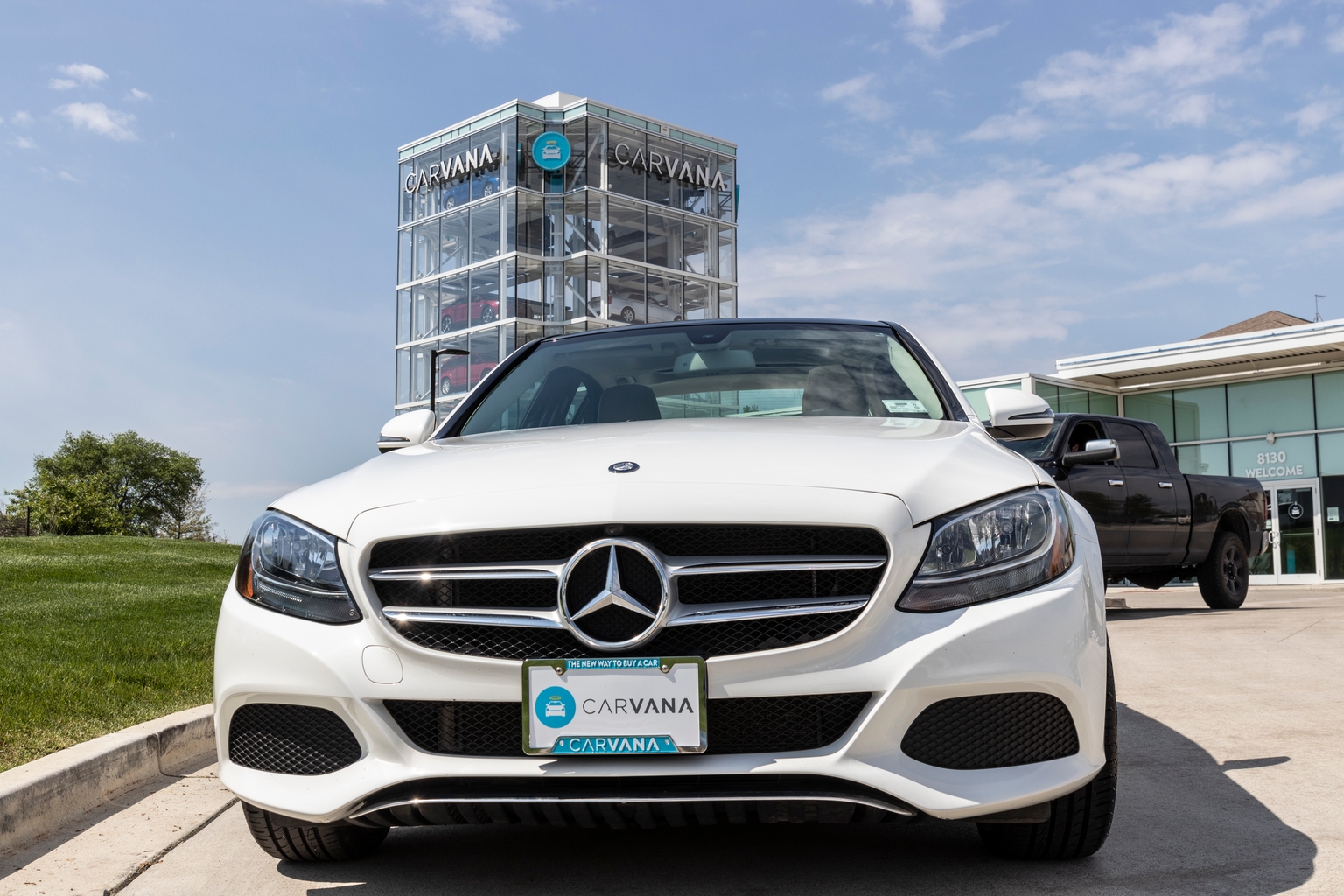
Used car prices just reached a two-year high. That single data point directly undermines the core assumption behind most bearish Carvana (CVNA) theses – that price normalization would squeeze its margins and slow inventory turnover. The naive interpretation is simple: higher prices are good for Carvana. The better market read exposes a more complex mechanism that determines whether this spike translates into sustainable earnings or a temporary short-covering rally.
What the Used Car Price Spike Actually Means for Carvana
The naive read focuses on the surface. Carvana buys and sells used cars. When the industry price floor rises, every unit in its inventory gains mark-to-market value. Revenue per vehicle goes up. Gross profit per unit should follow. Bears who shorted CVNA betting on a steady price decline now face a data point that says the opposite.
The better read requires looking at Carvana's funding structure and the quality of the price move. Used car prices at a two-year high could reflect supply constraints rather than demand strength. If the spike is driven by fewer trade-ins and tighter dealer inventories – not rising consumer willingness to pay – then Carvana still faces unit volume headwinds. Higher prices also raise the cost of acquiring inventory through its wholesale channel. Carvana funds its inventory with floating-rate debt. If the price spike is accompanied by higher financing costs, net margin on each car may not expand.
Exposure Mechanism: Inventory, Funding, and Margin
The event is straightforward: the Manheim Used Vehicle Value Index or an equivalent industry benchmark rose to a two-year high. That index had been declining or stabilizing through most of 2023 and early 2024. The inflection point changes the short-term narrative.
Carvana's exposure is direct. The company operates a high-volume, low-margin model where small swings in used car prices amplify earnings. In the most recent quarter, Carvana reported positive net income for the first time in several quarters, driven partly by stabilizing prices. A further rise increases the probability of sustained profitability. It also raises the bar for future quarters – any reversal from this level would hit earnings harder than a reversal from a lower base.
The assets most affected extend beyond CVNA stock. The broader used car retail sector, including Carvana peers, could see a sentiment shift. Short interest in CVNA remains elevated. A sustained price spike could force short covering, creating a feedback loop that pushes the stock higher independent of fundamentals.
Timeline, Confirmation, and Risk Reduction
The next decisive point is Carvana's Q3 2024 earnings report, expected in late October or early November. Investors should watch two specific metrics: gross profit per unit (GPU) and inventory days. If GPU expands while inventory turns remain stable, the price spike is translating into real pricing power. If GPU is flat or declining despite higher prices, the cost of inventory is offsetting the revenue gain.
What would reduce the risk of a bear case reversal:
- A sustained uptrend in used car prices through October.
- Falling consumer financing rates that support demand.
- A pickup in vehicle sales volumes that confirms organic demand.
What would make the bear case worse:
- A reversal in the Manheim Index back below prior levels before Q3 earnings.
- An increase in Carvana's cost of debt on the next interest payment.
- Rising repossessions that flood the used car market with supply.
Carvana's Positioning and AlphaScala Data
CVNA carries an Alpha Score of 29 out of 100, labeled Weak, in the Consumer Discretionary sector. The score reflects weak momentum and fundamental metrics relative to peers. A single used car price data point does not erase structural concerns about Carvana's debt load and long-term volume growth. It does introduce a near-term catalyst that could force shorts to cover, especially if the price spike persists through the next industry update.
The stock remains a high-beta, high-conviction trade. The price action around Q3 earnings will determine whether the bull case – higher prices, positive earnings, no new equity raise – overrides the balance-sheet risk.
The next decision point is the Manheim Index release in early October. If the index holds above current levels, Carvana bears lose a key data point supporting their thesis. If it rolls over, the stock will reset lower before earnings.
See the CVNA stock page for real-time data and the stock market analysis section for broader sector context.