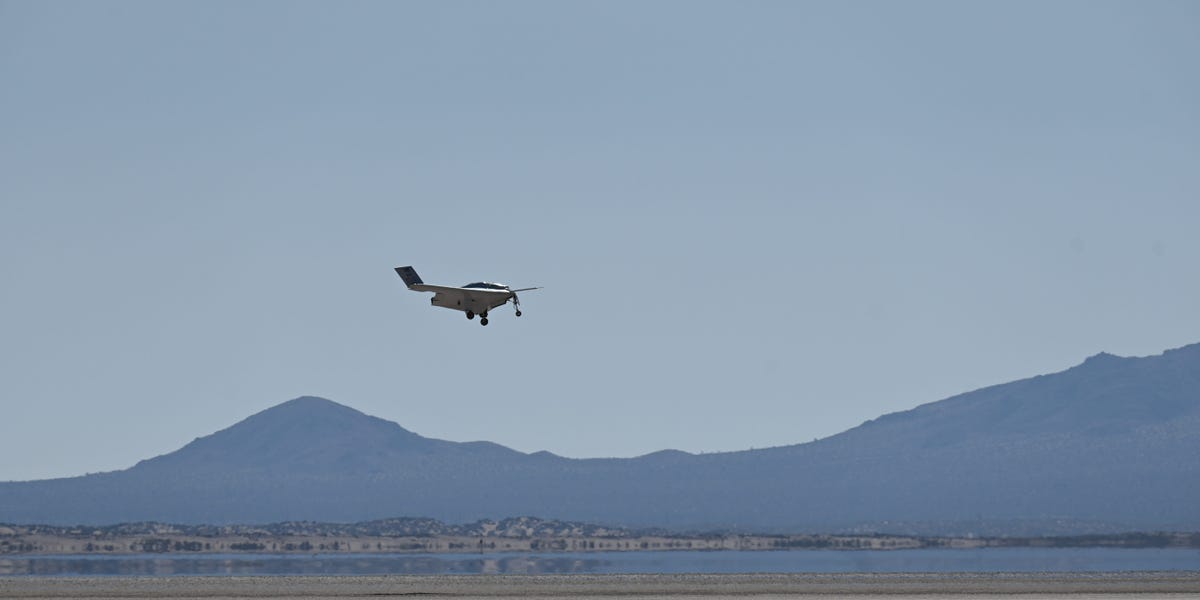
The US military successfully flight-tested the XRQ-73, an experimental hybrid-electric drone designed with a stealth profile reminiscent of the B-2 Spirit. Weighing 1,250 pounds, the aircraft serves as a testbed for next-generation propulsion systems that integrate electric motors with traditional jet fuel. This configuration aims to solve two persistent challenges in autonomous aerial surveillance: acoustic signature reduction and extended operational range.
Propulsion Efficiency and Acoustic Signatures
The shift toward hybrid-electric propulsion in the 1,250-pound class represents a departure from purely combustion-based engines. By utilizing electric power for specific flight phases, the XRQ-73 achieves a lower acoustic footprint, which is critical for stealth reconnaissance missions. The integration of jet fuel ensures the energy density required for longer loiter times, bridging the gap between short-range electric drones and long-endurance, fuel-heavy platforms.
For industrial contractors and defense-focused investors, this test validates the viability of hybrid architectures in medium-sized airframes. The ability to maintain stealth characteristics while increasing fuel efficiency directly impacts the cost-per-flight-hour metrics that govern long-term defense procurement cycles. As the military refines these systems, the supply chain for high-density batteries and specialized electric motors will likely see increased scrutiny and demand.
Industrial Implications for Defense Contractors
While the XRQ-73 is currently an experimental platform, its development trajectory highlights a broader pivot in the aerospace sector toward hybrid-electric systems. Companies operating in the industrials space, such as Firefly Aerospace Inc. (FLY), are navigating a complex landscape where traditional propulsion methods are increasingly supplemented by advanced electrical components. According to AlphaScala data, FLY currently holds an Alpha Score of 24/100, reflecting a weak outlook within the industrials sector as it balances innovation cycles against operational scaling. You can track further developments on the FLY stock page.
The shift toward hybrid-electric stealth technology suggests that future defense contracts will prioritize modular propulsion systems that can adapt to varying mission profiles. This move away from monolithic, single-source propulsion systems creates new entry points for component manufacturers specializing in power management and thermal regulation. Investors should monitor how these experimental flight tests translate into formal Requests for Proposals (RFPs) for full-scale production models.
The Next Decision Point
The primary catalyst to watch is the transition from flight-test validation to operational integration. The military's ability to scale the XRQ-73 design will depend on the reliability of the hybrid interface under combat-simulated conditions. Future disclosures regarding the drone's endurance metrics and payload capacity will determine whether this technology remains a niche research project or becomes a standard component of the next-generation stealth fleet. Watch for subsequent updates on propulsion efficiency benchmarks, as these figures will serve as the primary indicator for potential defense budget allocations in the coming fiscal cycles.