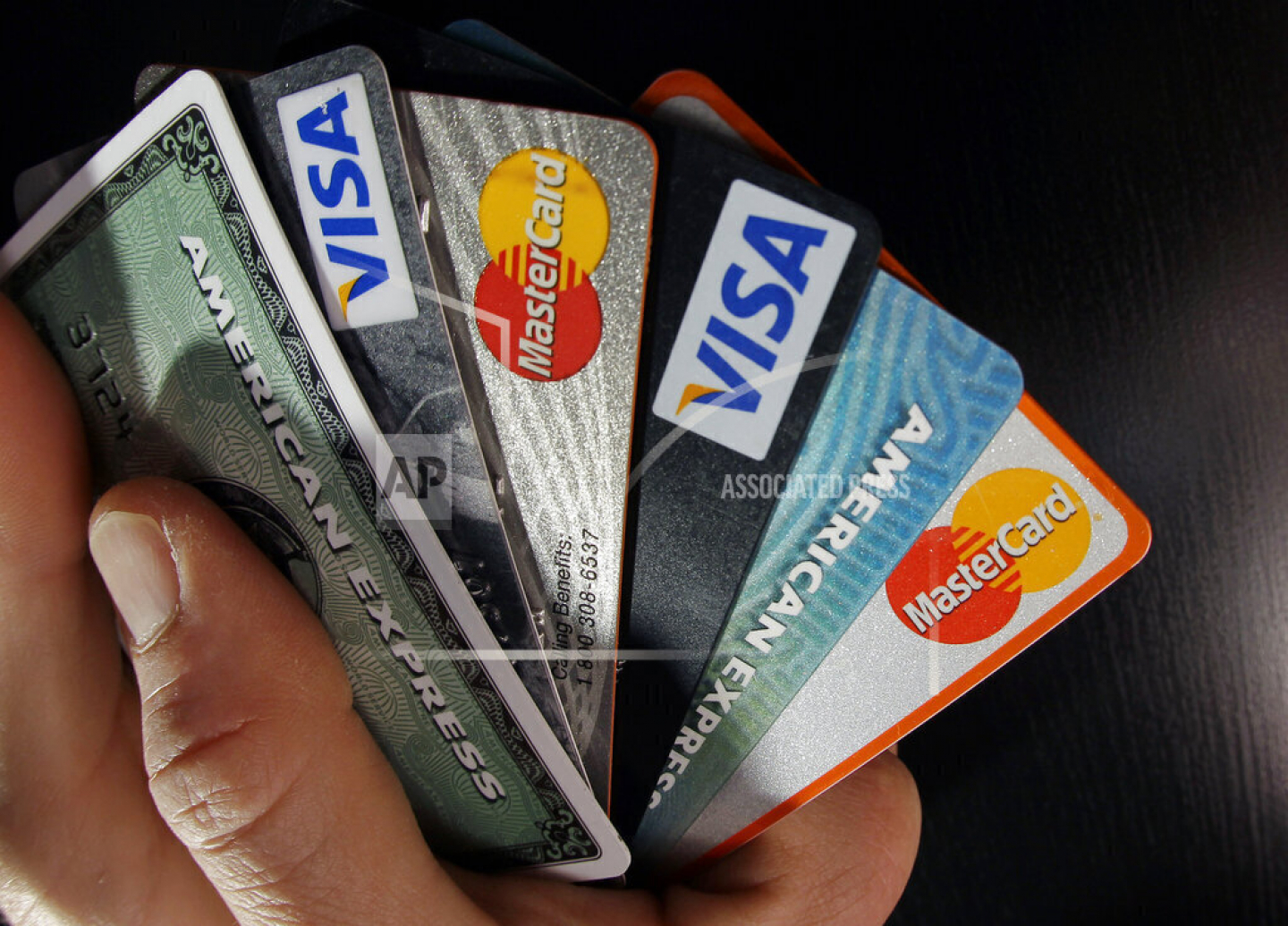
The Credit Card Competition Act (CCCA), currently gaining momentum in the Senate under the sponsorship of Senators Roger Marshall and Dick Durbin, represents a significant legislative shift that threatens the viability of airline travel rewards programs. While proponents frame the bill as a necessary intervention to increase competition and reduce swipe fees, the underlying mechanism suggests a direct erosion of the financial incentives that fuel the travel industry. For the 31 million Americans holding airline-branded credit cards, the legislation creates a tangible risk that the points-based economy, which accounted for more than half of all frequent flyer miles issued in 2023, could face a structural contraction.
The Mechanism of Revenue Contraction
The core of the CCCA involves mandating that large banks with over $100 billion in assets enable at least two unaffiliated card networks, specifically requiring an alternative to the current Visa and Mastercard dominance. By forcing banks to open their processing infrastructure to third-party networks, the legislation aims to drive down the interchange fees—or swipe fees—that merchants pay. However, these fees are the primary engine for the rewards programs that banks currently offer. When banks experience a reduction in net revenue per transaction, the economic justification for offering high-value travel perks, lounge access, and point multipliers evaporates. Banks are unlikely to absorb these losses; instead, they will likely shift the cost burden onto consumers through increased interest rates, higher late fees, or the outright elimination of rewards programs that have become essential for millions of travelers.
Historical Precedent and Security Risks
The 2010 Durbin Amendment provides a cautionary tale for the current legislative push. When similar mandates were imposed on debit cards, the industry saw a 60 percent increase in debit fraud. The CCCA risks repeating this pattern by forcing processing through potentially less secure, third-party networks. Beyond the security concerns, the argument that the current market is a "duopoly" lacks nuance. While Visa and Mastercard hold 42 percent and 27 percent of the market respectively, their dominance is not static; Visa’s market share has been in a documented decline. Consumers already possess a wide array of alternatives, including American Express, Discover, debit options, and digital payment systems like Zelle. The legislative focus on forcing network competition ignores the existing diversity of payment methods available to the average consumer.
Credit Access and Institutional Exposure
Beyond the immediate impact on rewards, the CCCA threatens to restrict credit access for higher-risk demographics. As bank margins compress due to the mandated fee caps, the risk-adjusted return on lending to sub-prime or thin-file consumers becomes less attractive. This contraction in credit availability is a secondary, often overlooked consequence of regulatory intervention in the banking sector. When the government forces a change in the revenue model for large financial institutions, the capital allocation process inevitably tightens. This shift is particularly relevant when evaluating the broader industrial sector, where companies like FLY stock page operate with an Alpha Score of 28/100, reflecting the inherent volatility in capital-intensive industries that rely on stable consumer spending patterns. Similarly, WELL stock page, with an Alpha Score of 52/100, highlights the mixed sentiment surrounding real estate and broader economic exposure to consumer-facing credit environments.
The Valuation of Consumer Perks
For the frequent traveler, the value proposition of airline credit cards is tied directly to the ability to offset rising fuel costs—which are currently under pressure due to geopolitical tensions—with earned points. Nearly 16 million domestic air visitor trips were booked using these points in 2023. If the CCCA passes, the cost of travel will effectively rise for the average consumer, as the subsidy provided by swipe-fee-funded rewards disappears. The legislation is a classic example of regulatory intervention that prioritizes political optics over the complex, interconnected reality of the banking and travel ecosystems. Investors and consumers alike should monitor whether this bill gains enough traction to force a fundamental change in how banks price their credit products. Should the bill fail, the status quo for travel rewards remains intact; should it pass, the immediate consequence will be a rapid devaluation of points and a tightening of credit terms across the board. The market is currently pricing in the uncertainty of this legislative outcome, but the long-term risk to consumer-facing financial products remains under-appreciated by those focused solely on the headline goal of lower swipe fees.