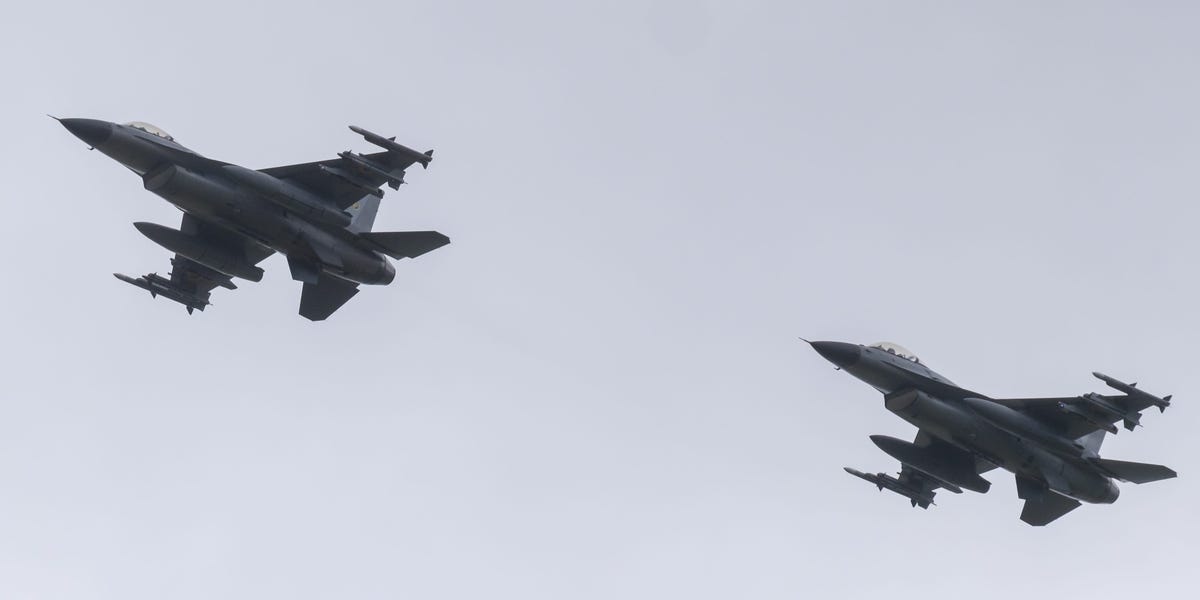
Ukrainian pilots are currently undergoing specialized F-16 training that prioritizes navigation without GPS reliance, a tactical shift necessitated by the pervasive electronic warfare environment in the ongoing conflict. This training methodology acknowledges that modern air combat over contested airspace is increasingly defined by the degradation of satellite-based guidance systems. By mastering traditional dead reckoning and inertial navigation techniques, pilots aim to maintain operational effectiveness even when Russian jamming renders standard GPS signals unreliable or completely unavailable.
For the defense industrial base, this development underscores a broader pivot toward resilient, non-networked combat capabilities. The reliance on GPS has long been a cornerstone of Western air superiority, but the combat reality in Eastern Europe demonstrates that high-tech platforms must function in degraded environments to remain viable. This shift is not merely a training adjustment; it represents a fundamental change in how air forces must prepare for peer-level conflict where signal dominance is no longer guaranteed. The ability to execute missions without satellite support is becoming a critical benchmark for pilot readiness and platform survivability.
This tactical evolution carries significant implications for the aerospace sector, particularly for companies involved in the production and maintenance of advanced fighter platforms. As military procurement requirements evolve to favor systems with robust, multi-modal navigation suites, the demand for inertial navigation units and anti-jamming technologies will likely intensify. Investors tracking the defense sector should evaluate how contractors are integrating these hardened systems into existing and future airframes. The focus is shifting from pure performance metrics to operational durability in electronic warfare environments.
Within the broader industrials space, companies like Firefly Aerospace Inc. (FLY) face a complex landscape where satellite-reliant infrastructure is increasingly vulnerable. With an Alpha Score of 24/100, the current market sentiment for FLY reflects the broader challenges facing firms operating in sectors sensitive to shifts in defense and aerospace technology standards. For more context on sector performance, see our stock market analysis and the FLY stock page.
The next decision point for this narrative lies in the upcoming procurement cycles for NATO-aligned air forces. As these nations observe the performance of F-16s in GPS-denied environments, they will likely adjust their requirements for future fighter jet upgrades and new platform acquisitions. The transition from GPS-centric operations to hardened, multi-sensor navigation will serve as a primary catalyst for defense spending in the coming fiscal years. Observers should monitor whether upcoming defense contracts emphasize legacy navigation redundancy as a mandatory requirement for all future air combat systems.