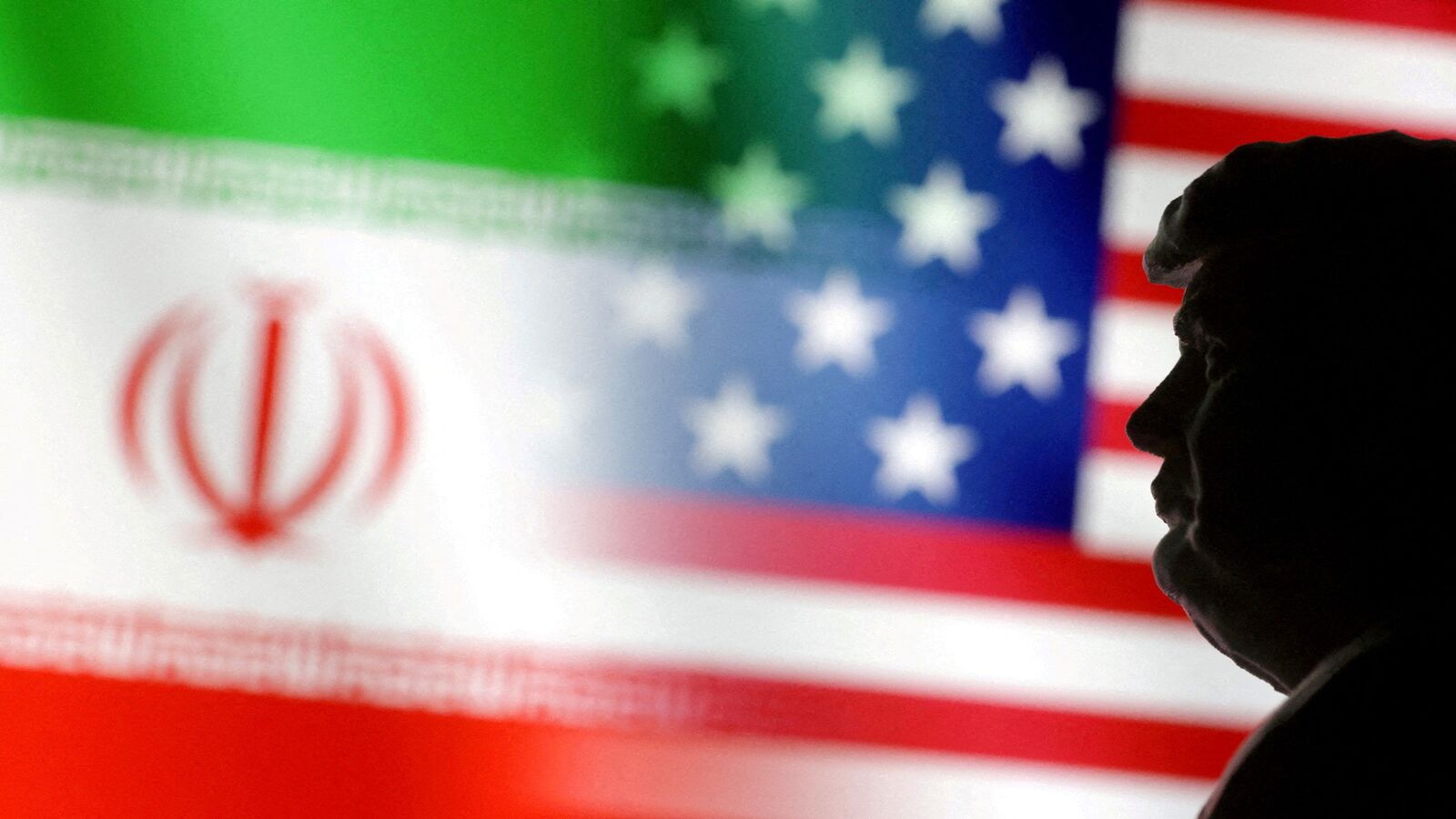
The prospect of a 14-point memorandum of understanding between the United States and Iran represents a significant shift in the geopolitical risk premium currently embedded in global energy markets. According to reports citing US officials, the proposed agreement aims to conclude the conflict in West Asia that has persisted since February 28. While negotiations remain fluid and no final terms have been ratified, the framework involves a reciprocal exchange: Iran would commit to a moratorium on nuclear enrichment, while the United States would move to lift existing sanctions and release billions of dollars in frozen assets. Furthermore, the deal includes provisions to remove restrictions on transit through the Strait of Hormuz, a critical chokepoint for global oil supply.
Mechanism of the Proposed Strait of Hormuz De-escalation
The Strait of Hormuz is the world's most important oil transit chokepoint, with a significant portion of global petroleum consumption passing through its narrow waters daily. Any credible signal that transit restrictions will be lifted acts as a direct supply-side catalyst. For energy-heavy portfolios, the primary mechanism here is the potential for a rapid compression of the risk premium that has buoyed crude prices throughout the duration of the conflict. If the 14-point memorandum moves toward implementation, the market will likely price in a higher probability of consistent, unencumbered flow, which historically exerts downward pressure on energy futures and related equities.
Sector Read-Through and Asset Sensitivity
Investors should evaluate the secondary effects of this de-escalation on sectors beyond pure-play energy. Real estate investment trusts (REITs) with exposure to industrial logistics or infrastructure often exhibit sensitivity to changes in global trade volume and energy costs. For instance, Welltower Inc. currently carries an Alpha Score of 52/100, while KIMCO Realty Corp holds an Alpha Score of 55/100. While these entities are not direct energy producers, their operational costs and the broader macroeconomic environment are influenced by the stability of the West Asian energy corridor. A sustained reduction in regional tensions could alter the cost-of-capital assumptions for these REITs, particularly if the deal leads to a broader cooling of inflationary pressures tied to energy prices.
Valuation and Execution Risks
Market participants must distinguish between the headline risk of a potential deal and the reality of implementation. The report notes that the US is awaiting responses from Iranian officials on key points within a two-day window. This short-term timeline suggests that volatility in energy-linked assets will remain elevated until a definitive confirmation of the agreement is released. The primary risk for those positioned for a price drop is the potential for a breakdown in the negotiation process, which would likely result in a sharp reversal of any gains made on the expectation of supply normalization.
Execution risk is heightened by the involvement of non-traditional diplomatic channels, specifically the negotiations involving Steve Witkoff and Jared Kushner. This approach deviates from standard state-to-state diplomatic protocols, adding a layer of uncertainty regarding the durability of any commitment made. For a trader, the confirmation of the deal would be signaled by a formal, public announcement of the 14-point memorandum, whereas a failure to meet the two-day response deadline would serve as an immediate signal to reassess long-term energy exposure.
Strategic Positioning Amid Diplomatic Uncertainty
When evaluating the impact of US-Iran Diplomatic Memo Signals Potential Regional De-escalation, it is essential to look past the initial headline volatility. The market is currently pricing in a binary outcome: either a return to relative stability in the Strait of Hormuz or a continuation of the status quo. If the deal proceeds, the release of frozen Iranian funds could also stimulate local economic activity, though the primary global market impact remains the potential for increased oil supply liquidity. Conversely, if the negotiations stall, the market will likely revert to its previous risk-off posture, with energy prices reflecting the continued threat of supply disruption.
Investors should monitor the specific language regarding the lifting of sanctions, as this will dictate the speed at which Iranian oil could theoretically re-enter the global market. A phased lifting of sanctions would have a muted, long-term impact on supply, whereas an immediate, comprehensive removal would likely trigger a more violent, short-term price reaction. For those tracking broader stock market analysis, the correlation between geopolitical stability in the Middle East and equity market performance remains a critical, albeit often overlooked, variable in assessing systemic risk.