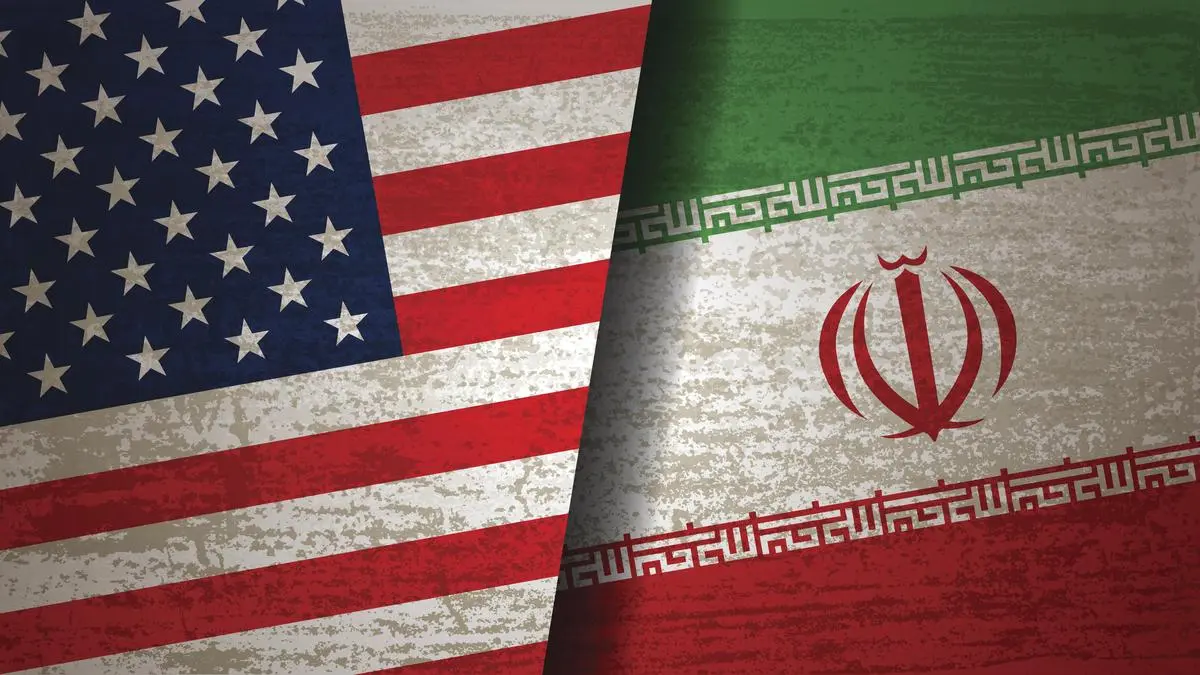
A reported US-Iran memorandum of understanding aims to end hostilities and set a nuclear framework, potentially reducing regional geopolitical risk premiums.
The White House is reportedly nearing a one-page memorandum of understanding with Iran aimed at ending active hostilities and establishing a formal framework for future nuclear negotiations. This development, attributed to two U.S. officials, suggests a shift toward a structured diplomatic channel intended to stabilize regional tensions that have historically disrupted energy markets and geopolitical risk premiums.
For traders, the primary significance of this potential memorandum lies in the reduction of tail risk associated with Middle Eastern supply chains. Markets often price in a persistent risk premium when diplomatic channels between Washington and Tehran remain closed or hostile. A formal agreement, even one as limited as a single-page document, serves as a de-escalation signal that can compress volatility in crude oil benchmarks. If the memorandum successfully transitions into a broader nuclear framework, the potential for a gradual easing of sanctions could eventually alter the supply-side outlook for global energy markets.
However, the market reaction to such reports requires skepticism regarding execution risk. Diplomatic efforts between the U.S. and Iran have faced repeated cycles of optimism followed by stagnation. A memorandum of understanding is not a treaty, and its effectiveness depends entirely on the willingness of both parties to adhere to the framework during the subsequent, more complex nuclear negotiations. Traders should distinguish between the initial sentiment boost provided by the news and the actual, measurable changes in regional security or sanctions enforcement.
Beyond the immediate headlines, the focus shifts to how this framework interacts with existing regional alliances and domestic political constraints in both countries. The move suggests a preference for incrementalism over comprehensive, high-stakes deals that have historically failed to gain traction. If the U.S. and Iran can maintain this channel, it provides a mechanism for managing incidents that might otherwise spiral into broader conflict.
For those monitoring stock market analysis, the immediate impact is likely to be felt in sectors sensitive to geopolitical volatility, particularly energy and defense. A sustained de-escalation could lead to a repricing of risk assets that have been held down by the threat of regional war. Conversely, any sign that the memorandum is failing to gain traction or is being ignored on the ground will likely trigger a swift reversal in sentiment. The next concrete marker for this development will be official confirmation from either the White House or Iranian state media, followed by any observable changes in regional military posture or maritime security protocols. Until then, the memorandum remains a speculative catalyst rather than a structural shift in the regional security architecture.
AI-drafted from named sources and checked against AlphaScala publishing rules before release. Direct quotes must match source text, low-information tables are removed, and thinner or higher-risk stories can be held for manual review.