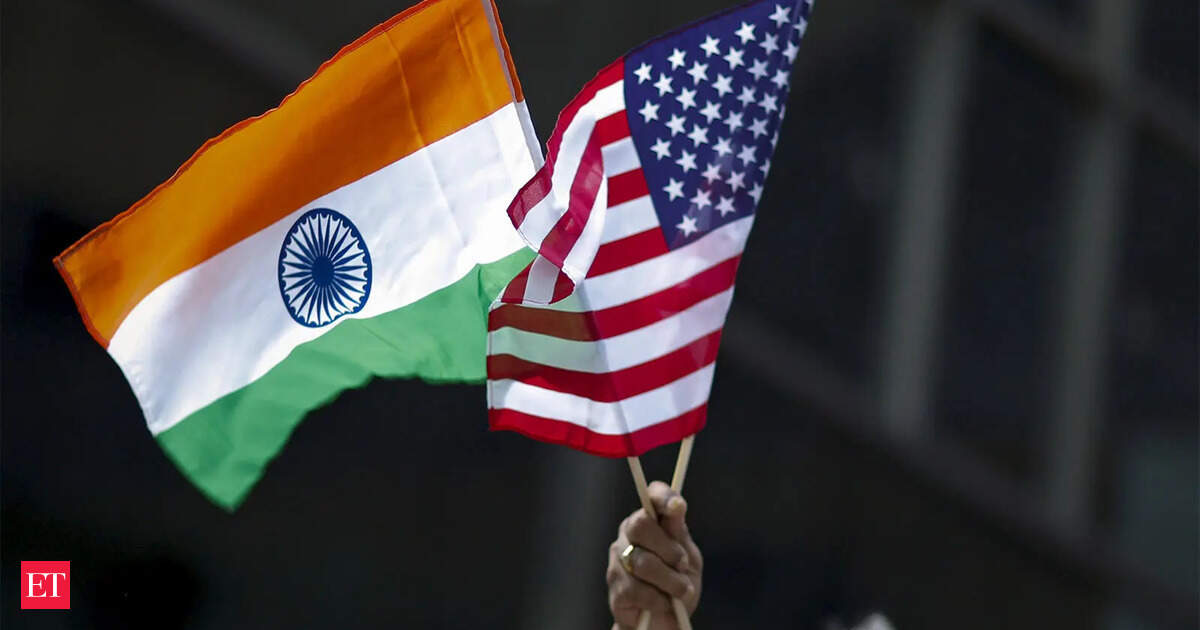
The United States and India are approaching the conclusion of a long-standing trade negotiation, with Deputy Secretary of State Christopher Landau confirming that both nations are very close to a final agreement. This development follows months of intensive bilateral discussions aimed at resolving outstanding economic frictions. While the specifics of the final hurdle remain undisclosed, the diplomatic signaling suggests that the primary structural disagreements have been largely navigated.
For market participants, the significance of this potential deal lies in the shifting landscape of global supply chains and manufacturing diversification. India has positioned itself as a critical alternative to traditional manufacturing hubs, and a formal trade agreement would serve as a catalyst for increased capital investment and reduced regulatory friction for multinational corporations. The transition from negotiation to implementation would likely lower the cost of doing business for firms currently navigating complex tariff environments between the two nations.
Navigating the Bilateral Trade Mechanism
Trade agreements between the US and India have historically faced challenges related to market access, intellectual property protections, and agricultural subsidies. The mention of a last hurdle indicates that the current focus is likely on the final reconciliation of these specific sectoral protections. When two major economies reach this stage of negotiations, the market often prices in the expected reduction in trade barriers before the official signing occurs. Investors should look for clarity on whether the final terms address digital trade and data localization, as these areas have been persistent points of contention.
Impact on Cross-Border Capital Flows
Beyond the immediate trade implications, the finalization of this deal would signal a strengthening of the strategic economic partnership between Washington and New Delhi. This alignment is increasingly relevant for companies looking to hedge against geopolitical volatility. A successful conclusion would likely provide a tailwind for sectors involved in technology, defense, and pharmaceutical manufacturing, where both countries have expressed mutual interest in deepening integration.
For those performing stock market analysis, the key is to differentiate between the headline optimism and the actual economic impact on corporate margins. A deal that simplifies customs procedures or harmonizes standards will have a more immediate effect on bottom lines than a broad, symbolic agreement. The next decision point for the market will be the official announcement of the final terms, which will provide the necessary detail to assess which specific industries stand to benefit from reduced tariffs or expanded market access. Until the final hurdle is cleared, the risk of a stall remains, making it prudent to wait for the formal signing before adjusting long-term exposure to companies with heavy reliance on US-India trade corridors.