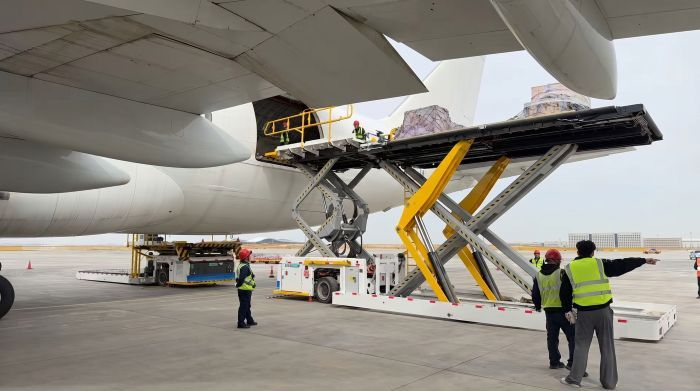
Global air freight capacity has returned to pre-shock levels, signaling a stabilization in the logistics sector even as geopolitical tensions persist. While the initial volatility that defined the post-pandemic supply chain has subsided, the current market environment remains sensitive to fuel price fluctuations and shifting trade routes. Data from Xeneta indicates that international cargo routes have avoided significant disruptions from jet fuel shortages, providing a baseline of operational consistency for global shippers.
Normalization of Air Freight Capacity
The recovery of cargo capacity to pre-shock levels suggests that the acute supply constraints that previously inflated shipping costs have largely evaporated. For logistics managers and commodity traders, this normalization shifts the focus from supply scarcity to demand-side variables. When capacity is abundant, the pricing power of air freight carriers diminishes, forcing a reliance on volume growth rather than margin expansion through surcharges. This environment favors industries that require rapid inventory turnover, though it leaves carriers vulnerable to any sudden spikes in operational overhead.
Despite the stability in capacity, the underlying cost of fuel remains a persistent variable for the transportation sector. As seen in Air India Cuts International Capacity as Jet Fuel Costs Surge, regional imbalances in fuel availability can still force localized capacity contractions. Traders should distinguish between global aggregate capacity, which is currently healthy, and specific route-based risks that may arise if geopolitical conflicts restrict regional refinery output or pipeline access.
Port Infrastructure and Heavy Vessel Readiness
Parallel to the air freight recovery, the Georgia Ports Authority is taking a proactive approach to maritime logistics by funding its own study to prepare the Port of Savannah for larger, deeper-draft vessels. This move reflects a broader strategic pivot to accommodate the increasing size of modern container ships. By controlling the scope and timeline of the dredging and widening study, the authority aims to mitigate the bottleneck risks that have historically plagued major shipping hubs during periods of high throughput.
For those tracking the broader commodities analysis, the ability of ports to handle larger vessels directly impacts the velocity of raw material and finished good distribution. Efficient port throughput reduces the time capital is tied up in transit, effectively lowering the cost of carry for commodity-heavy supply chains. If the Savannah project proceeds, it will likely increase the port's competitive advantage in the Southeast, potentially drawing volume away from less-equipped regional competitors.
The next decision point for market participants involves monitoring the capital expenditure requirements for the Savannah project and how these infrastructure upgrades align with shifting global trade volumes. Any delay in the dredging study could signal a bottleneck in future capacity expansion, while a successful implementation would likely lower long-term logistics costs for firms reliant on the Atlantic corridor. Traders should watch for the release of the study's findings to gauge the projected timeline for physical port modifications.