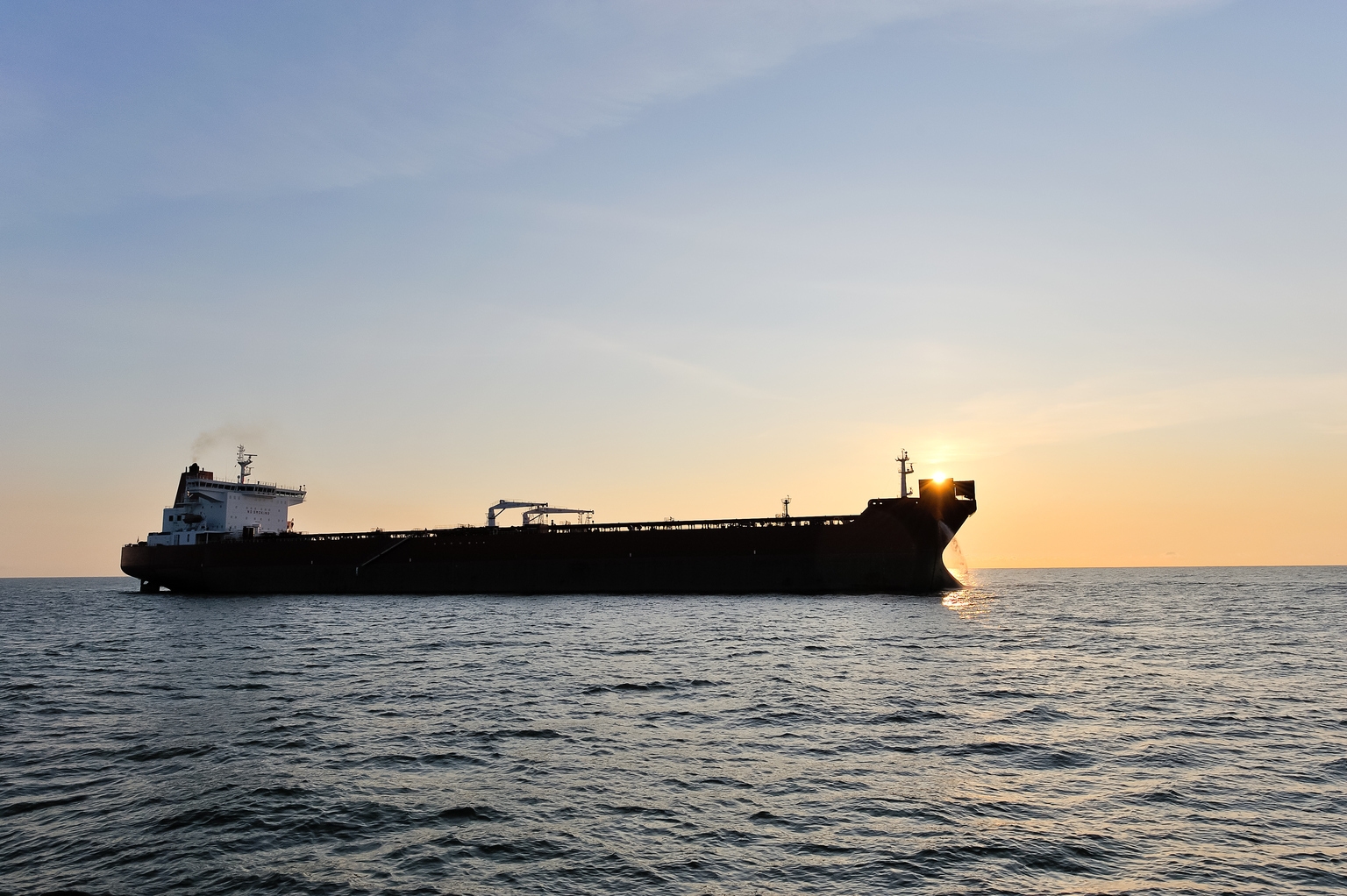
An immediate supply cliff is gone. Iran disruption risk and OPEC+ cuts keep the market bid. The next waiver expiry is the real catalyst.
The US Treasury extended the general license that allows financial institutions to process transactions related to Russian crude oil and petroleum products. The waiver, first issued after the initial sanctions wave, keeps Russian barrels flowing through designated intermediaries. Without the extension, buyers would have faced a compliance cutoff that risked removing several hundred thousand barrels per day of supply from a market already pricing a tight balance.
The license does not lift sanctions on Russian oil. It allows payment processing and transit approvals to continue for transactions that would otherwise violate US restrictions. This covers vessels carrying Russian crude to buyers in India, China, and Turkey – the primary destinations for Moscow's exports since the war began.
The extension matters because the previous waiver was set to expire. A non-renewal would have forced ships already in transit to find alternative payment channels or dump cargoes at a discount, creating a sudden surge in available barrels for a few weeks followed by a sharp drop as new loads struggled to find financing. The announcement removes that immediate cliff. The market still faces the larger variable of Iranian export risk. The waiver does not address the potential for a blockade or stricter US sanctions enforcement on Iran.
The oil market has been trading in wide ranges, highly sensitive to Iran-related headlines. Supply disruptions persist from multiple sources. The extended Russian waiver does nothing to counter the potential loss of Iranian exports if the current diplomatic standoff escalates. Brent crude has already priced a risk premium for that scenario. The Russian extension is unlikely to unwind it.
OPEC+ production policy adds another layer. The group has maintained voluntary cuts that have drained global inventories over the past six months. Even if Russian flows remain steady, the combination of OPEC+ discipline and potential Iran disruption leaves the floor under prices. The waiver extension effectively removes one downside risk. It does not create an upside cap.
The key date is the next waiver expiry. If the US signals a shorter renewal window or adds compliance conditions, the market will interpret that as a step toward full enforcement. That would increase the risk premium on Russian supply and likely push crude oil higher. Conversely, a long-term renewal or a softening of the price cap regime would be bearish, removing a source of uncertainty that has supported the bid.
Traders should also watch Russian export volumes over the next two weeks. If shipments accelerate as buyers try to lock in deals before another potential cutoff, the physical market could see a temporary surplus. The better read is that the waiver buys time, not stability. The structural supply deficit from OPEC+ cuts and inventory draws remains the dominant force. The extension delays a tightening that was going to happen anyway – it does not cancel it.
For further context on how sanctions dynamics interact with broader commodity flows, see the crude oil profile and commodities analysis.
Prepared with AlphaScala research tooling and grounded in primary market data: live prices, fundamentals, SEC filings, hedge-fund holdings, and insider activity. Each story is checked against AlphaScala publishing rules before release. Educational coverage, not personalized advice.