Commodities● Neutral
Why US Oil Sanctions Waiver Masks a Deeper Supply Problem
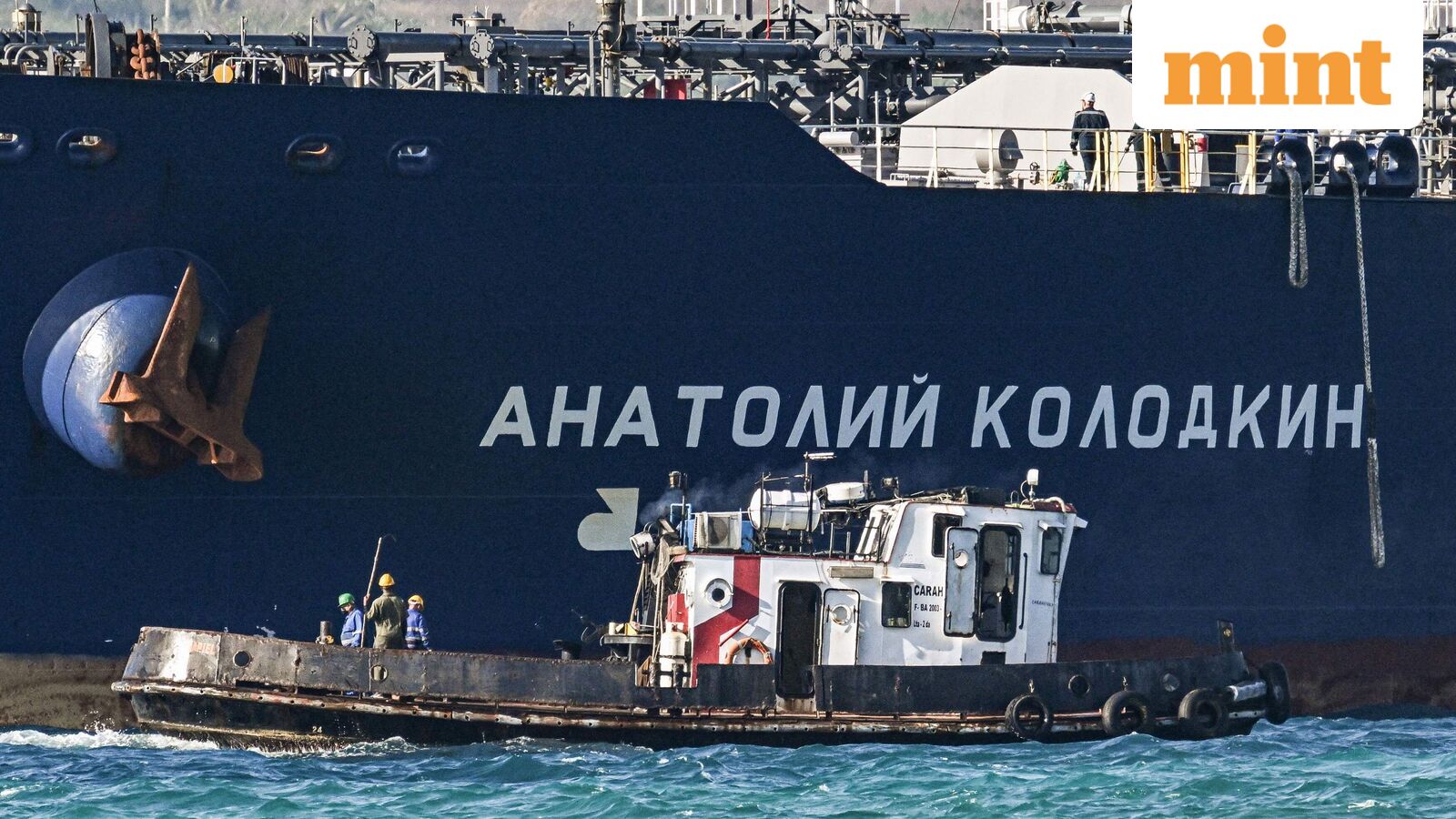
India's oil imports from Russia continue despite US sanctions. The next waiver expiration in 30 days will test US tolerance as petrol prices rise and Hormuz stays shut.
Continue with
The United States has extended its waiver on sanctions covering purchases of Russian crude oil by 30 days, days after the previous waiver expired. The extension reduces near-term uncertainty for India's oil imports from Russia. It does not remove the structural problem: sanctions that constrain global supply when the Strait of Hormuz is shut create a self-defeating cycle.
India's petroleum ministry joint secretary Sujata Sharma stated on Monday that the country has been purchasing Russian oil before, during, and after the waiver period, guided solely by commercial considerations. India's imports from Russia dropped initially after sanctions were imposed. The West Asia war prompted Washington to suspend enforcement to keep global supplies flowing. The latest extension confirms that the US sees no alternative to allowing Russian crude into the market.
India's Oil Import Exposure and the Waiver Cycle
India's role as a major buyer of Russian crude creates a structural exposure for global oil markets. If the US were to tighten sanctions again, India would face a choice between defying Washington or losing access to discounted barrels. Either outcome would tighten global supply further, pushing up prices for all buyers. The 30-day waiver cycle means this risk resets every month. The next decision point tests whether the US is willing to accept higher prices or enforce tighter restrictions.
Strait of Hormuz and the Global Supply Gap
The Strait of Hormuz remains shut, removing a significant chunk of Middle Eastern supply from the market. That closure makes every barrel from Russian crude oil more valuable to countries like India. The US waiver effectively acknowledges that blocking Russian oil would create a supply gap that no other producer can fill quickly. The combination of a closed Hormuz and active sanctions creates a double supply shock.