The Pause That Changed Nothing – Hormuz Blockade Remains
Price Relief vs. Physical Reality
President Donald Trump called off a planned attack on Iran. Brent crude futures for July delivery fell more than 2% to $109.15 per barrel on Tuesday. West Texas Intermediate dropped 1.27% to $107.28. The headlines looked like a risk-off move. The underlying supply constraint did not change.
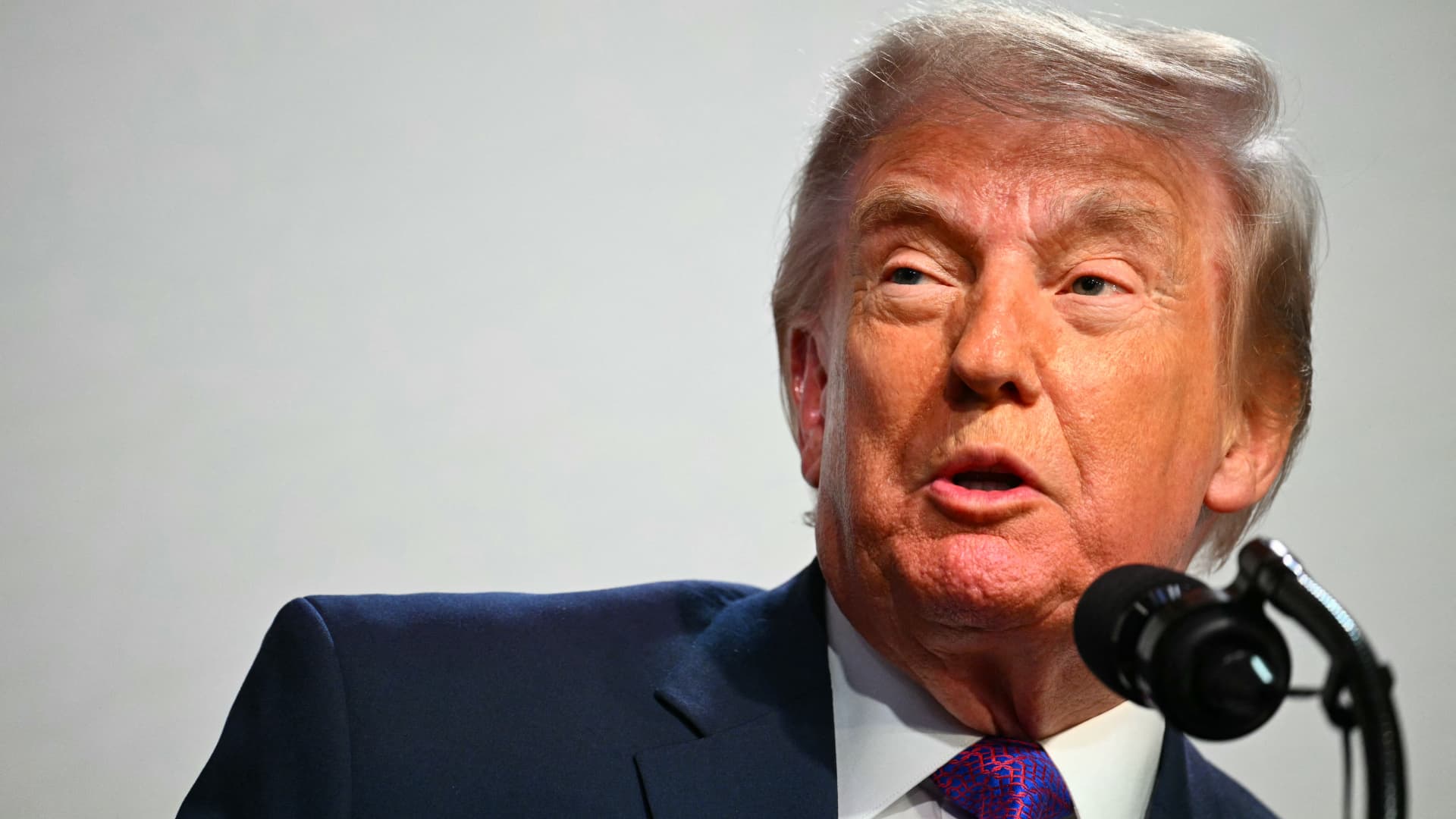
Trump said he postponed a "scheduled attack of Iran" at the request of leaders from Saudi Arabia, the UAE, and Qatar. He simultaneously threatened a "large scale assault of Iran on a moment's notice." The strike pause removes one layer of conflict premium. It does not touch the Strait of Hormuz blockade that Iran has maintained. That blockade is the mechanism withdrawing physical barrels from the market. A military pause does not reopen the waterway.
Why the Strike Pause Is Not a Supply Resolution
The Strait of Hormuz carries about one-fifth of global oil supply. A sustained blockade removes that volume regardless of whether a missile is fired. Commodity analysts have warned that European oil shortages could emerge within weeks. The inventories are already draining. Global stockpiles may not recover until 2027, according to the same strategists. The price drop was a relief rally, not a demand change. The physical disruption remains intact.
European Jet Fuel "Armageddon" – Ryanair Supply Warning
The Aviation Fuel Chain Stress
Airlines are the most visible downstream victims of the blockade. Ryanair's chief financial officer warned of a potential "armageddon" jet fuel crunch. The CFO said weaker European carriers may not survive. That statement reflects a supply chain under physical stress. Jet fuel production depends on crude throughput at refineries that process Hormuz crude grades. With those grades blocked, the aviation sector faces a direct mismatch between available fuel and operating demand.
Practical rule: When a carrier's CFO uses the term "armageddon" for jet fuel, the supply chain has moved from price volatility into structural risk.
2027 Inventory Recovery Timeline
Commodity strategists now expect that global stockpiles will not return to normal levels until 2027. That timeline assumes no further escalation. If the blockade persists into the second half, the drawdown accelerates and the recovery horizon extends. The current storage and forward curves likely underprice the duration of the shortage. Traders should watch weekly EIA inventory data for crude and distillates in Europe and Asia. A consistent draw below 5-year averages would confirm the strategist timeline.
Bond Market Repricing – 10-Year Yields at Year Highs
Inflation Feedback from Oil
Higher energy costs feed directly into inflation expectations. The 10-year U.S. Treasury yield reached its highest level in a year on Monday. Japan's 30-year government bond yield rose to a record high. This is a mechanical response to a physical supply constraint. Higher headline inflation forces bond markets to reprice interest rate expectations. The sell-off is not a speculative rotation. It follows from a lower physical oil supply passing through to consumer prices.
Warsh Fed Swearing-In Timing
The Trump-nominated Kevin Warsh will be sworn in as Fed chair on Friday, according to a White House official. The timing places the central bank in a difficult position. Oil-driven inflation argues for tighter policy. A potential recession from the supply shock argues for patience. The bond market is already voting for higher yields before a decision is made. The outcome for traders: long-end duration risk remains elevated until the blockade lifts or the Fed signals its stance clearly.
Equity and Tech Sell-Off – Secondary Pressure
S&P 500 Back-to-Back Losses
The S&P 500 posted consecutive losses amid a tech sector sell-off. Meta is expected to begin layoffs this week, reflecting AI investment and efficiency drives. The broader macro backdrop – elevated oil, rising bond yields, and geopolitical uncertainty – creates a headwind for growth stocks. The correlation is not causal in a single session. Over a multi-week horizon, higher oil and higher rates compress equity valuations across the board.
Meta and Market Noise
Separately, Elon Musk lost his court battle against OpenAI and Sam Altman over claims they violated an agreement to run the venture as a charitable nonprofit. A federal jury ruled Musk waited too long to sue. His attorneys said they would appeal. This is a corporate governance story, not a commodity story. It adds to the noise in a market already struggling for direction. The primary driver for equities near term remains the oil supply situation and bond yields.
Risk Scenarios – What Lifts the Blockade, What Worsens It
The Blockade Lift as Primary Catalyst
The single most effective action would be Iran lifting the Strait of Hormuz blockade. That would restore the normal flow of crude and refined products. Inventory pressure would ease immediately, and stockpile recovery could begin. Diplomatic engagement by the Gulf allies – the same leaders who asked Trump to pause the strike – may offer the most realistic path. The market would respond with a rapid decline in crude prices and a flattening of the backwardation curve. Traders should watch for any official statement from Iran about vessel passage.
Escalation Scenarios
If Iran escalates to a complete closure of the Strait, the supply loss could double. The market would see an immediate Brent spike above $130. European refineries would face forced shutdowns. Aviation fuel rationing would become a realistic scenario. If military escalation returns – actual airstrikes or retaliatory attacks on oil infrastructure – the crisis moves from a supply disruption to a conflict premium that is harder to hedge. The blockade morphing into a broader war is the tail risk keeping insurance and shipping costs elevated even during pauses in visible hostilities.
Next Catalyst – Gulf Diplomacy and Vessel Passage
The market is watching for news from Gulf intermediaries. A signal that Iran will allow vessel passage in exchange for sanctions relief or other concessions would confirm the current oil weakness. That outcome would allow bond yields to stabilize. A failure to reach agreement would reinforce the blockade. Brent would likely move back above $115, and the 10-year Treasury yield would push higher. Either way, the data to watch is shipping transit counts through Hormuz, not the strike-or-not headlines. The blockade is the mechanism. Until it lifts, the short-term price relief is just a pause.
For more on how oil markets have traded through previous Iran standoffs, see our earlier analysis: Iran Pause Fails to Shift Oil, Gold as ASX Faces Overreaction Call and Oil Drops After Trump Calls Off Iran Strike, Gulf Allies Intervene. For the broader commodities landscape, visit our commodities analysis and crude oil profile pages.