Commodities● Neutral
Miramar Auger Drilling at Joy Helen: First Test Since 1964
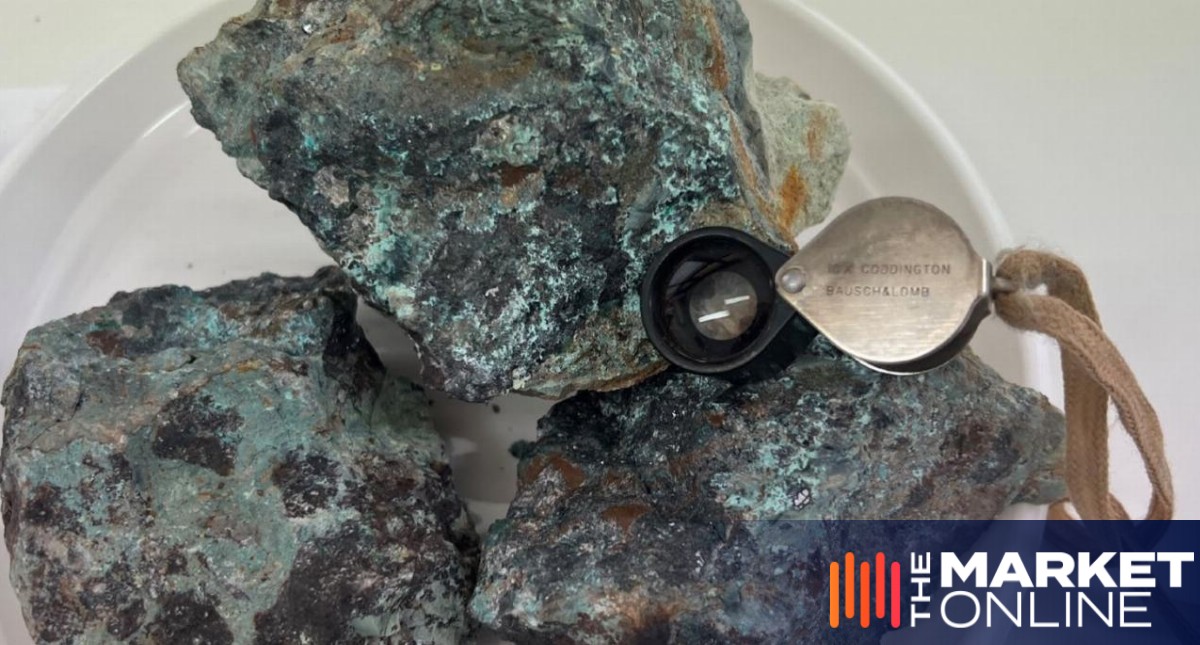
Miramar Resources (ASX:M2R) starts 100-hole auger drill at Joy Helen, first test since 1964. Historical grades up to 35% lead set high bar for SEDEX-style discovery.
Continue with
Miramar Resources (ASX:M2R) has started auger drilling at the Joy Helen prospect within the Chain Pool project in Western Australia's Gascoyne region. The program targets high-grade copper-lead-silver mineralisation that has not been systematically tested in 60 years. For shareholders and base metal traders, this is a binary catalyst: either the shallow SEDEX-style mineralisation extends under cover, or the historical grades prove to be isolated pods.
The program consists of about 100 shallow vertical holes across three main alteration halos identified by Miramar's soil sampling. Depth estimates range from 2 to 20 metres. The rig will drill as deep as it can go. Samples will be sent to Perth for assay, with the program expected to take approximately two weeks.
Managing Director Marion Bush said the auger program aims to outline the extent of high-grade mineralisation beneath shallow cover by testing the carbonate alteration halos.
Joy Helen Auger Program: First Drilling Since 1964
Joy Helen contains historic workings over a strike length of approximately 300 metres. The mineralisation shows similarities to the high-grade Lady Loretta SEDEX lead-zinc-silver deposit in Queensland. The last drilling here was in 1964 – a program of 91 shallow vertical air blast holes around old pits and shafts. Those holes intersected sub-horizontal copper up to 1.6% and lead up to 13.7%.
That 60-year data gap means the geological model is untested by modern methods. The auger rig is a low-cost, shallow tool suited to testing near-surface mineralisation under thin cover. The program targets the carbonate alteration halos, which are broader zones that may host disseminated mineralisation rather than the massive shoots seen in the old pits.
Historical Grades That Set the Benchmark
The old workings provide the only direct grade evidence. A shaft on the eastern lode assayed 2.4 metres at 35% lead and 5.0% copper. The middle lode covered 9.0 metres at five to 10% lead. A chip sample from a pit on the eastern lode assayed 23.6% lead, 0.24% zinc, 0.15% copper and 19.28 grams per tonne silver. Those are high numbers for any base metal project. The question is whether the mineralisation continues laterally under shallow cover.
| Zone / Sample | Length (m) | Lead (%) | Copper (%) | Silver (g/t) | Zinc (%) |
|---|---|---|---|---|---|
| Shaft – Eastern Lode | 2.4 | 35.0 | 5.0 | – | – |
| Middle Lode | 9.0 | 5–10 | – | – | – |
| Chip Sample – Eastern Lode Pit | – | 23.6 | 0.15 | 19.28 | 0.24 |
| 1964 Air Blast (max) | – | 13.7 | 1.6 | – | – |
What Confirms or Weakens the Thesis
Positive auger results would confirm that high-grade mineralisation extends under shallow cover and that the SEDEX model is valid for Joy Helen. That would likely trigger the next exploration phase: aircore and/or RC drilling as Bush indicated. A discovery at Chain Pool would be significant for Miramar given the project's location in the underexplored Gascoyne region.