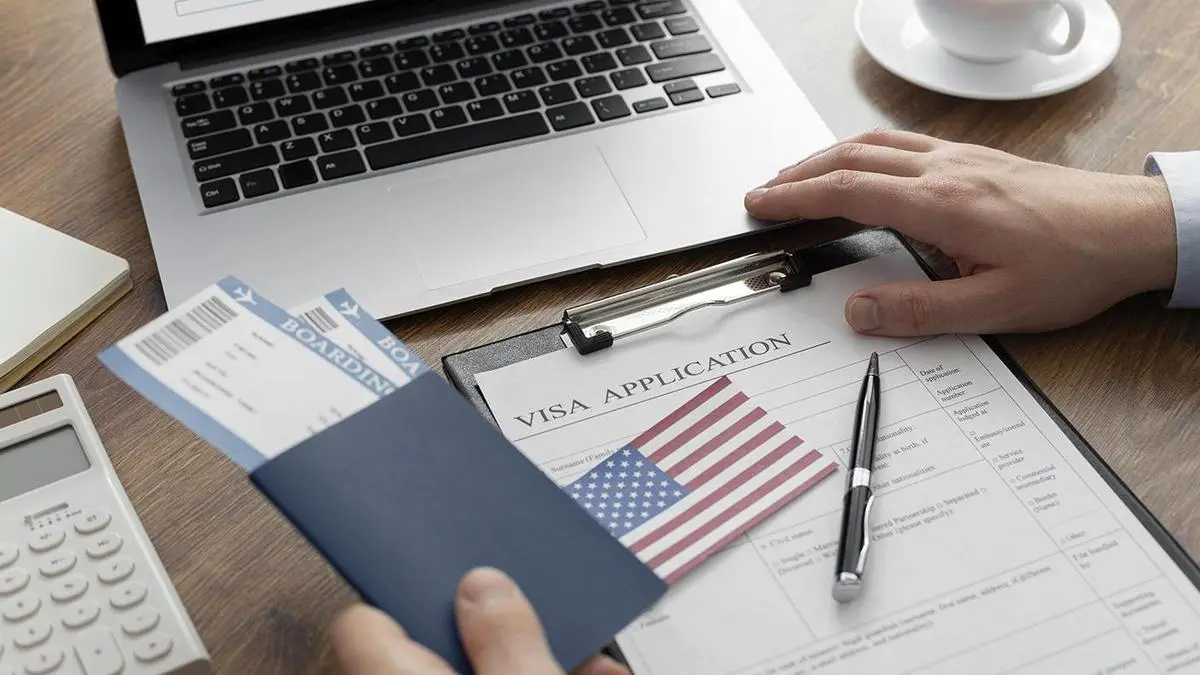
The US Department of State will launch a pilot programme on July 1 that lets business and tourist visa applicants pay an additional USD 750 to schedule an interview appointment within 10 days of payment. The standard visa fee remains USD 185. The programme runs through December 31 and applies at select embassies and consulates to be announced before launch.
The move comes as the Trump administration's broader push to tighten entry rules has created a bottleneck. New requirements – including bonds of up to USD 15,000 for visa processing in some African countries and mandatory disclosure of years of personal history and social media accounts – have lengthened wait times globally. For citizens of countries outside the Visa Waiver Program, interview delays can stretch several months or longer.
Why the Premium Fee Exists
The pilot is a direct response to the backlog the administration's own policies created. The State Department is offering a paid bypass rather than funding more consular staff or streamlining the standard process. The USD 750 fee does not guarantee a visa will be issued – it only guarantees a faster interview slot. The decision to approve or deny remains with the consular officer.
The Mechanism Behind the Wait
Standard visa processing for business (B-1) and tourist (B-2) applicants involves a fixed number of interview slots per embassy per day. When the administration added vetting steps – social media history collection, expanded personal history forms, and bond requirements for certain nationalities – each interview took longer. The result: fewer slots per day and a growing queue.
The premium service carves out a subset of slots that are reserved for paying applicants. This does not increase total embassy capacity. It reallocates existing capacity from the standard pool to the premium pool. Standard applicants may see their wait times lengthen as a result.
Who Is Affected
The pilot targets business travellers and tourists from countries that require a visa to enter the US. Citizens of the 40 Visa Waiver Program countries – including most of Europe, Japan, South Korea, Australia, and New Zealand – are not affected. They already bypass the interview process for short stays.
The Business Traveler Exposure
Companies that send employees to the US for meetings, contract negotiations, or trade shows face the most direct cost. A USD 750 fee per applicant is material for firms with frequent travel. For a company sending 20 employees per year, the premium adds USD 15,000 in visa costs alone, on top of airfare and lodging.
The Tourist Market Read-Through
Tourism boards and hospitality companies in US gateway cities – New York, Los Angeles, Miami, Orlando – have a stake in the pilot's success. If the premium service reduces uncertainty for leisure travellers from high-demand markets like India, Brazil, or China, it could support inbound bookings. If the fee is seen as prohibitive, it may shift demand to alternative destinations that offer faster or cheaper entry.
What the Fee Covers and Does Not Cover
The USD 750 is an add-on to the standard USD 185 application fee. It covers:
- Scheduling an interview within 10 calendar days of payment
- Access to a dedicated appointment booking system
It does not cover:
- Visa issuance (the consular officer can still deny the application)
- Faster processing after the interview (standard adjudication timelines apply)
- Waiver of any documentation or vetting requirements
The Risk of Paying and Being Denied
An applicant who pays USD 750 and is denied the visa loses the entire premium fee. The standard USD 185 fee is also non-refundable. The total sunk cost per denied application is USD 935. For a business traveller with a confirmed meeting schedule, a denial at the interview stage creates both a financial loss and a scheduling disruption.
The Pilot's Structure and Extension Option
The programme runs from July 1 to December 31. The State Department will evaluate demand during that period. If uptake is strong, the pilot could be extended or expanded to more embassies. If uptake is weak, the department may conclude the premium model does not solve the backlog problem.
Which Embassies Will Participate
The State Department has not yet named the select embassies and consulates. The choice of locations will determine the pilot's practical impact. If the programme launches only at low-volume posts, the effect on global wait times will be negligible. If it launches at high-demand posts – such as New Delhi, Mumbai, Sao Paulo, or Mexico City – the reallocation of interview slots could materially extend standard wait times in those markets.
Practical rule: The premium fee is a capacity reallocation tool, not a capacity expansion. Standard applicants at participating embassies should expect longer wait times, not shorter ones.
The Broader Policy Context
The premium visa service sits inside a larger administration effort to make entry to the US more restrictive. The bond requirement – up to USD 15,000 for certain African countries – and the expanded vetting of social media and personal history are structural changes that slow every application. The premium fee is a market-based patch on a regulatory bottleneck.
The Bond Requirement Mechanism
The bond is a financial guarantee that the visa holder will leave the US before their authorised stay expires. If the holder overstays, the bond is forfeited. The requirement adds a step for the applicant – arranging the bond – and a step for the consular officer – verifying the bond – before the interview can proceed. This adds minutes per case and compounds across thousands of applicants.
The Social Media Vetting Impact
Applicants must now list all social media handles used in the past five years. Consular officers can review these accounts as part of the adjudication. The review time varies by officer and by the volume of content. This adds unpredictability to interview duration, which forces embassies to schedule fewer appointments per day to avoid overruns.
What Confirms or Weakens the Thesis
Confirms the premium model works:
- Wait times for premium applicants consistently fall within the 10-day window
- The programme is extended beyond December 31 or expanded to additional embassies
- Uptake is strong enough that premium slots are booked out
Weakens the premium model:
- Standard wait times increase materially at participating embassies, generating backlash
- Denial rates for premium applicants are significantly higher than for standard applicants, suggesting the fee does not improve outcomes
- The programme is not extended, indicating low demand or operational issues
The Decision Point for Travellers and Companies
For a business traveller or a corporate travel manager, the decision to pay the premium fee depends on the cost of delay. If a missed meeting or delayed contract signing costs more than USD 935, the premium is rational. If the trip is flexible, waiting for a standard slot is cheaper.
The Booking Sequence
An applicant who chooses the premium service should:
- Confirm that the destination embassy is participating
- Pay the standard USD 185 fee first
- Pay the USD 750 premium fee
- Book the interview slot within the 10-day window
- Prepare all documentation in advance – the interview itself is not expedited
The Alternative: Visa Waiver Program Expansion
A structural solution to the backlog would be expanding the Visa Waiver Program to more countries. That would eliminate the interview requirement entirely for short-term business and tourist travel. The administration has not signalled interest in this approach. The premium fee pilot suggests the preferred path is monetising the bottleneck rather than removing it.
Key insight: The USD 750 fee is a price on time. For a high-value business traveller, it is cheap. For a leisure traveller on a tight budget, it is prohibitive. The pilot will segment the applicant pool by willingness to pay, not by urgency of travel.
The State Department will announce the participating embassies before July 1. Companies with frequent US travel exposure should track that list. If a high-volume post is included, the decision to pay or wait becomes a recurring budget line item, not a one-off choice.