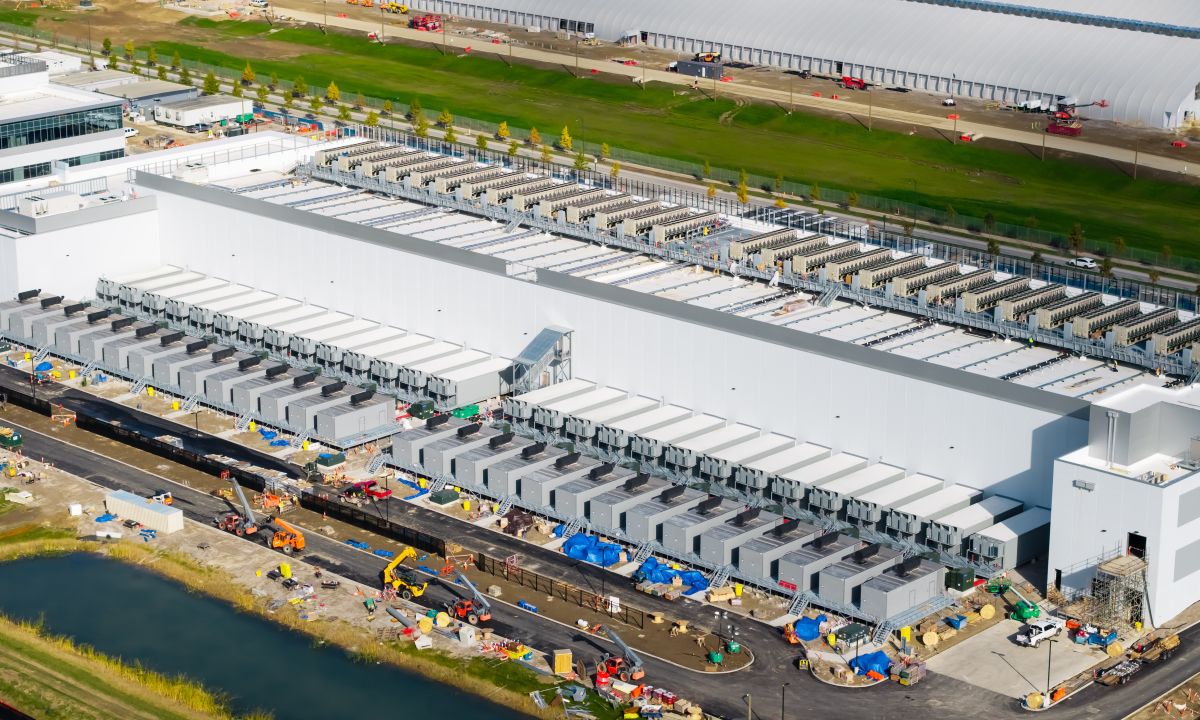
The rapid expansion of artificial intelligence infrastructure has hit a critical friction point as nearly 40% of U.S. data center projects face significant delays. Satellite imagery and industry data indicate that permitting hurdles and acute labor shortages are preventing developers from meeting the aggressive construction timelines required to support the next generation of high-density computing clusters.
Permitting and Grid Constraints
The primary bottleneck for new data center capacity remains the intersection of local zoning requirements and utility grid availability. While capital expenditure for AI remains at record levels, the physical reality of building these facilities requires long-term coordination with regional power providers. Many projects are currently stalled in the pre-construction phase as developers navigate complex environmental impact assessments and local opposition to the massive power loads these facilities demand.
These delays create a structural mismatch between the demand for compute and the physical availability of data center space. When projects fail to break ground on schedule, the ripple effect impacts the entire supply chain, including the hardware manufacturers that rely on these facilities to house their latest chip architectures. For investors tracking the stock market analysis of hardware providers, the pace of data center completion is now as important as the underlying chip performance.
Labor and Supply Chain Dependencies
The construction of modern data centers requires a specialized workforce capable of handling complex electrical and cooling systems. The current labor shortage is not limited to general contractors but extends to the highly skilled technicians needed to install the specialized infrastructure that differentiates a modern AI data center from a standard cloud facility. This scarcity of labor has forced developers to extend project timelines, which in turn increases the cost of capital for these massive infrastructure investments.
Several factors are currently compounding these delays:
- Increased competition for specialized electrical components and cooling hardware.
- Regulatory backlogs in regions that were previously considered data center hubs.
- Rising costs associated with securing reliable, long-term power purchase agreements.
The Path to Capacity Normalization
The industry is now shifting its focus toward modular construction and brownfield redevelopment to bypass some of the traditional permitting delays. By repurposing existing industrial sites that already have established power connections, developers hope to shave months off their timelines. However, the reliance on these workarounds suggests that the current infrastructure crunch will persist through the near term.
As companies like NVIDIA continue to push the boundaries of AI hardware, the bottleneck is shifting from the silicon itself to the physical environment required to operate it. The next concrete marker for this sector will be the quarterly capital expenditure updates from major cloud providers. These filings will reveal whether the current construction delays are forcing a reallocation of budgets or if the industry is successfully navigating the permitting and labor environment to maintain its long-term deployment goals.