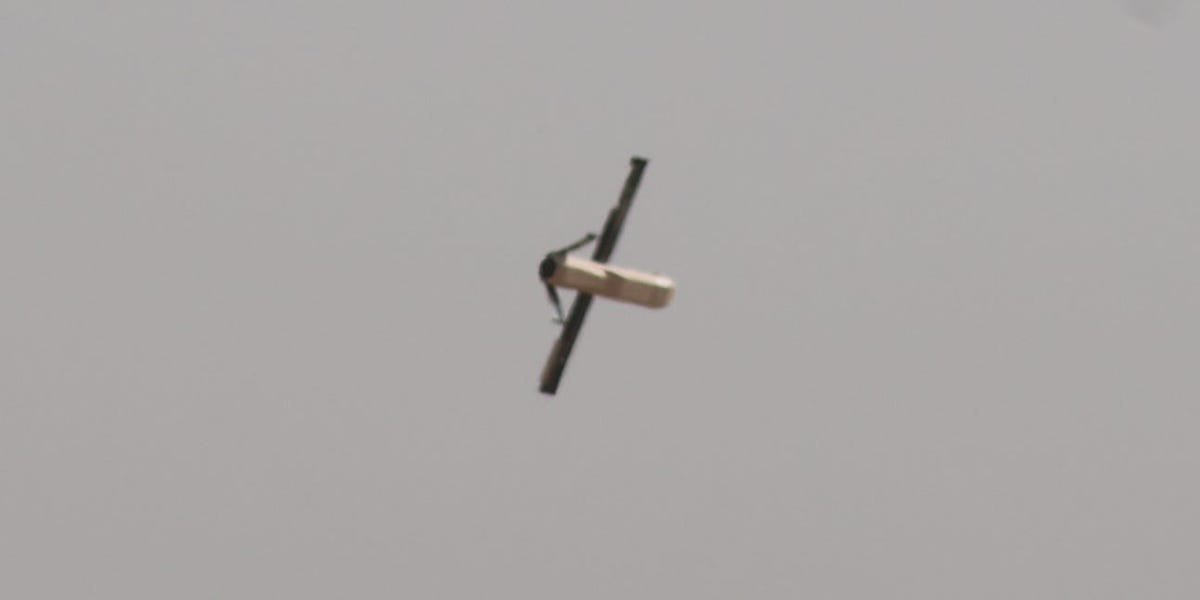
The British military is integrating a new class of high-speed interceptor missiles into its defensive inventory to counter the proliferation of Iranian Shahed-style attack drones. This shift addresses a critical gap in tactical air defense where traditional, high-cost surface-to-air systems are often inefficient against low-cost, mass-produced loitering munitions. The interceptors, developed by a UK-based startup, prioritize speed and cost-effectiveness to ensure that defensive operations remain sustainable during prolonged engagements.
Strategic Shift in Drone Defense
The reliance on expensive missile batteries to neutralize inexpensive drones has created a significant economic imbalance on the battlefield. By deploying a specialized interceptor, the Ministry of Defence aims to preserve its more sophisticated, long-range air defense assets for higher-tier threats. This development reflects a broader trend among global militaries to optimize their munitions portfolios for asymmetric warfare. The focus is now on achieving a lower cost-per-kill ratio without sacrificing the kinetic performance required to intercept agile, low-altitude targets.
Industrial and Sector Implications
The procurement of these systems signals a shift toward smaller, agile defense contractors capable of rapid iteration. While major defense primes continue to dominate large-scale platform contracts, the demand for specialized, high-volume interceptors is creating opportunities for domestic startups. This trend mirrors broader shifts in the stock market analysis regarding defense spending, where investors are increasingly looking at firms that provide scalable, high-demand components rather than just legacy hardware.
AlphaScala Sector Context
Within the broader industrial and consumer landscape, companies like Bloom Energy Corp (BE stock page) maintain a mixed Alpha Score of 46/100, reflecting the volatility inherent in sectors currently undergoing rapid technological pivots. As defense budgets prioritize drone countermeasures, the supply chain for specialized electronics and propulsion systems will face increased scrutiny. The next concrete marker for this program will be the initial field deployment data and the subsequent scaling of production contracts, which will determine if this startup model can effectively compete with established defense suppliers in the long term.