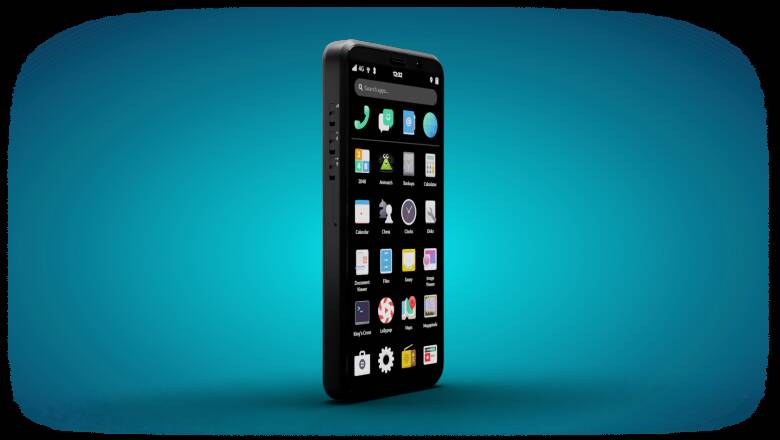
The mobile operating system landscape is increasingly defined by the tightening control of Apple and Google. As these two entities implement stricter limitations on user customization and data privacy, the market for alternative hardware and software ecosystems has gained renewed relevance. Consumers seeking to move away from the dominant duopoly face a landscape where hardware choices are often tethered to specific software constraints.
The Hardware and Software Divide
Transitioning away from the primary ecosystems requires a shift in how users interact with their mobile devices. While Apple maintains a closed loop through its proprietary hardware and software integration, Google relies on the Android platform to exert influence across a vast array of manufacturers. Alternatives often prioritize open-source foundations, allowing for greater transparency and user control over system permissions. These devices frequently appeal to power users who prioritize security and modularity over the seamless, yet restrictive, experience provided by mainstream flagships.
Market Context and Ecosystem Shifts
Current market dynamics show a clear divergence in how major technology firms manage their user bases. Apple Inc. (AAPL) continues to leverage its ecosystem to drive hardware sales, reflected in its current Alpha Score of 60/100 and a price of $284.77, representing a 4.95% gain today. Conversely, Alphabet Inc. Class A (GOOGL) faces different pressures within the Communication Services sector, currently trading at $384.08 with a 0.19% decline. These valuations reflect the broader investor sentiment regarding the sustainability of their respective walled gardens.
For those evaluating the broader technology sector, including hardware manufacturers like ON Semiconductor Corporation (ON), the shift toward alternative mobile platforms represents a niche but persistent demand for hardware that does not rely on traditional software stacks. Investors monitoring these trends should look toward the next round of hardware release cycles and software update disclosures to see if the current push for user-controlled operating systems gains significant market share or remains a specialized segment of the broader stock market analysis.
Next Steps for Consumers
The decision to switch platforms involves more than just hardware selection. It requires an assessment of application availability and cross-platform compatibility. The next concrete marker for this sector will be the adoption rates of privacy-focused mobile operating systems in the upcoming fiscal quarter. Users should monitor developer support for these alternative platforms, as the long-term viability of non-mainstream devices depends entirely on the availability of essential software services.