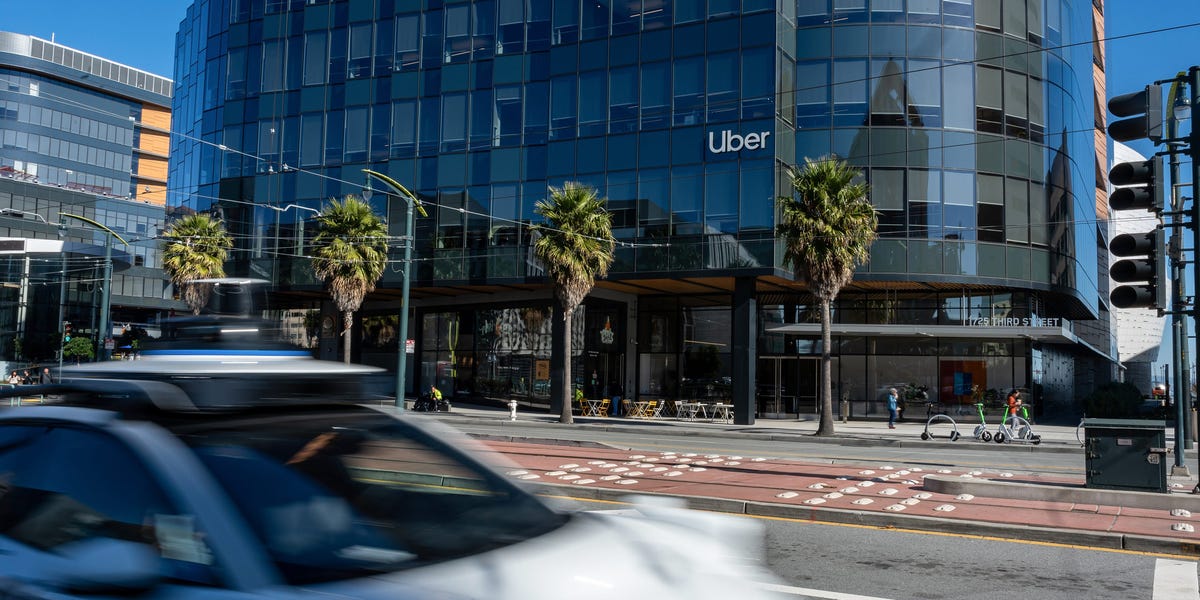
Uber pays many of its data scientists and software engineers base salaries approaching $300,000 a year, with some roles exceeding that figure, according to H-1B visa disclosures. The filings, which employers submit for foreign workers, reveal compensation for specialized roles at a company that is still hiring even as artificial intelligence and work visa restrictions reshape the U.S. tech workforce.
The ride-hailing giant has several hundred open positions, a pace that stands out against wider industry slowdowns. Many large tech firms have slowed hiring or cut jobs outright. Uber is adding headcount, investing heavily in autonomous vehicle technology, delivery logistics, and AI-driven features. The new roles support those initiatives.
The H-1B data shows base salaries for data scientists and software engineers often land in the high $200,000 range. Total compensation, which typically includes bonuses and equity grants, runs higher. Comparable roles at other large tech firms pay similar amounts. Uber's willingness to sponsor visas and pay top rates signals it is prioritizing access to global talent in a tight U.S. tech labor market. The open roles span multiple locations, including its San Francisco headquarters.
Uber's stock has been volatile, reflecting the balance between growth spending and profitability targets. The company's Alpha Score, a proprietary measure of stock quality, sits at 50 out of 100, a mixed rating. The compensation data is a useful benchmark for investors watching how much Uber spends on talent acquisition. The payoff from that spending will depend on whether the hires translate into revenue growth and margin improvement.
The next earnings report will offer a clearer view of cost trends and whether Uber's bet on expanded headcount is paying off.