Back to Markets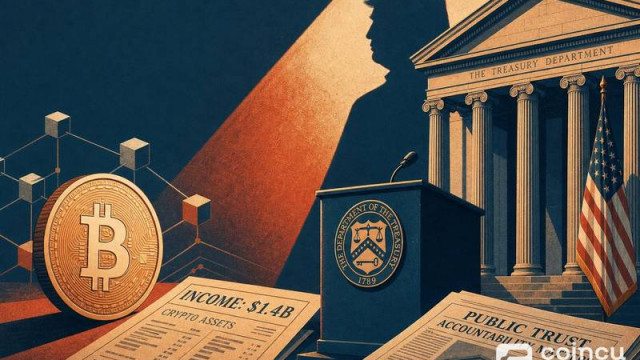
Crypto▲ Bullish
Treasury Chief Dismisses Trump's $1.4B Crypto Income as Non-Issue
Treasury Secretary Scott Bessent said Trump's $1.4B in crypto income is not a problem. The remark raises questions about conflict-of-interest oversight as the White House sets digital-asset policy.
Continue with
Treasury Secretary Scott Bessent said President Donald Trump's roughly $1.4 billion in cryptocurrency-related income, disclosed in a federal filing, is not a problem. The remark came after the Office of Government Ethics released the president's financial disclosure on May 8, 2026.
Bessent's characterization is his own opinion, not a formal ethics ruling. The Treasury Department oversees anti-money-laundering rules, sanctions enforcement, and broader crypto regulation. The president's financial stake in digital assets while the executive branch sets crypto policy raises conflict-of-interest questions that ethics watchdogs track.
The $1.4 billion figure is an aggregate estimate. Federal disclosure forms report income and asset values in ranges, not precise dollar amounts. The actual realized income could be higher or lower depending on how the ranges are interpreted. The filing does not specify whether the income came from the TRUMP meme token, other crypto ventures, or a combination.