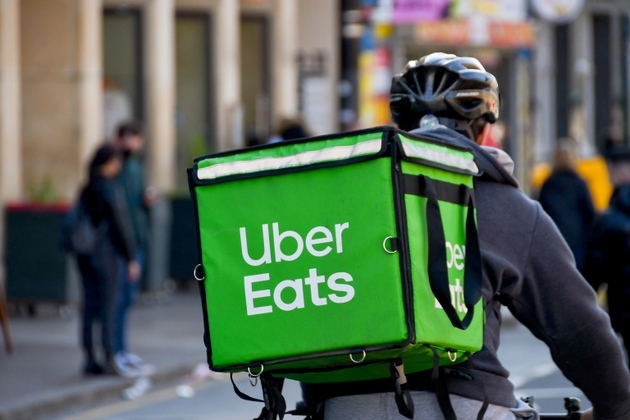
Uber (UBER) has officially integrated package returns into its delivery platform, allowing customers to hand off prepaid, sealed packages to couriers for transport to participating retailers. The service currently includes major chains such as Target and Best Buy. This expansion marks a shift for the company as it moves beyond food and grocery delivery to capture a share of the reverse logistics market.
Operational Shifts in Delivery
The move leverages the existing Uber Eats courier network to manage the flow of goods from consumers back to physical storefronts. By positioning its platform as a utility for retail logistics, the company is attempting to increase the frequency of app usage beyond meal ordering. This strategy aligns with broader efforts to diversify revenue streams within the stock market analysis sector by utilizing under-capacity delivery windows.
Sector Read-through and Logistics
The integration of return services suggests a push toward full-cycle commerce support. By handling the final mile of the return process, Uber is positioning itself as a direct competitor to traditional courier services and specialized logistics providers. The success of this rollout depends on the company's ability to manage the operational complexity of handling non-food items at scale. As Agentic Commerce Models Emerge in China’s Digital Ecosystems, domestic platforms are increasingly testing similar service-layer expansions to maintain user engagement. The company has not yet disclosed specific volume targets or the financial impact of the return service on its quarterly delivery margins.