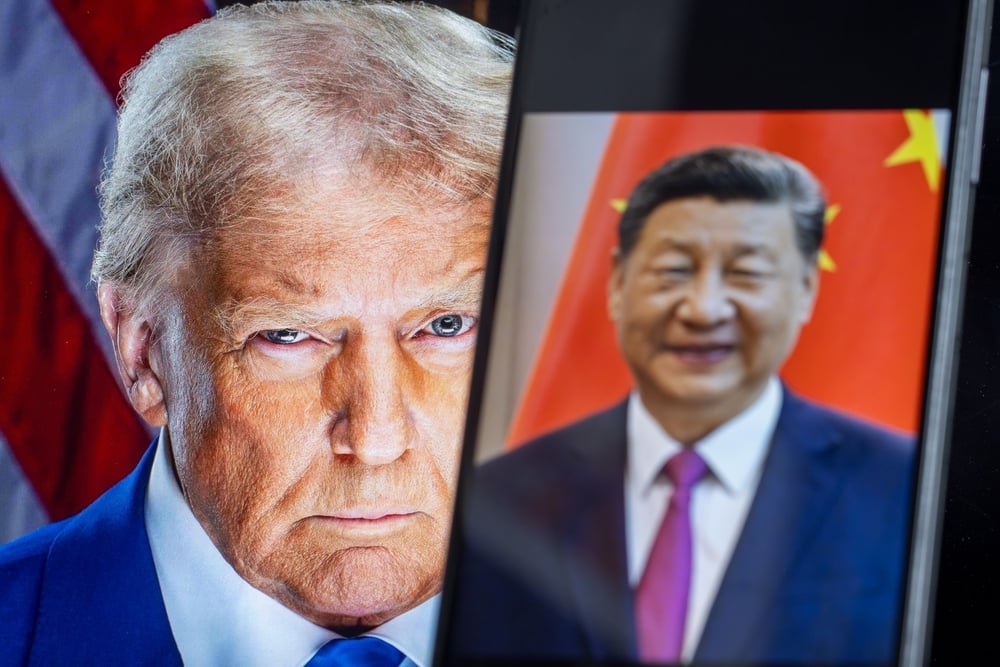
The global energy landscape is undergoing a structural realignment that effectively dismantles China’s decade-long push to de-dollarize the oil trade. Following the disruption of the Strait of Hormuz, which the IEA’s Fatih Birol identified as the largest supply shock in history at 13 million barrels per day, the U.S. has moved to fill the void with American crude. This shift is not merely a supply-side adjustment; it is a deliberate re-anchoring of the global oil market to the U.S. dollar, executed through a combination of direct production control in Venezuela and the deployment of permanent dollar swap lines to Gulf allies.
The Venezuelan Pivot and Dollar Dominance
The strategy began in earnest on January 3, 2026, following the U.S. special forces operation in Caracas. With Venezuela holding 303 billion barrels of proven reserves—roughly 17% of the global total—the transition of PDVSA’s output into the U.S. orbit is a massive liquidity event for the dollar. By mandating that these barrels be priced and settled in dollars, the administration has effectively neutralized a significant portion of the potential yuan-based trade that Beijing had targeted. As Vice President JD Vance noted, the control of these assets is fundamentally about controlling the purse strings of the global energy trade.
Gulf States and the Swap Line Mechanism
The United Arab Emirates' decision to exit OPEC, effective May 1, 2026, marks the collapse of the traditional Gulf-led oil consensus. Faced with the volatility of the Hormuz closure and the loss of traditional export routes, the UAE has turned to Treasury Secretary Scott Bessent for financial stability. The implementation of permanent dollar swap lines provides these nations with an immediate, reliable source of liquidity, mirroring the successful $20 billion facility extended to Argentina in October 2025. This mechanism forces a binary choice: maintain a hedge in yuan or accept the U.S. dollar lifeline. Abu Dhabi’s engagement with the Treasury signals that the latter has become the preferred path for regional stability.
Market Read: Integrated Majors and Energy Flows
For investors, the shift creates a distinct tailwind for U.S. integrated oil majors. Chevron Corporation (CVX) and Exxon Mobil Corporation (XOM) are positioned as the primary beneficiaries of a world where American crude serves as the global backup barrel. While Chevron (CVX) currently carries an Alpha Score of 45/100 and Exxon Mobil (XOM) sits at 57/100, these scores reflect broader sector volatility rather than the specific strategic advantage gained by the forced rerouting of global energy flows. The market has yet to fully price in the permanence of this dollar-centric infrastructure, which effectively creates a floor for demand for U.S.-produced energy assets.
The Failure of the Yuan-Settlement Thesis
China’s previous progress in bypassing the dollar—such as the $7 billion currency swap with Saudi Arabia in November 2023 and the integration into the mBridge platform—is now being systematically unwound. With Asian refiners scrambling for U.S. WTI, Mars crude, and other dollar-denominated grades, the volume of oil settling in yuan is contracting. The fact that Asia’s April crude imports are on track for their lowest levels since 2016 suggests that the disruption is not just a temporary logistical hurdle but a fundamental break in the trade architecture that Beijing relied upon to expand the yuan’s global reserve status.
Risk Factors and Confirmation
The primary risk to this thesis is a rapid de-escalation of the conflict in the Strait of Hormuz, which could theoretically allow Gulf producers to return to their previous hedging strategies. However, the establishment of permanent dollar swap lines creates a level of institutional dependency that is difficult to reverse. Investors should monitor the volume of U.S. crude exports to Asian markets as the primary indicator of this trend's durability. If U.S. export volumes remain elevated despite a potential easing of regional tensions, it will confirm that the transition to a dollar-based energy trade is structural rather than reactive. Conversely, a return to pre-2026 settlement patterns in the Gulf would suggest that the current U.S. strategy is failing to hold the loyalty of its regional partners. The current environment favors those who recognize that the global oil trade is being forcibly re-centralized around the dollar, rendering the previous de-dollarization narrative obsolete in the face of renewed American energy hegemony.