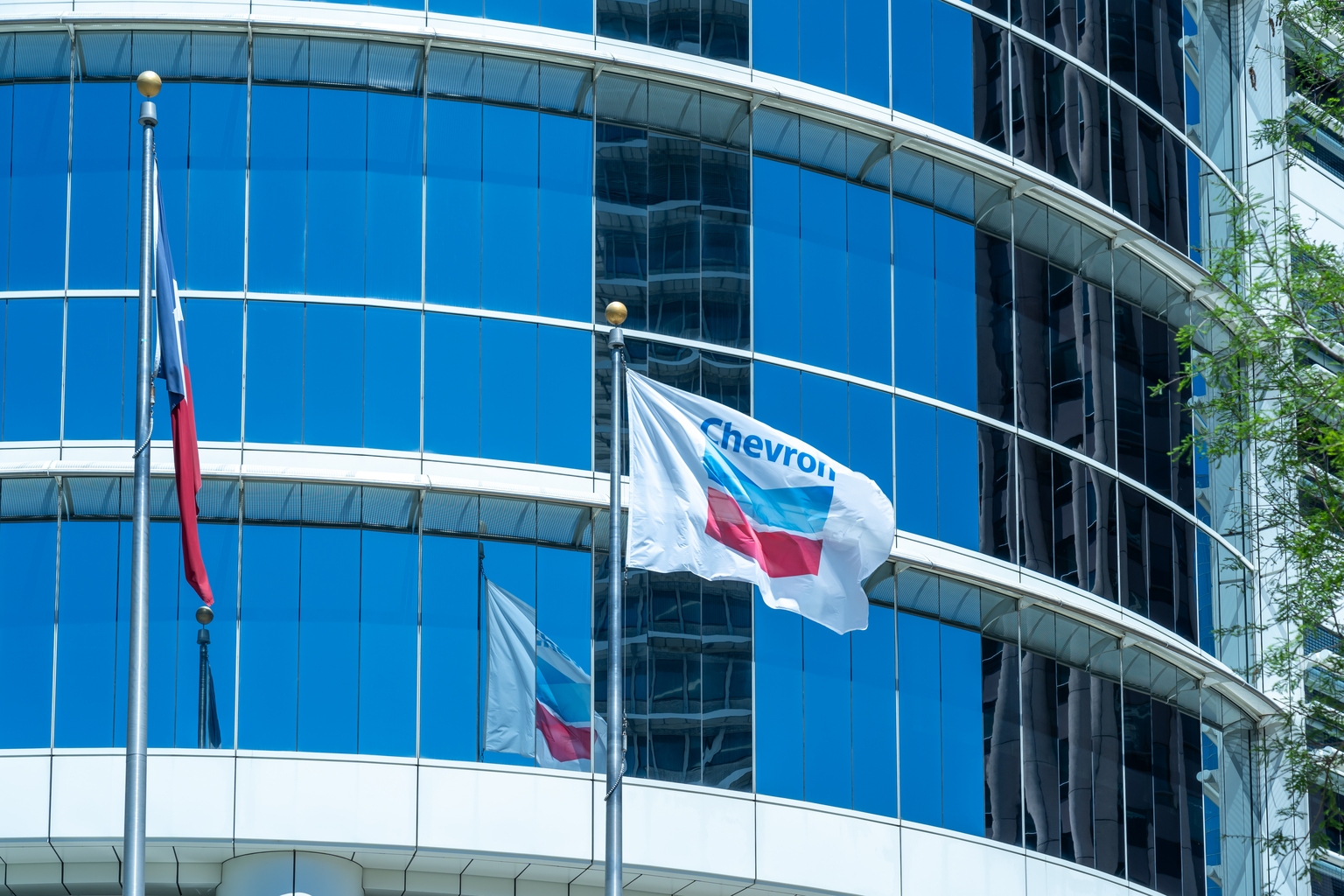
The ongoing geopolitical friction between the United States and the Islamic Republic of Iran has introduced a new layer of volatility into energy markets. This standoff, which threatens to disrupt established shipping routes and influence production stability in the Gulf, positions major integrated oil firms to capture potential upside from rising petroleum prices. Chevron Corporation (CVX) remains a primary entity to watch as these supply-side pressures evolve.
Gulf Production and Shipping Vulnerabilities
The core risk involves the potential for restricted transit through critical maritime chokepoints. When regional tensions escalate, the market often prices in a risk premium on crude oil, anticipating that supply chains will face delays or outright blockages. For a producer like Chevron, the immediate impact is a higher realized price per barrel, which can offset operational costs or localized production slowdowns. However, the secondary effect is the increased cost of logistics and the potential for insurance premiums to climb for tankers operating in high-risk zones.
Investors often view this as a straightforward bullish signal for energy stocks. The more nuanced read, however, requires looking at how these companies manage their capital expenditure in the face of such uncertainty. If the market perceives the supply disruption as temporary, the price spike may be short-lived, leading to a quick reversal in energy equities. If the disruption appears structural, the focus shifts to which companies have the most resilient production profiles and the lowest cost of extraction.
Energy Sector Positioning and Valuation
Within the current energy landscape, Chevron maintains an Alpha Score of 46/100, reflecting a mixed outlook as the market balances geopolitical tailwinds against broader macroeconomic headwinds. Other major players like Exxon Mobil Corporation (XOM) currently hold an Alpha Score of 56/100, while ConocoPhillips (COP) sits at 53/100. These scores suggest that while the sector is sensitive to the same macro drivers, institutional positioning varies significantly based on individual balance sheet strength and project portfolios. You can find more detailed breakdowns on the CVX stock page, the XOM stock page, and the COP stock page.
Market participants should monitor the specific volume of crude oil flowing through affected regions rather than relying solely on headline price movements. A sustained increase in the risk premium without a corresponding drop in actual physical delivery suggests that the market is pricing in a long-term shift in energy security. Conversely, if production levels remain steady despite the rhetoric, the risk premium will likely compress, putting downward pressure on energy valuations.
The next concrete marker for this setup will be the upcoming quarterly production reports and any updates regarding regional shipping insurance rates. If the standoff leads to a measurable decline in regional output, the focus will shift toward the ability of producers to ramp up supply from non-affected basins to capture the price delta.