President Donald Trump's threat of a "massive attack" on Iran pushed crude oil above $100 a barrel and sent Apple shares down 1.8% in premarket trading Friday. Investors priced in a prolonged energy shock that could squeeze consumer spending ahead of the fall product cycle, traders said.
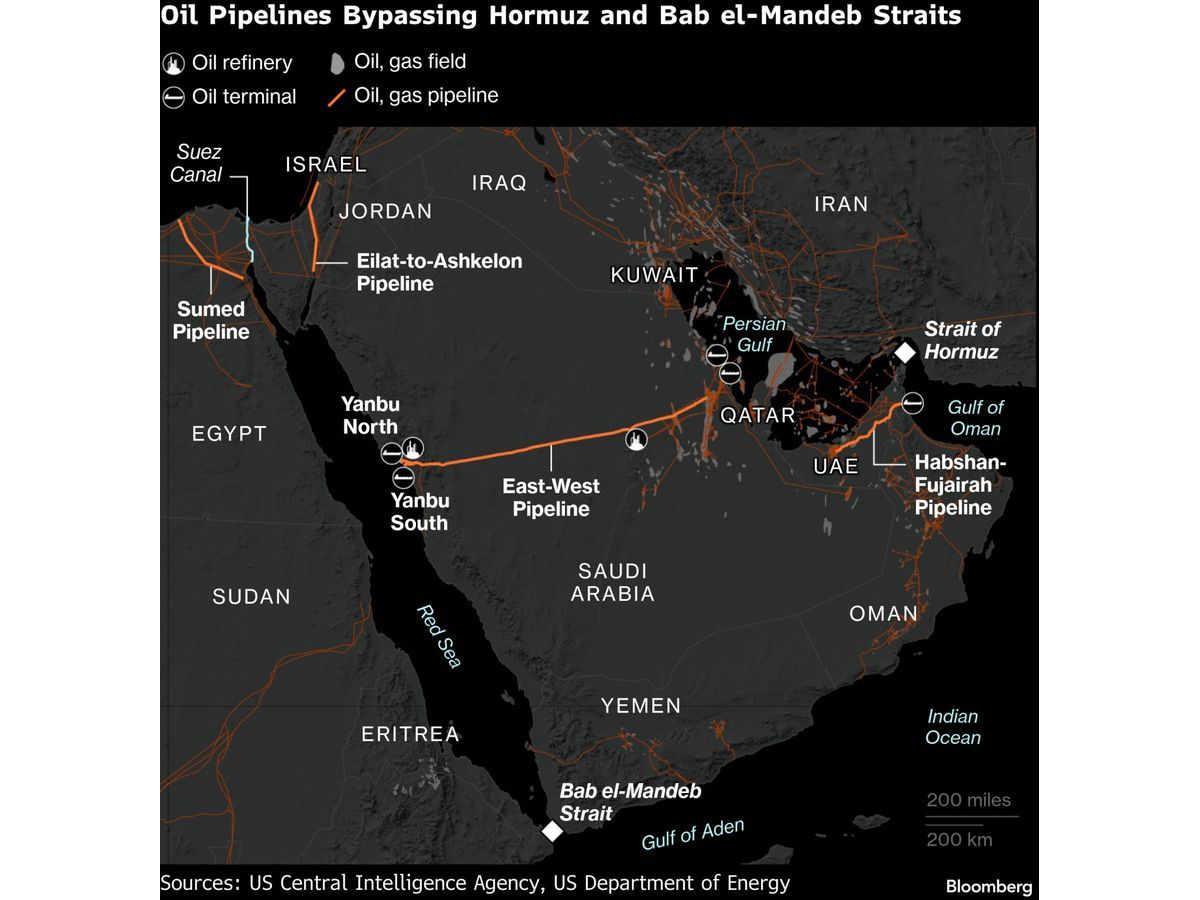
Trump told Axios he was "close to making a decision" on strikes "bigger than ever before." Iran "hasn't received enough pain yet," he said, according to the interview. A Truth Social post Thursday threatened "major military punishment" against Iran and the Houthi militant group it backs in Yemen if they target commercial ships. The Houthis this week claimed strikes on Saudi oil tankers, opening a new maritime front through the Bab el‑Mandeb Strait, Bloomberg reported.
Mediation efforts faltered after Iran rejected a ceasefire proposal Trump delivered through Iraq's prime minister, the New York Times reported, citing Iranian and Iraqi officials. Details of the plan were not disclosed. Shares of the New York Times, which broke the story, carry an Alpha Score of 52, a mixed signal, according to AlphaScala data. See the NYT stock page for more.
Oil Spike and the Consumer Tech Squeeze
For Apple, the immediate risk is that oil stays above $100 through the fall product cycle. Higher energy bills shrink the pool of cash households can put toward an iPhone upgrade. Fuel surcharges squeeze logistics margins. The stock fell 1.8% in premarket trading Friday, tracking a broader selloff in consumer-facing tech names, traders said.
Consumers in emerging markets, where Apple has been trying to expand, are especially sensitive to fuel inflation. In China, higher energy costs have already depressed retail foot traffic, several analysts said. A sustained oil shock would also raise the cost of shipping components and finished goods, eating into gross margin.
The Hormuz Chokepoint and Apple's Supply Chain
The Strait of Hormuz carried roughly a fifth of global seaborne crude before the February strikes began. Tanker traffic there has slowed to a trickle. The Houthi attacks on Saudi tankers this week threaten the Bab el‑Mandeb passage as well. Two China‑owned oil tankers loaded with Saudi crude have exited the Red Sea via the strait. More diversions would extend transit times and insurance premiums for any goods moving through the region, traders said.
Apple has diversified its supply chain away from China in recent years. The company still relies on Southeast Asian assembly hubs that draw components through Middle Eastern shipping lanes. A prolonged closure of either chokepoint would test that network, several supply‑chain analysts said.
The S&P 500 information technology sector fell 1.2% on Thursday, led by Apple and other hardware makers with heavy consumer exposure. Fund managers rotated into energy stocks, sending the sector up 2.3%. The divergence reflects a market pricing in a persistent energy shock that could last through the second half, traders said.
Trump's Axios interview suggested he is leaning toward escalation. "They haven't received enough pain yet," he said. Iran has threatened to target regional energy infrastructure if Trump follows through on earlier warnings to destroy one bridge or power plant each time Tehran attacks Hormuz shipping. That scenario would send crude well above current levels, straining both household budgets and corporate margins.
Central Command said Thursday it continues its campaign. No new diplomatic overture has been announced.