Stocks● Neutral
Trump: Iran Nuke Threat Trumps Americans' Economic Pain
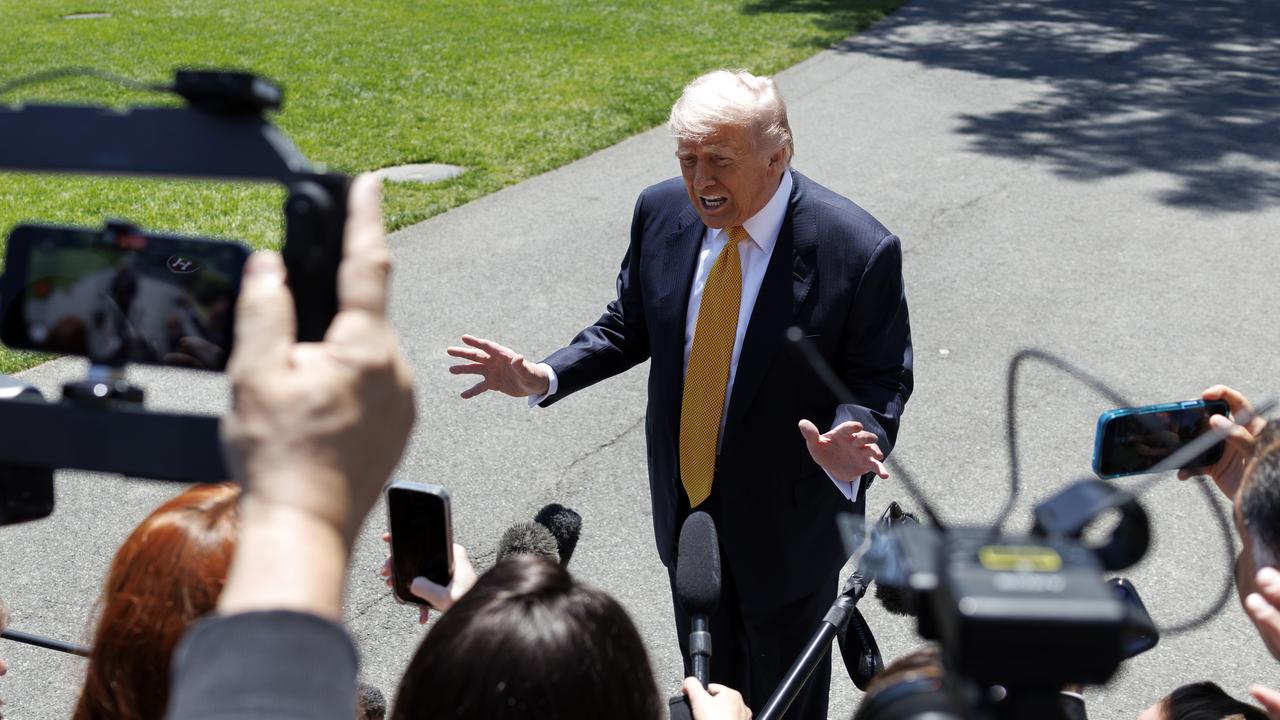
The president's statement removes a near-term off-ramp for the conflict, keeping upward pressure on energy costs and defense spending. Traders must now price a longer war.
Continue with
President Donald Trump said he does not consider the economic pain the war with Iran is inflicting on Americans, stating that stopping Tehran from acquiring a nuclear weapon is the sole priority. The remark, made during negotiations to end the conflict, directly signals that domestic financial costs will not accelerate a diplomatic resolution. For traders, the statement removes a key catalyst that had been priced into energy and defense markets: a near-term off-ramp.
Trump's Statement Removes a Near-Term Off-Ramp
Markets had been building in a probability of de-escalation, reflected in recent pullbacks in crude oil and a flattening of defense sector outperformance. Trump's explicit dismissal of the economic burden resets that calculus. The administration is now openly prioritizing the geopolitical objective over the domestic pocketbook. That stance extends the expected duration of the conflict, forcing a repricing of assets tied to war-related supply disruption and government spending.
The immediate implication is that ceasefire expectations, which had acted as a soft cap on oil prices, lose credibility. Without a policy pivot driven by economic pressure, the conflict's drag on consumer sentiment and input costs persists. The statement does not change the military trajectory. It alters the market's timeline for resolution. Traders who had positioned for a quick diplomatic breakthrough now face a longer window of uncertainty.
Energy Markets Absorb a Longer Conflict Timeline
Crude oil futures are the most direct transmission channel. The Iran conflict has kept a risk premium on global supply, particularly through threats to Strait of Hormuz transit. Trump's words suggest that the U.S. will tolerate higher energy costs as long as the nuclear objective remains unmet. That tolerance reduces the odds of a strategic reserve release or other price-mitigating interventions tied to domestic political pressure.