Stocks● Neutral
Prateek Yadav, Stepson of SP Founder, Dies at 38; Political Risk Watch
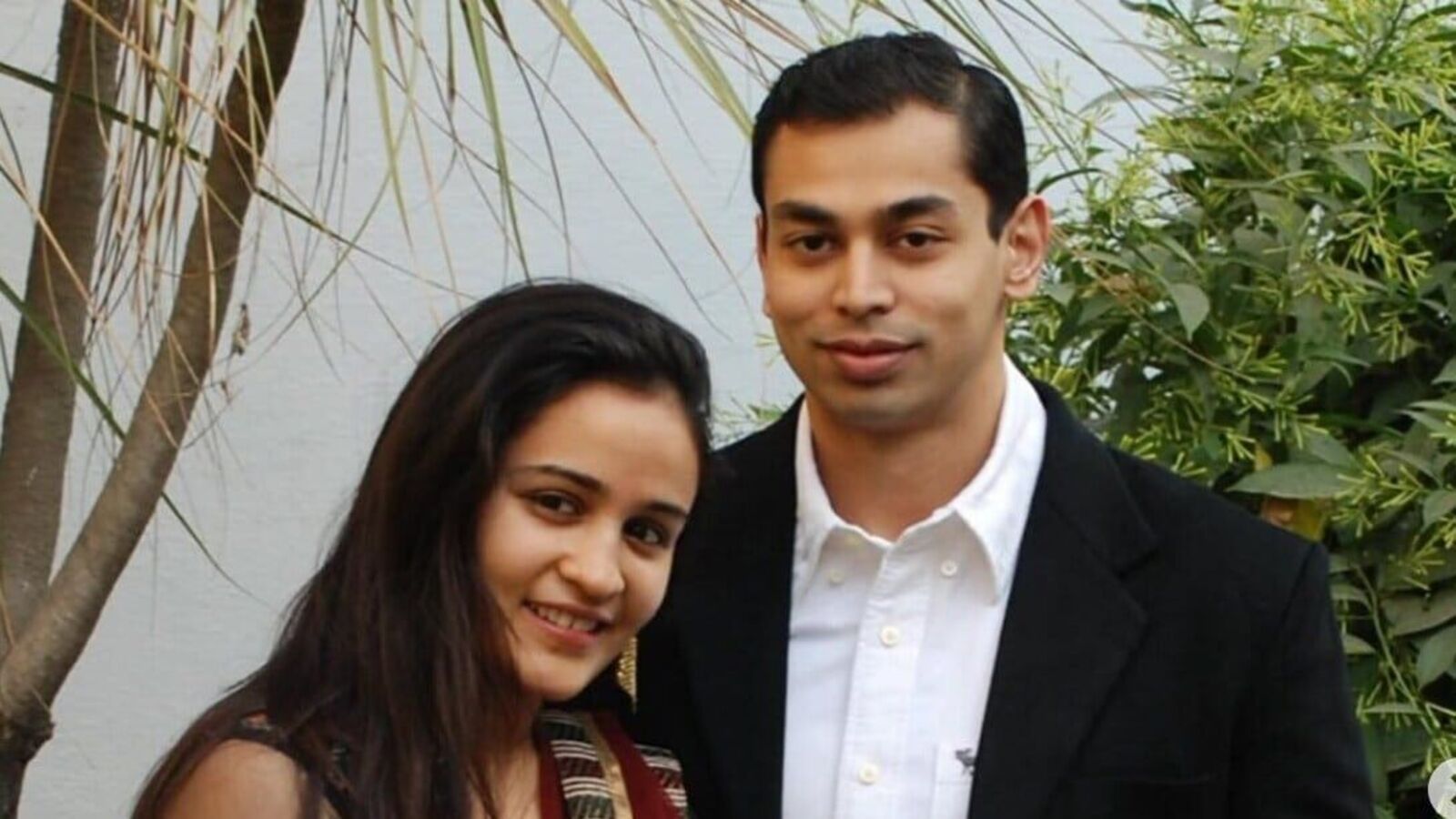
Prateek Yadav, 38, stepson of Mulayam Singh Yadav and husband of BJP leader Aparna Yadav, passed away at Lucknow's Civil Hospital. Cause unknown. No direct market exposure, but political continuity in Uttar Pradesh remains a watchpoint for Indian equities.
Continue with
Prateek Yadav, the 38-year-old stepson of Samajwadi Party founder Mulayam Singh Yadav and husband of BJP leader Aparna Yadav, died at Lucknow's Civil Hospital. The cause of death has not been disclosed. The event removes a low-profile family link between two of Uttar Pradesh's dominant political dynasties, though no immediate market dislocation is expected.
Political Lineage and the Uttar Pradesh Power Structure
Prateek Yadav occupied a unique position in India's most politically consequential state. His stepfather, Mulayam Singh Yadav, founded the Samajwadi Party (SP) and served three terms as Chief Minister of Uttar Pradesh. The SP remains the principal opposition force in a state that sends 80 members to the Lok Sabha and whose political stability directly influences investor confidence in Indian equities.
The Yadav Family's Electoral Footprint
Uttar Pradesh's political economy is deeply intertwined with the Yadav family's network. The SP's core support base among Other Backward Classes (OBCs) and Muslims makes any shift in the family's internal dynamics a potential signal for coalition realignments. Prateek Yadav, however, maintained a deliberate distance from active politics.
- Mulayam Singh Yadav: SP founder, former Defence Minister, three-time UP CM
- Akhilesh Yadav: Prateek's half-brother, current SP president, former UP CM
- Aparna Yadav: Prateek's wife, BJP leader since 2022, former SP member
Prateek Yadav's death does not alter the formal leadership structure of the SP. The party's electoral machinery remains under Akhilesh Yadav's control. The risk to market sentiment, if any, would flow from a perception of instability within the broader Yadav family that could affect the SP's cohesion ahead of the 2027 state assembly election.
Aparna Yadav's BJP Switch and the Family Dynamic
Aparna Yadav's political trajectory adds a layer of complexity. She began her career in the Samajwadi Party and switched to the Bharatiya Janata Party in 2022. The move was widely interpreted as a realignment within the Yadav family's extended political network, though Prateek Yadav himself stayed out of the limelight.
A Low-Profile Figure with No Political Ambitions
Prateek Yadav owned multiple gyms and health centres. He held an MBA from Leeds University and married Aparna Bisht in 2011. Unlike his wife and half-brother, he never contested an election or held a party post. His public appearances were rare. The one exception was a rally in support of street dogs, where he urged the Supreme Court to avoid "inhumane decisions" on animal confinement.
"I would like to request the Honourable Supreme Court not to make any inhumane decision that goes against humanity, which would separate dogs, who are part of our society and have been domesticated by humans, from society. This is cruel and inhumane because dogs are social animals. They cannot live in confinement, and confining them is not possible or feasible for the government. It would require too much manpower, space, and shelter, which I don't think is possible. Instead, if we work on animal birth control and aim to reduce their population over the next 10 years, that's what the government should do. Work on animal birth control, not confinement."
That advocacy, while unrelated to markets, underscores his deliberate separation from the political machinery that drives policy and regulatory risk in Uttar Pradesh.
Immediate Market Exposure: Minimal Direct Impact
Indian equity benchmarks showed no reaction to the news. The Nifty 50 and BSE Sensex are driven by global liquidity, earnings momentum, and domestic institutional flows. A single death in a political family, even one as prominent as the Yadavs, does not shift those variables.
Why Political Risk in Uttar Pradesh Matters for Equities
Uttar Pradesh accounts for roughly 8% of India's GDP and is a key market for sectors ranging from consumer staples to cement and automobiles. Political uncertainty in the state can delay infrastructure projects, disrupt supply chains, and alter the investment climate. The SP's position as the main opposition party means any internal fracture could reduce its effectiveness as a check on the ruling BJP, potentially emboldening policy moves that markets might view as populist or fiscally expansive.
- Infrastructure: UP is a major recipient of central government capex; political noise can slow land acquisition and clearances.
- Consumer demand: Rural UP is a bellwether for two-wheeler and FMCG sales; political stability supports consumption confidence.
- Fiscal policy: A weakened opposition could reduce resistance to state-level subsidies that strain public finances.