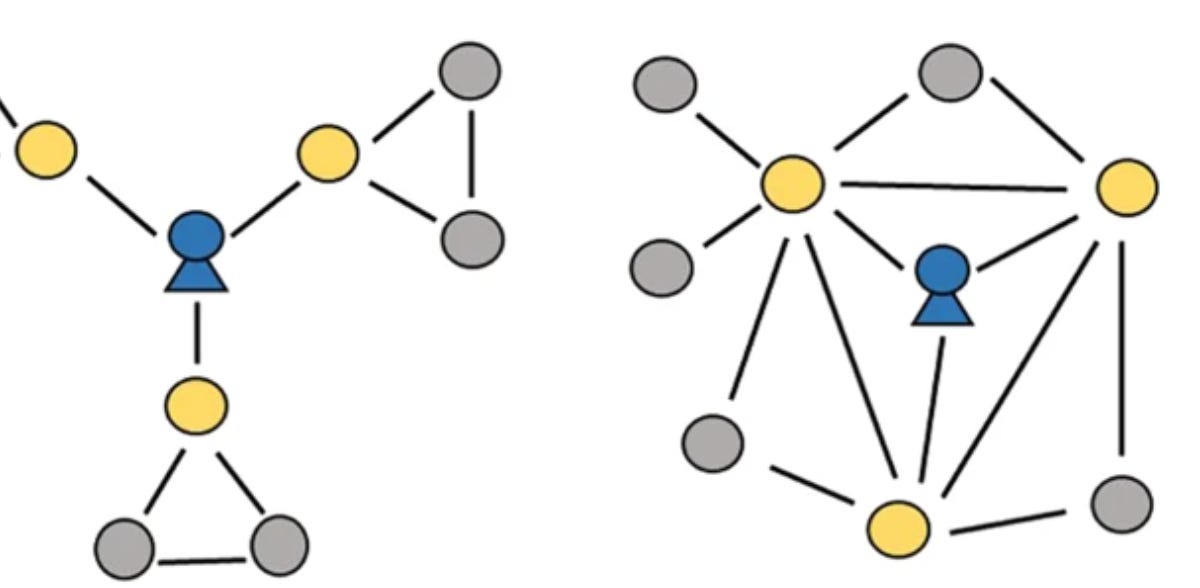
The mechanisms governing social prestige have undergone a fundamental shift as education and artistic taste transition from peripheral markers to core components of institutional status. This evolution reflects a broader movement where intangible assets now dictate the hierarchy of professional and social networks. The decision to weigh these factors heavily in status evaluation is not a static cultural phenomenon but a direct result of how modern institutions filter human capital.
Institutionalizing Cultural Capital
Societal structures have increasingly codified education and aesthetic preferences as proxies for competence and reliability. By embedding these markers into the recruitment and networking processes of elite institutions, the criteria for prestige have become standardized. This creates a feedback loop where individuals must demonstrate alignment with specific cultural norms to access higher tiers of professional influence. The reliance on these metrics serves as a gatekeeping function, ensuring that status remains tied to a specific set of acquired behaviors rather than purely objective output.
The Economic Read-through of Prestige
This shift in status evaluation carries significant weight for the financial sector and corporate governance. As firms prioritize cultural fit and educational pedigree, they are essentially valuing the network effects associated with these traits. This trend is visible in the way large-cap entities manage their human capital, often mirroring the strategies seen in stock market analysis. When prestige is tied to specific cultural networks, the volatility of a firm's talent pool becomes linked to its ability to maintain those social connections.
AlphaScala data currently tracks various financial institutions navigating these shifts in human capital valuation. For instance, V stock page maintains an Alpha Score of 65/100, reflecting a moderate standing in the financial sector at a current price of $317.02. Similarly, KEY stock page holds an Alpha Score of 70/100, illustrating how established players manage their internal structures amidst evolving market expectations.
The Catalyst Path for Social Metrics
The next phase of this development involves the potential for automated evaluation systems to replace human-led cultural assessments. As data-driven hiring and networking tools become more prevalent, the subjective nature of artistic taste and educational prestige will likely face scrutiny for its efficiency and bias. The shift toward quantitative assessment of these qualitative traits will serve as the next major marker for how prestige is distributed.
Future updates to corporate governance filings and human resource disclosure requirements will provide the next concrete signal regarding this transition. If firms begin to disclose the specific metrics used to evaluate cultural alignment, it will reveal whether these status markers are becoming more transparent or if they are being further obscured by proprietary algorithms. Monitoring these disclosures will be essential for understanding how the definition of prestige continues to influence the broader economic landscape.