Back to Markets
Commodities● Neutral

Strait of Hormuz Tension Persists Despite Diplomatic Overtures

Strait of Hormuz Tension Persists Despite Diplomatic Overtures
AONASDE

Diplomatic progress between Washington and Tehran offers a potential reprieve for energy markets, but the structural risks surrounding the Strait of Hormuz continue to dictate the current risk premium on crude oil.

AlphaScala Research Snapshot
Live stock context for companies directly referenced in this story
Alpha Score
55
Moderate

Alpha Score of 55 reflects moderate overall profile with moderate momentum, moderate value, moderate quality. Based on 3 of 4 signals — score is capped at 90 until remaining data ingests.

Alpha Score
40
Weak

Alpha Score of 40 reflects weak overall profile with strong momentum, poor value, poor quality. Based on 3 of 4 signals — score is capped at 90 until remaining data ingests.

Consumer Cyclical
Alpha Score
47
Weak

Alpha Score of 47 reflects weak overall profile with moderate momentum, poor value, moderate quality. Based on 3 of 4 signals — score is capped at 90 until remaining data ingests.

Industrials
Alpha Score
34
Poor

Alpha Score of 34 reflects weak overall profile with moderate momentum, poor value, poor quality. Based on 3 of 4 signals — score is capped at 90 until remaining data ingests.

This panel uses AlphaScala-native stock data, separate from the source wire linked above.

Diplomatic signals between Washington and Tehran have shifted toward a narrative of progress, yet the structural risks surrounding the Strait of Hormuz remain the primary driver of volatility in global energy markets. While negotiators report that recent discussions have narrowed certain gaps, the underlying friction regarding nuclear policy and regional maritime security continues to cast a shadow over the world's most critical oil transit chokepoint. The potential for disruption in this narrow waterway remains a constant variable for crude oil pricing, as any escalation could effectively constrain the flow of millions of barrels per day.

Maritime Transit Risk and Supply Constraints

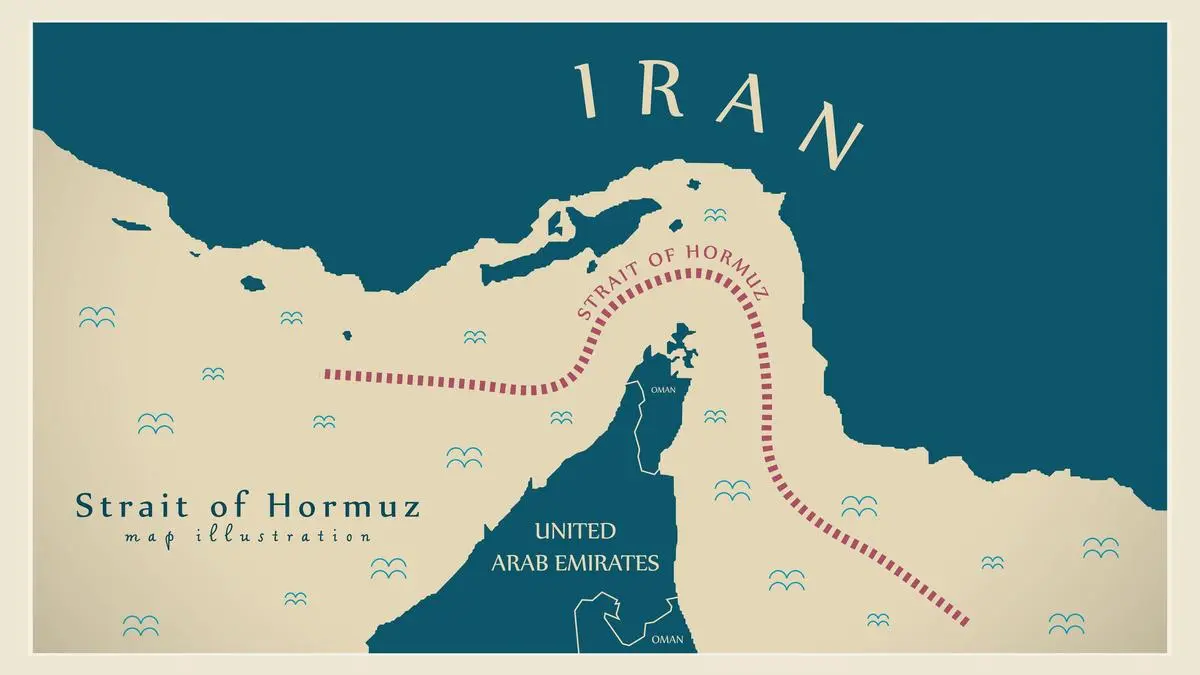
The Strait of Hormuz serves as a vital artery for global energy supply, and its vulnerability to geopolitical posturing creates an immediate risk premium. Even with reports of progress in talks, the physical reality of the transit route remains unchanged. Any sudden shift in the diplomatic environment could trigger a rapid reassessment of supply chain security, particularly for tankers navigating the narrow passage. The market remains sensitive to the fact that current inventory levels provide little buffer against a sustained closure or significant disruption of transit operations.

Geopolitical Influence on Energy Pricing

Energy markets are currently balancing the prospect of de-escalation against the reality of persistent regional instability. The intersection of nuclear negotiations and maritime access creates a complex feedback loop where diplomatic setbacks are immediately reflected in energy futures. Traders are monitoring the following factors as the primary indicators of potential supply chain shifts:

  • The frequency and tone of official statements regarding the status of the Strait.
  • Any observable changes in naval activity or tanker traffic patterns near the chokepoint.
  • The alignment of regional allies with the current diplomatic framework.

These factors collectively dictate the risk premium embedded in crude oil. While the current focus is on the potential for resolution, the structural limitations of the Strait mean that the market will likely remain in a state of heightened alert. For further context on how regional instability impacts energy logistics, see our analysis on geopolitical volatility in the Middle East.

AlphaScala Market Context

Market participants are currently navigating a period of mixed sentiment across broader equities, which often correlates with the uncertainty seen in commodity sectors. For instance, AS stock page currently holds an Alpha Score of 47/100, reflecting a mixed outlook in the consumer cyclical sector. Similarly, U stock page maintains an Alpha Score of 36/100, highlighting the cautious approach investors are taking toward technology assets during periods of macro-level instability. These scores underscore the broader market hesitation as participants wait for more definitive signals from the diplomatic front.

The next concrete marker for the market will be the outcome of the subsequent round of high-level talks. Any deviation from the current trajectory of reported progress will likely force a reassessment of the risk premium currently priced into energy assets. Investors should look for official updates on the specific terms governing maritime transit, as these will serve as the primary catalyst for future price movements in the energy sector.

How this story was producedLast reviewed Apr 19, 2026

AI-drafted from named sources and checked against AlphaScala publishing rules before release. Direct quotes must match source text, low-information tables are removed, and thinner or higher-risk stories can be held for manual review.

Editorial Policy·Report a correction·Risk Disclaimer