The Next Frontier of Hardware Integration
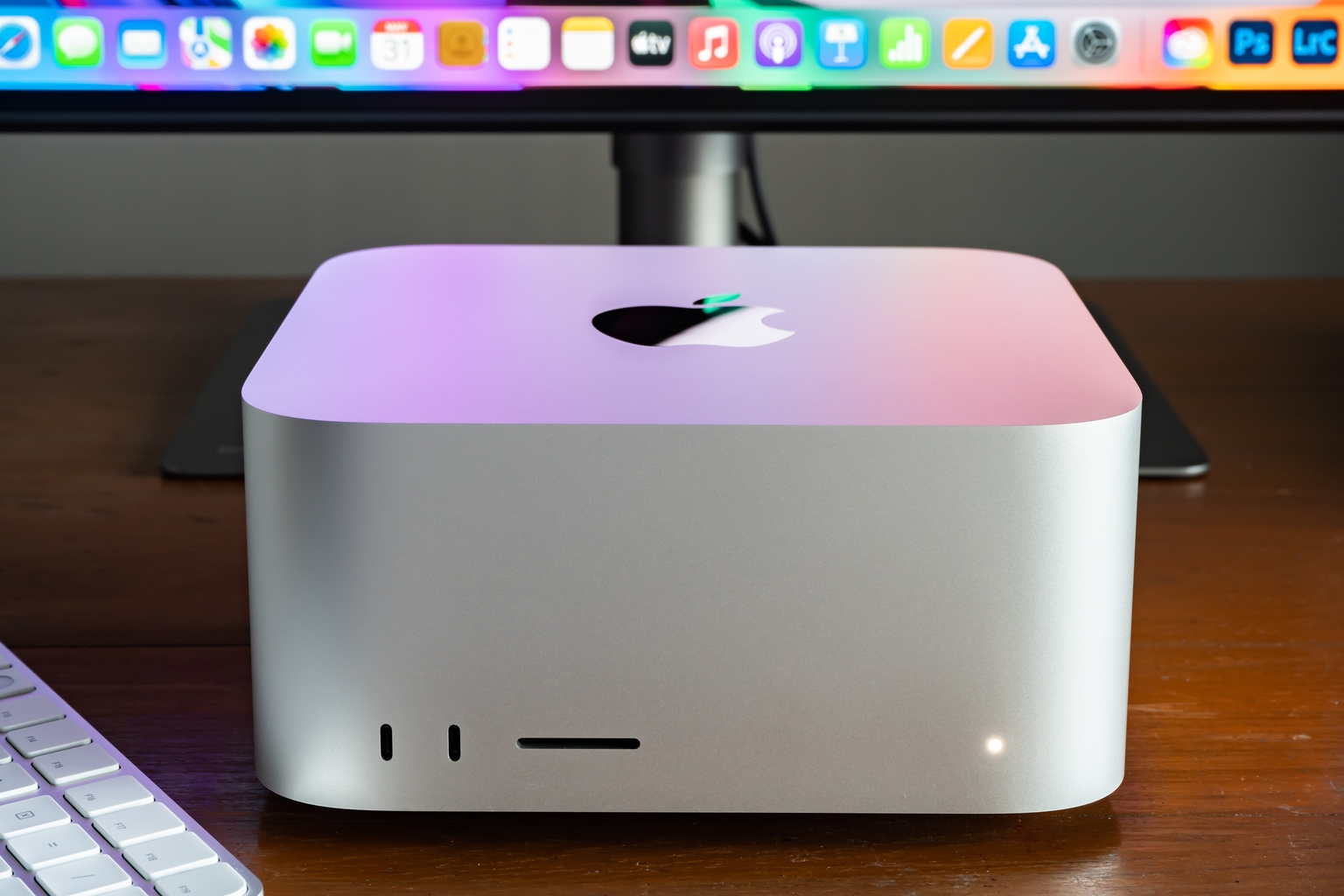
Apple Inc. (NASDAQ:AAPL) is positioning itself at the center of the artificial intelligence revolution, not through massive cloud-based data centers, but through a calculated focus on local, on-device processing. By leveraging its vertically integrated hardware stack, the tech giant is effectively turning its Mac lineup into the premier infrastructure for the next generation of consumer and professional AI adoption.
For investors and traders, the thesis for Apple has evolved. It is no longer just about the recurring revenue of the Services segment; it is about the hardware-software synergy that positions Apple as the gatekeeper for privacy-conscious AI. The core of this strategy relies on the company’s proprietary silicon and unified memory architecture, which are uniquely designed to handle the heavy computational loads required by modern generative AI models.
The Technical Moat: Unified Memory and Silicon
At the heart of Apple’s competitive advantage is the integration of high-bandwidth unified memory. Unlike traditional PC architectures that rely on discrete memory modules, Apple’s M-series chips allow the CPU and GPU to access the same memory pool. This reduction in data latency is critical for running large language models (LLMs) locally. By keeping AI inference on the device, Apple addresses two of the biggest hurdles in the enterprise and consumer AI space: privacy and latency.
This shift is expected to reignite the Mac upgrade cycle. As AI tools become standard in professional workflows—ranging from creative software to data analysis—the hardware requirements will inevitably scale. Apple is banking on the fact that users will favor the high-margin, high-performance Mac ecosystem to run these resource-intensive applications, rather than relying on unstable cloud connections or expensive, power-hungry third-party hardware.
Driving High-Margin Services
While hardware serves as the gateway, the real engine of long-term value remains the Services division. As on-device AI capabilities improve, the utility of the Apple ecosystem deepens. Analysts point to the potential for AI-driven features to increase user engagement across the App Store, iCloud, and professional software suites.
By ensuring that AI processing happens locally, Apple maintains its brand promise of privacy, which is a significant differentiator in an industry currently plagued by data security concerns. This trust factor is expected to boost retention rates and provide a foundation for future premium-priced service offerings, further expanding Apple’s industry-leading margins.
Market Implications and Investor Sentiment
For market participants, the implications of Apple’s AI pivot are twofold. First, the potential for an accelerated hardware refresh cycle provides a tangible catalyst for revenue growth in the coming quarters. Second, the market is beginning to re-rate Apple not merely as a consumer electronics manufacturer, but as a critical infrastructure provider for the AI era.
With the stock consistently demonstrating resilience, the current strategy underscores a substantial upside potential. Investors are closely monitoring how this hardware-first approach to AI translates into quarterly earnings, particularly regarding Mac unit sales and the growth trajectory of the Services segment.
Looking Ahead: The Catalyst Watch
Moving forward, the primary metric to watch will be the adoption rate of AI-integrated features within the macOS ecosystem. As developers continue to optimize their software for Apple Silicon, the barrier to entry for AI-driven professional tasks will drop, likely accelerating the shift toward Mac-based workstations.
Traders should continue to monitor the intersection of hardware sales data and the expansion of AI-related service offerings. As Apple continues to bridge the gap between complex AI processing and user-friendly, private, on-device hardware, the company remains uniquely positioned to capture significant value in the evolving technological landscape.