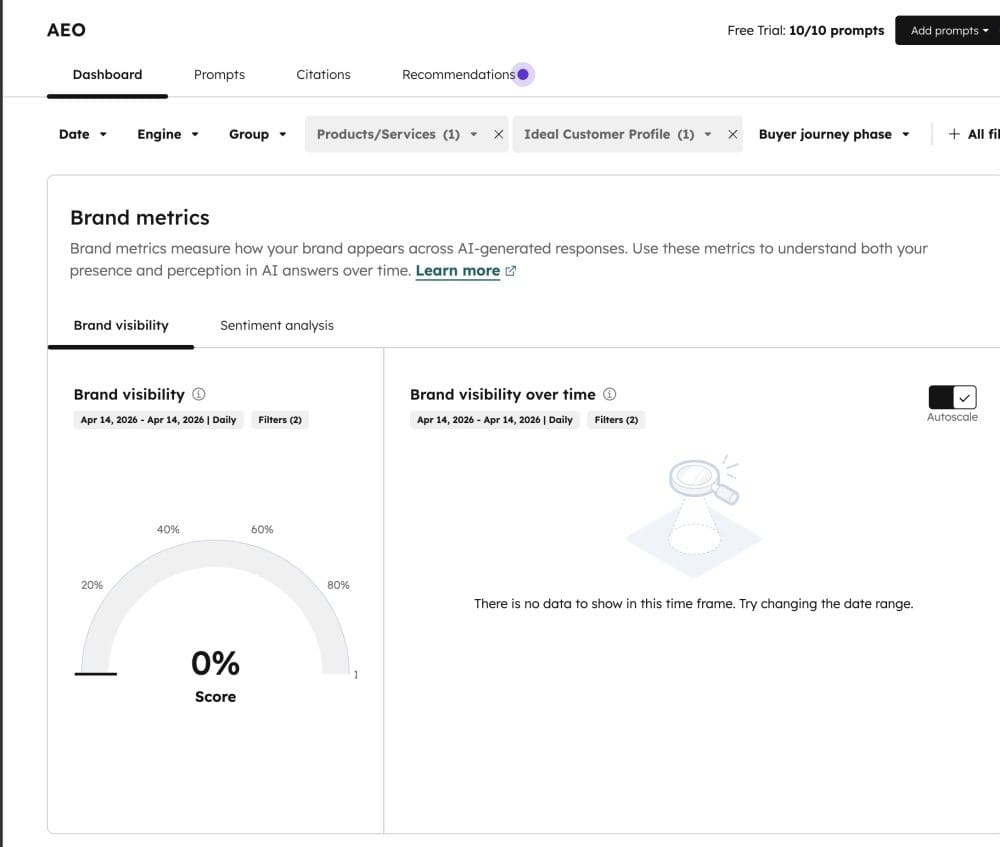
The current wave of AI integration across the software sector is hitting a friction point as established industry leaders struggle to move beyond incomplete product releases. High-profile platforms including HubSpot and Figma are currently shipping what industry observers describe as 60% solutions. These offerings provide core utility but lack the polish and comprehensive functionality expected of enterprise-grade software.
The Friction of Incomplete AI Integration
For legacy SaaS giants, the challenge lies in balancing rapid deployment with product reliability. While companies like HubSpot have long set the standard for B2B workflows, their recent AI-driven features are failing to meet the high bar set by their existing product suites. Users are reporting that these tools often feel like beta tests rather than finished, integrated solutions. This creates a disconnect where the promise of AI efficiency is undermined by the reality of fragmented or unreliable output.
This trend suggests that the rush to maintain competitive relevance in the stock market analysis landscape is forcing firms to prioritize speed over depth. When a product is released at 60% maturity, it forces the end user to perform the remaining 40% of the work manually. This defeats the primary value proposition of AI automation. For companies like Figma, which rely on precision and design integrity, these gaps are particularly visible to their power-user base.
Sector Read-Through and Future Expectations
This pattern of premature shipping is not limited to a single niche. It reflects a broader industry trend where the pressure to demonstrate AI capabilities outweighs the time required for rigorous quality assurance. Investors are now forced to weigh the long-term potential of these AI roadmaps against the immediate risk of brand dilution. If these companies cannot bridge the gap between their current 60% solutions and a fully realized product, they risk losing market share to leaner, AI-native competitors that are built from the ground up to handle these specific workflows. The transition period for Apple (AAPL) profile and other tech giants remains a focal point for those tracking how legacy infrastructure adapts to the new era of agentic commerce, as detailed in Agentic Commerce Models Emerge in China’s Digital Ecosystems.