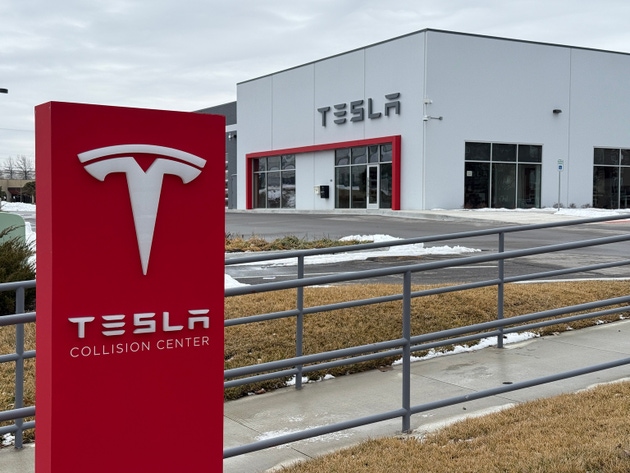
Tesla has officially transitioned the Cybercab into the production phase, marking a pivot in the company's manufacturing roadmap. The shift toward this autonomous platform represents a departure from traditional vehicle assembly lines, focusing instead on a design optimized for ride-hailing utility rather than individual consumer ownership. This transition alters the narrative surrounding the company's near-term output capacity and its ability to scale specialized hardware.
Manufacturing Strategy and Platform Integration
The move to production for the Cybercab forces a re-evaluation of how Tesla allocates its existing factory footprint. By prioritizing a vehicle that lacks manual controls, the company is signaling a commitment to a specific vision of autonomous transit that relies on software-defined operational efficiency. The success of this transition depends on the integration of manufacturing processes that differ significantly from the high-volume production of the Model 3 or Model Y. Investors are now looking for evidence that the Cybercab can achieve cost parity with existing fleet vehicles while maintaining the necessary safety and regulatory standards for driverless operation.
Sector Read-through and Competitive Positioning
The introduction of a dedicated autonomous vehicle into the production cycle impacts the broader consumer discretionary sector. As Tesla moves to solidify its position in the autonomous space, competitors are forced to reconcile their own development timelines with the reality of a new hardware entrant. The focus on the Cybercab suggests that the company is prioritizing long-term service revenue models over the cyclical nature of traditional automotive sales. This shift is particularly relevant given the current volatility in the sector, where capital expenditure is increasingly scrutinized against the backdrop of slowing consumer demand for standard electric vehicles.
AlphaScala Data and Market Context
Tesla TSLA currently holds an Alpha Score of 33/100, reflecting a Weak status with the stock trading at $373.72 following a 3.56% decline today. This performance highlights the sensitivity of the stock to shifts in production strategy and the ongoing debate regarding the timeline for full autonomy. For further context on how sector-wide shifts are impacting major indices, see our latest market analysis.
The next concrete marker for this transition will be the release of quarterly production figures that explicitly detail the volume of Cybercab units relative to the core vehicle lineup. Market participants will monitor these filings to determine if the production ramp-up aligns with the company's stated goals for autonomous fleet deployment. Any delays in scaling this specific architecture could lead to a reassessment of the company's valuation multiples, which are heavily tied to the successful execution of its autonomous software and hardware ecosystem.