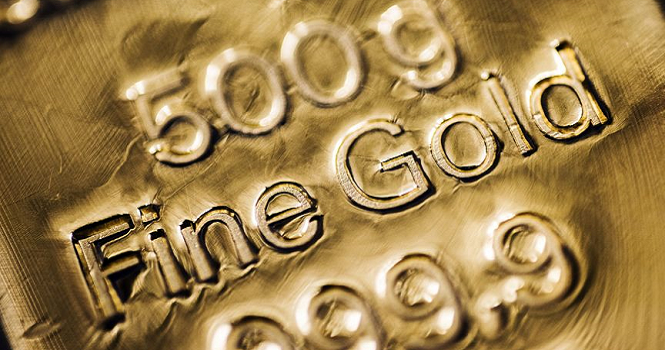
Gold prices have retreated below the $4,700 per ounce threshold, marking a distinct shift in momentum as the precious metal heads toward a weekly decline. The primary driver behind this move is the persistent pressure from global monetary tightening cycles, which continue to elevate the opportunity cost of holding non-yielding assets. As central banks maintain a hawkish stance to combat lingering inflation, the appeal of gold as a hedge has been tempered by the strength of competing interest-bearing instruments.
Geopolitical Stagnation and Risk Premiums
The recent stall in peace negotiations between the United States and Iran has removed a layer of immediate urgency from the market. While geopolitical tensions often provide a floor for gold prices, the lack of progress in diplomatic channels has transitioned into a period of market indifference. Investors are no longer pricing in an imminent escalation, leading to a withdrawal of the risk premium that had previously supported higher valuations. This cooling of sentiment reflects a broader trend in commodities analysis where the absence of new, actionable headlines allows macroeconomic fundamentals to regain dominance.
Monetary Tightening and Inflationary Constraints
Beyond the geopolitical landscape, the structural weight of monetary policy remains the dominant force. Sustained interest rates increase the yield on government bonds, which directly competes with gold for capital allocation. The current environment forces a re-evaluation of gold's role as a primary inflation hedge, particularly when central bank policy remains committed to restrictive territory. The following factors are currently shaping the price action:
- The strengthening of real yields, which reduces the attractiveness of gold relative to fixed-income assets.
- A shift in investor focus toward short-term liquidity, favoring cash and high-yield instruments over physical commodity holdings.
- The dissipation of safe-haven demand as market participants adjust to a prolonged period of high interest rates.
AlphaScala data currently assigns ON Semiconductor Corporation an Alpha Score of 45/100, reflecting a mixed outlook within the technology sector. While this score is specific to the semiconductor industry, it underscores the broader market trend of capital rotating out of assets sensitive to interest rate volatility. As investors monitor the gold profile for signs of a reversal, the focus shifts toward upcoming central bank policy meetings and inflation data releases. These events will serve as the next concrete markers for whether the metal can reclaim its recent highs or if it will face further downward pressure as the market reconciles with a higher-for-longer interest rate environment.