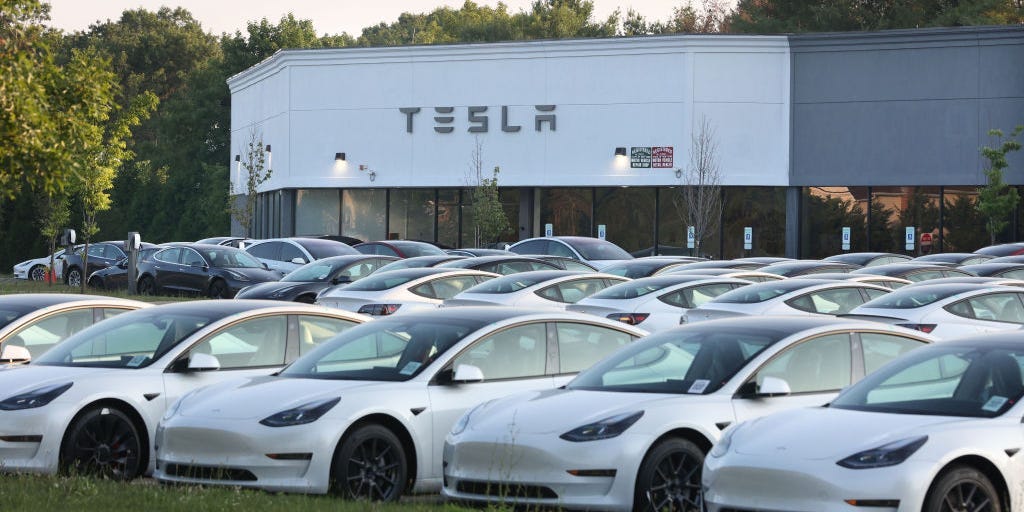
Tesla has clarified that a significant portion of its existing fleet lacks the necessary hardware to achieve full autonomy. The company is now signaling that older vehicles, specifically those equipped with legacy computer systems and camera arrays, will not be capable of supporting the full suite of autonomous driving features. This shift effectively creates a hard ceiling for the utility of older models, forcing owners who desire advanced capabilities to consider trade-ins for newer hardware iterations.
Hardware Obsolescence and Fleet Segmentation
The distinction between vehicle generations now hinges on the integration of specific computing power and sensor suites. Tesla is positioning the upgrade path as a hardware-centric transition, requiring newer cameras and more robust processing units to handle the complexities of full self-driving software. For owners of older units, this means the software-defined vehicle narrative has reached a physical limit. The inability to bridge this gap via over-the-air updates alone shifts the burden of technological advancement onto the consumer.
This segmentation of the fleet creates a clear divide in the secondary market. Vehicles lacking the latest hardware may see their value profiles decouple from those that can support the full autonomous stack. As the company pushes for higher adoption rates of its latest driving software, the pressure on owners to upgrade their hardware becomes a primary driver for new vehicle sales. This strategy effectively turns the installed base into a pipeline for hardware refreshes rather than just a platform for software-only monetization.
Impact on Consumer Lifecycle and Valuation
The requirement for physical hardware upgrades introduces a new variable into the long-term ownership model of electric vehicles. Historically, software updates were expected to extend the relevance of older cars. By explicitly excluding older models from full autonomy, Tesla is resetting expectations regarding the longevity of its vehicle technology. This move forces a re-evaluation of how depreciation is calculated for vehicles that are no longer eligible for the company's most advanced features.
Investors should monitor how this hardware-gated strategy influences the replacement cycle of the current fleet. If a large segment of the user base opts to trade in their vehicles to gain access to full autonomy, it could provide a temporary boost to delivery numbers. However, it also risks alienating a portion of the customer base that expected longer-term feature parity. The shift highlights the tension between maintaining a legacy fleet and pushing the boundaries of new, hardware-intensive software capabilities.
AlphaScala data shows that TSLA currently holds an Alpha Score of 36/100 with a mixed label, trading at $387.51. This valuation reflects the ongoing complexities of balancing aggressive software rollouts with the physical constraints of an aging fleet. For broader context on how such shifts impact the stock market analysis landscape, the focus remains on whether these hardware requirements will accelerate or hinder the adoption of autonomous features among the existing user base.
The next concrete marker for this narrative will be the release of updated trade-in incentives or specific hardware retrofit programs that clarify the cost of entry for owners of legacy vehicles. These programs will serve as a bellwether for how effectively the company can transition its existing users into the next generation of autonomous-ready hardware.