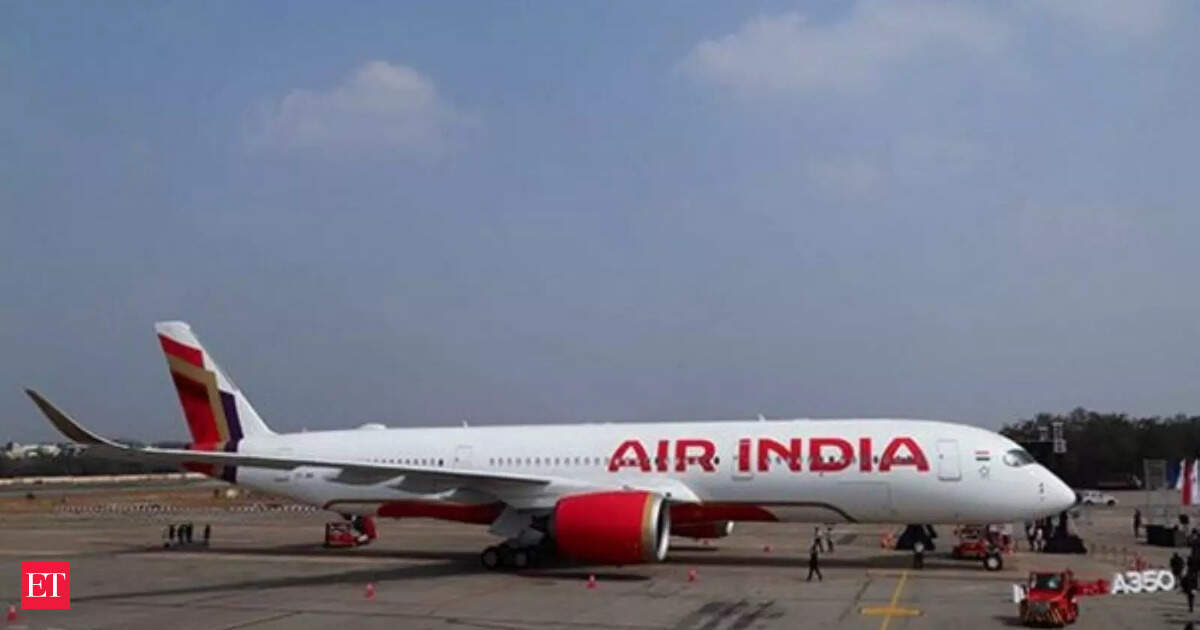
Singapore Airlines Increases Operational Oversight at Air India

Singapore Airlines is embedding executives into Air India's flight and engineering divisions to address persistent financial losses and safety challenges.
Alpha Score of 55 reflects moderate overall profile with moderate momentum, moderate value, moderate quality. Based on 3 of 4 signals — score is capped at 90 until remaining data ingests.
HASBRO, INC. currently screens as unscored on AlphaScala's scoring model.
Alpha Score of 57 reflects moderate overall profile with weak momentum, strong value, moderate quality, weak sentiment.
Alpha Score of 70 reflects moderate overall profile with strong momentum, strong value, moderate quality, moderate sentiment.
Singapore Airlines is expanding its influence within Air India by embedding its own executives into critical operational departments. This shift marks a transition from a minority stake partnership to a more direct management role, specifically targeting the airline's flight operations and engineering divisions. The intervention follows a period of persistent financial strain and recurring safety concerns that have complicated the carrier's post-privatization turnaround strategy.
Operational Integration and Management Shift
The decision to place Singapore Airlines personnel in key functional roles suggests that the current oversight structure under Tata Group has reached a limit in addressing systemic inefficiencies. By integrating seasoned executives into the flight and engineering wings, the partnership aims to standardize maintenance protocols and operational safety procedures. This move is intended to stabilize the airline's core service delivery, which has struggled to keep pace with the aggressive expansion plans initiated after the acquisition. The involvement of Singapore Airlines executives provides a direct line of expertise to address the technical and safety hurdles that have hindered the carrier's reputation.
Financial Recovery and Strategic Alignment
Air India currently faces significant fiscal pressure, characterized by record losses that threaten the long-term viability of its fleet modernization program. The Tata Group has largely focused on broader corporate restructuring and administrative consolidation, leaving a gap in specialized aviation management. By delegating operational control to Singapore Airlines, the parent company is attempting to isolate and rectify the specific cost centers that are driving the current deficit. This realignment is essential for the airline to improve its unit economics before it can effectively compete on international routes against established global carriers.
AlphaScala data currently reflects a broader environment of volatility across the transportation and industrial sectors, where operational efficiency remains the primary driver of valuation. Investors monitoring these shifts should look toward the stock market analysis for broader trends in how legacy carriers manage integration risks during periods of high capital expenditure. The effectiveness of this management shift will be measured by the airline's ability to reduce maintenance-related flight delays and improve its overall safety audit performance in the coming quarters.
The Path to Operational Stability
The next concrete marker for this transition will be the upcoming quarterly safety and financial performance reports. These filings will indicate whether the direct involvement of Singapore Airlines has successfully reduced the frequency of technical incidents and lowered the operational burn rate. If these metrics fail to show improvement, the partnership may face pressure to further consolidate management control or reconsider the scope of its current investment strategy. The success of this intervention hinges on the ability of the embedded executives to enforce rigorous operational standards across a legacy workforce.
AI-drafted from named sources and checked against AlphaScala publishing rules before release. Direct quotes must match source text, low-information tables are removed, and thinner or higher-risk stories can be held for manual review.