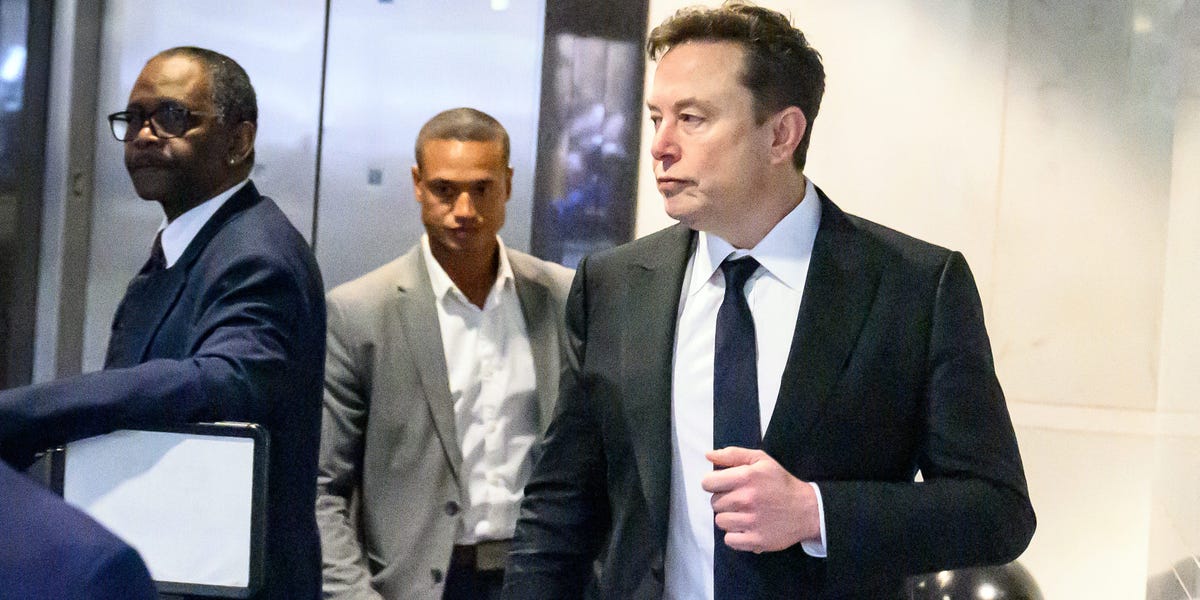
The courtroom proceedings in Oakland have centered on the high-stakes legal dispute between Elon Musk and OpenAI. The testimony provided by the Tesla CEO marks a critical juncture in the litigation, as the court evaluates claims regarding the organization's founding mission and subsequent corporate evolution. The atmosphere surrounding the courthouse reflected the significance of the testimony, with significant public and media interest focused on the arguments presented before the presiding judge.
Legal Strategy and Corporate Governance
The testimony focused on the transition of OpenAI from its original structure to its current operational model. Musk addressed the foundational agreements and the perceived shift in the company's commitment to its initial goals. For observers of the stock market analysis, the testimony serves as a window into the governance tensions that often define the relationship between high-profile founders and the entities they help establish. The legal arguments hinge on whether the shift in corporate direction constitutes a breach of original contractual or fiduciary obligations.
Impact on Tesla and Sector Sentiment
Tesla Inc. (TSLA) shares continue to navigate a complex environment as investors weigh the implications of Musk's various legal and corporate commitments. The stock is currently trading at $390.82, reflecting a 2.41% increase during today's session. Despite the volatility associated with high-profile litigation, the company maintains an Alpha Score of 36/100, categorized as Mixed. This score reflects the ongoing tension between the company's core automotive performance and the external pressures surrounding its leadership. Investors tracking TSLA stock page are monitoring how these legal developments influence broader sentiment within the Consumer Discretionary sector.
The Path Toward Resolution
The next phase of the trial will likely involve further examination of internal communications and corporate filings that detail the evolution of OpenAI. The court's schedule remains rigid, suggesting that the evidentiary phase will proceed without significant delay. The primary catalyst for market participants remains the eventual judicial ruling, which could set a precedent for how non-profit-to-for-profit transitions are handled in the artificial intelligence sector. Future filings from both parties will be the primary indicator of whether a settlement is possible or if the case will proceed to a full verdict.