Stocks● Neutral
Supreme Court Grants Bail After Rats Consume Bribe Evidence
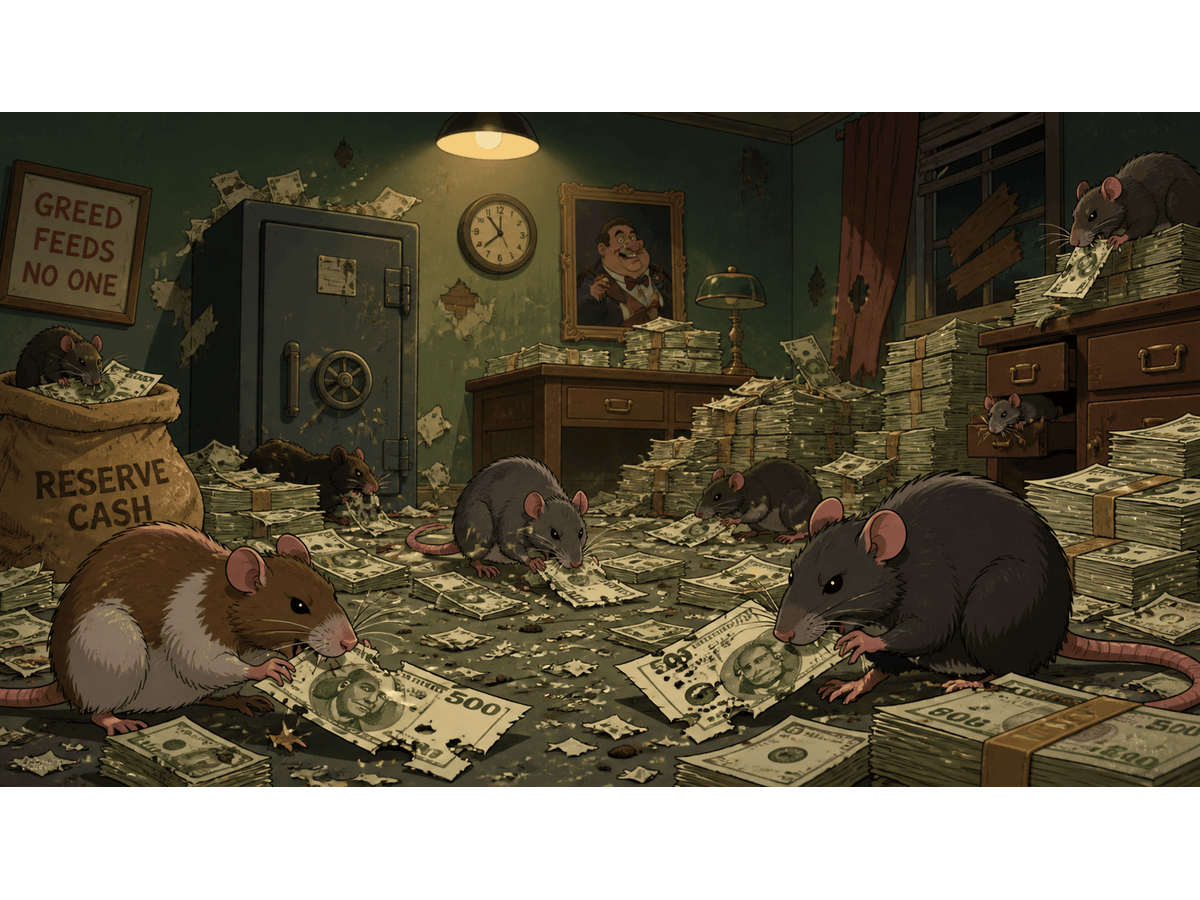
The Supreme Court granted bail to an official in a 10,000 rupee bribery case after evidence was destroyed. The ruling highlights critical evidence chain flaws.
Continue with
The Supreme Court has suspended the jail sentence and granted bail to a government official involved in a bribery case where the seized currency was allegedly destroyed by rodents. The case centers on a 10,000 rupee bribe demand that became the subject of a prolonged legal dispute following the disappearance of the physical evidence while in police custody.
Judicial Scrutiny of Evidence Handling
The legal proceedings gained attention after the Patna High Court reviewed the circumstances surrounding the missing currency. The Economic Offence Unit had originally received a complaint from a citizen alleging that the official demanded a bribe of 10,000 rupees to perform an official duty. When the authorities seized the cash as evidence, the subsequent claim that rats had consumed the notes created a significant procedural hurdle for the prosecution.
This development highlights the vulnerability of physical evidence in administrative corruption cases. The Supreme Court intervention effectively pauses the custodial sentence, shifting the focus toward the integrity of the evidence chain. The court decision reflects a pragmatic approach to the evidentiary vacuum created by the destruction of the bribe money, which was central to the state's case against the officer.