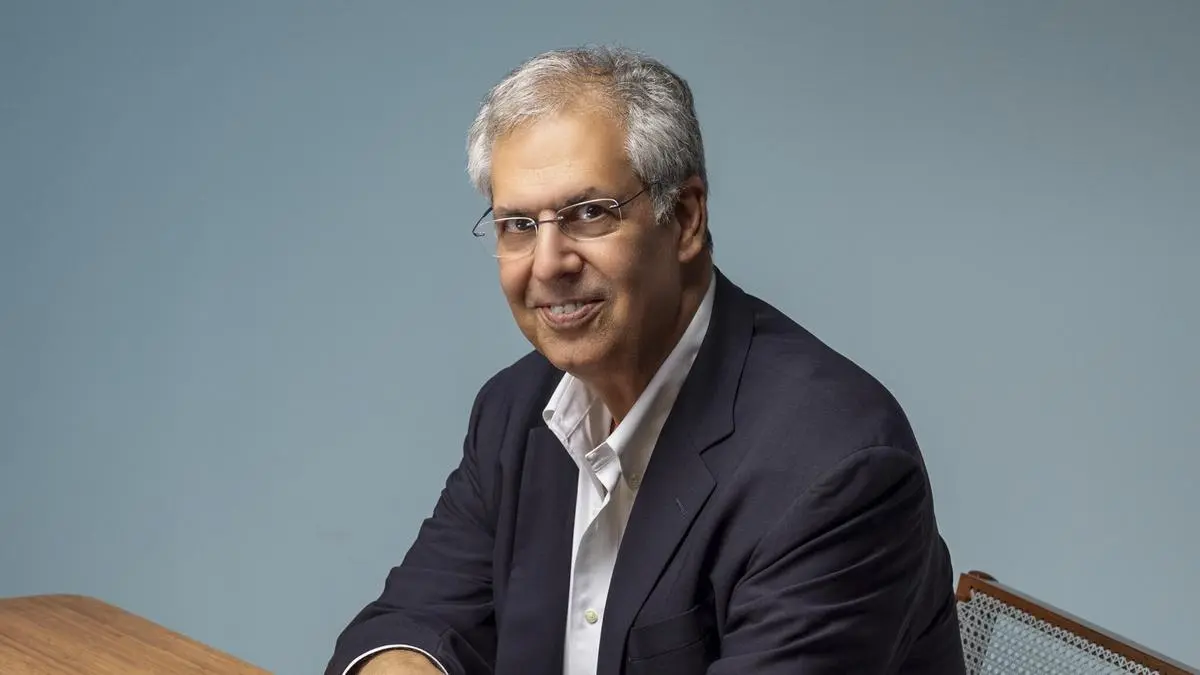
Tata Trusts meets Friday to potentially replace Venu Srinivasan with Bhaskar Bhat as a Tata Sons director, signaling a move to keep the firm unlisted.
Ally Financial Inc. currently carries an Alpha Score of n/a, giving AlphaScala's model a neutral read on the setup.
The board of Tata Trusts convenes this Friday to evaluate a potential reconfiguration of its representation on the board of Tata Sons. Sources indicate that the primary agenda item involves the possible replacement of Venu Srinivasan with Bhaskar Bhat as a nominee director. This shift would alter the composition of the two-person nominee delegation currently held by Srinivasan and Tata Trusts chairman Noel Tata.
The proposed change follows a period of internal friction regarding the long-term corporate structure of the conglomerate. Srinivasan and former director Vijay Singh previously expressed support for a public listing of Tata Sons. This stance stands in direct opposition to the position held by Noel Tata, who has consistently advocated for maintaining the company as an unlisted entity. The departure of Vijay Singh in September of last year, following a vote against his reappointment by a faction of trustees led by Mehli Mistry, created the current vacancy and set the stage for this shift in influence.
Bhaskar Bhat, who joined the board of Sir Dorabji Tata Trust in November alongside Neville Tata, is widely viewed as a close ally of Noel Tata. His appointment to the Tata Sons board would likely consolidate control for the current chairman. By replacing a proponent of a public listing with a loyalist, the board aims to ensure that future resolutions regarding the company’s status remain aligned with the existing policy of keeping Tata Sons private. The board of Tata Sons has historically passed unanimous resolutions to avoid a public offering, and the introduction of Bhat is expected to reinforce this consensus.
For those tracking stock market analysis, the significance of this meeting lies in the mechanics of corporate governance within the Tata group. The Tata Trusts hold a controlling interest in Tata Sons, making the selection of nominee directors the primary lever for steering the group's strategic direction. If the board moves to replace Srinivasan, it effectively signals that Noel Tata is actively strengthening his support base to prevent any deviation from the current ownership structure.
While the market often speculates on the potential value unlock of a public listing for a conglomerate of this size, the governance reality remains tethered to the unanimous resolutions previously passed by the boards of both Tata Sons and Tata Trusts. Any reversal of this policy would require a formal revisit of these resolutions. The inclusion of Bhat effectively creates a firewall against such a reversal. Investors should note that the internal consolidation of power under Noel Tata suggests a continuation of the status quo regarding the group's capital structure.
The transition is not merely a personnel change but a strategic pivot to resolve the tension between the trustees. The influence of Mehli Mistry in the previous removal of Vijay Singh demonstrates that the board of trustees is not a monolith. However, by placing a trusted associate like Bhat into a key nominee role, Noel Tata is attempting to streamline the decision-making process at the holding company level.
If the vote on Friday confirms the appointment of Bhat, the immediate consequence will be a reduction in the internal pressure to pursue an IPO for Tata Sons. This move effectively sidelines the voices that previously challenged the unlisted status of the firm. The board's ability to maintain a unanimous front on this issue is the primary indicator of stability within the group's leadership structure. Any failure to secure a unanimous vote on Friday would suggest that the internal divide remains unresolved, potentially leading to further volatility in the governance of the conglomerate.
AI-drafted from named sources and checked against AlphaScala publishing rules before release. Direct quotes must match source text, low-information tables are removed, and thinner or higher-risk stories can be held for manual review.