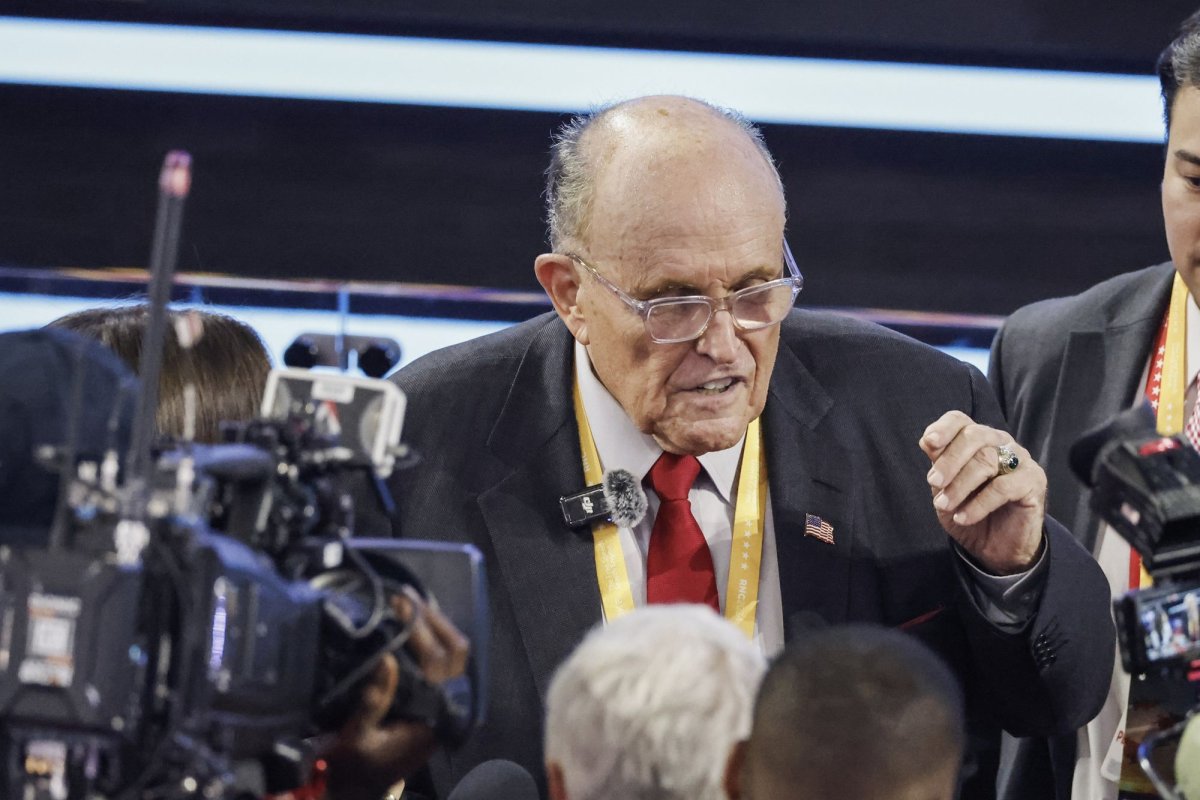
Former New York Mayor Rudy Giuliani is currently hospitalized in critical but stable condition, according to a statement released Sunday by his spokesman, Ted Goodman. While the specific medical cause for the hospitalization of the 81-year-old remains undisclosed, the event arrives at a juncture where Giuliani’s legal and financial entanglements have already reshaped the landscape for political figures associated with the 2020 election challenges. The news of his condition prompted a public response from former President Donald Trump, who characterized Giuliani as a warrior on his Truth Social platform.
This development occurs against a backdrop of significant legal volatility for Trump-aligned figures. In November, Donald Trump issued pardons for Giuliani and 76 other individuals involved in efforts to contest the 2020 election results. These efforts included the creation of false slates of electors in battleground states, a strategy that triggered extensive litigation and regulatory scrutiny. The legal pressure on these individuals has been persistent, with a special prosecutor recently appointed to replace Fani Willis in the Georgia election interference case, a move that alters the procedural trajectory of that specific prosecution.
For market observers and those tracking the intersection of political risk and institutional stability, the financial fallout from these legal battles is a critical component of the broader narrative. Giuliani’s involvement in the campaign to challenge election results led to severe personal and professional consequences, including his disbarment in both New York and Washington, D.C. Furthermore, he faced a $1.3 billion defamation lawsuit filed by Dominion Voting Systems. While he reached a confidential settlement in that case this past September, the scale of the initial claim underscores the potential for massive liability when political advocacy intersects with corporate defamation.
Legal Exposure and Financial Contagion
The settlement with Dominion serves as a primary case study for the financial risks inherent in high-stakes political litigation. When entities or individuals are named in multi-billion dollar suits, the resulting liquidity strain often forces a restructuring of assets or, in some cases, insolvency. While Giuliani’s settlement was confidential, the preceding legal costs and the loss of his law license represent a total erosion of his primary professional revenue streams. For other political figures currently navigating similar legal pipelines, the precedent suggests that the cost of defense can rapidly outpace available liquid capital, necessitating complex settlement negotiations or external financial support.
Institutional Read-Throughs
The broader implications for firms and institutions tied to these figures involve operational and reputational risk management. Financial services firms, such as those listed on our ALLY stock page, often maintain strict compliance protocols regarding the political activities of their high-profile clients to avoid association with legal volatility. When a figure like Giuliani faces both health crises and a history of high-profile litigation, the secondary effects on his remaining business interests can be unpredictable. Market participants should note that the legal risk to Trump-aligned figures does not end with a pardon; the civil litigation landscape remains active, and the potential for further settlements or judgments remains a persistent variable.
Assessing the Risk Trajectory
To understand the future of this risk event, one must look at the remaining active litigation. The appointment of a new special prosecutor in the Georgia case indicates that the state-level legal challenges are not being abandoned despite federal-level pardons. This creates a dual-track risk environment where federal immunity does not necessarily translate to state-level protection. The market for political risk insurance and the stability of legal defense funds will likely remain sensitive to these developments. If further legal actions are initiated against other figures involved in the 2020 election challenges, we can expect continued volatility in the legal and political consulting sectors.
Ultimately, the hospitalization of a figure so central to these ongoing legal dramas adds a layer of uncertainty to the proceedings. If Giuliani is unable to participate in future depositions or legal strategy sessions, the defense strategies for other co-defendants may need to be recalibrated. This shift could lead to more aggressive plea deals or, conversely, a hardening of positions as remaining defendants attempt to distance themselves from the legal liabilities of their peers. The situation remains fluid, and the primary indicator of further risk will be the pace of the Georgia prosecution and any subsequent civil filings against the remaining members of the former president’s legal team. For those monitoring stock market analysis, the intersection of these legal outcomes and broader regulatory shifts remains a key area of focus.