Stocks● Neutral
Tamil Nadu Political Shift After DMK Lok Sabha Election Loss
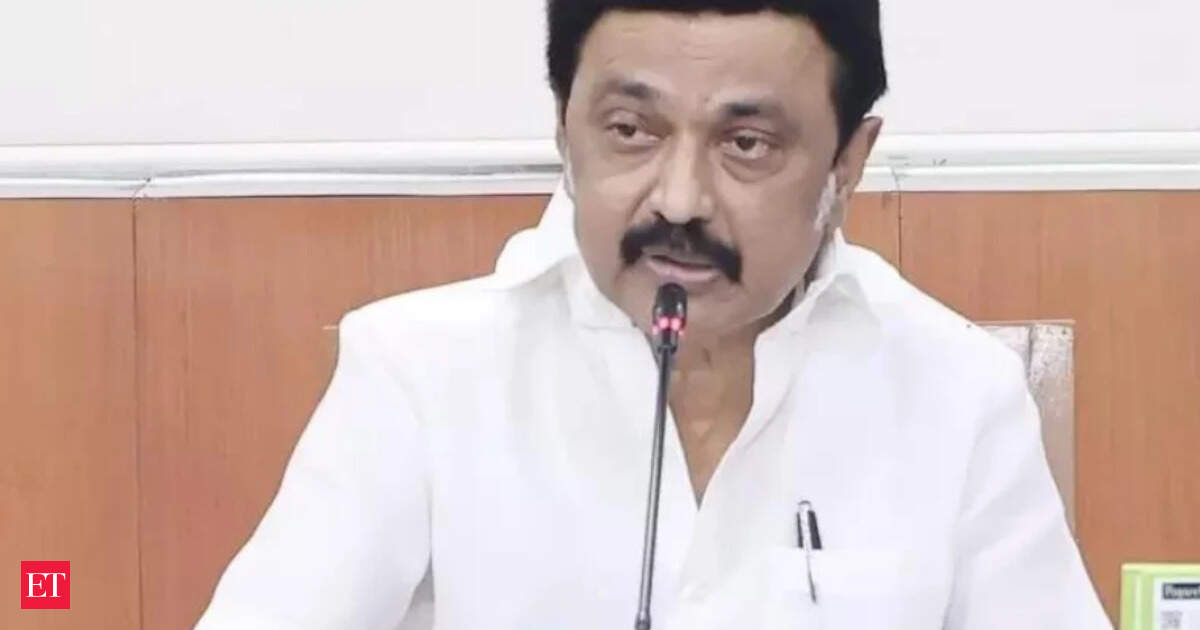
Tamil Nadu Governor accepts CM M K Stalin's resignation following a DMK election defeat. The rise of Vijay's TVK signals a major shift in regional policy.
Continue with
Tamil Nadu Governor Rajendra Vishwanath Arlekar has formally accepted the resignation of Chief Minister M K Stalin and his entire council of ministers. This administrative transition follows the decisive defeat of the DMK party in the Lok Sabha elections concluded on April 23. While the resignation has been processed, the Governor has requested that Stalin remain in a caretaker capacity to ensure continuity of governance until a new administration is formed.
The political landscape in the state has shifted significantly following the emergence of the TVK, led by Vijay, as the largest party in the election results. This outcome represents a major realignment in regional power dynamics, moving away from the established dominance of the DMK. For market observers and institutional investors, the primary concern now centers on the stability of the state's policy environment and the potential for shifts in regional economic priorities.
Regional Governance and Policy Continuity
The transition from a long-standing administration to a new political configuration often introduces a period of uncertainty regarding pending infrastructure projects and state-level fiscal commitments. Investors typically look for signals regarding whether the incoming leadership will maintain existing industrial incentives or pivot toward a new economic agenda. Because the DMK has been a central pillar of Tamil Nadu's governance for years, the shift to a TVK-led plurality suggests that the state's legislative priorities will undergo a structural review.