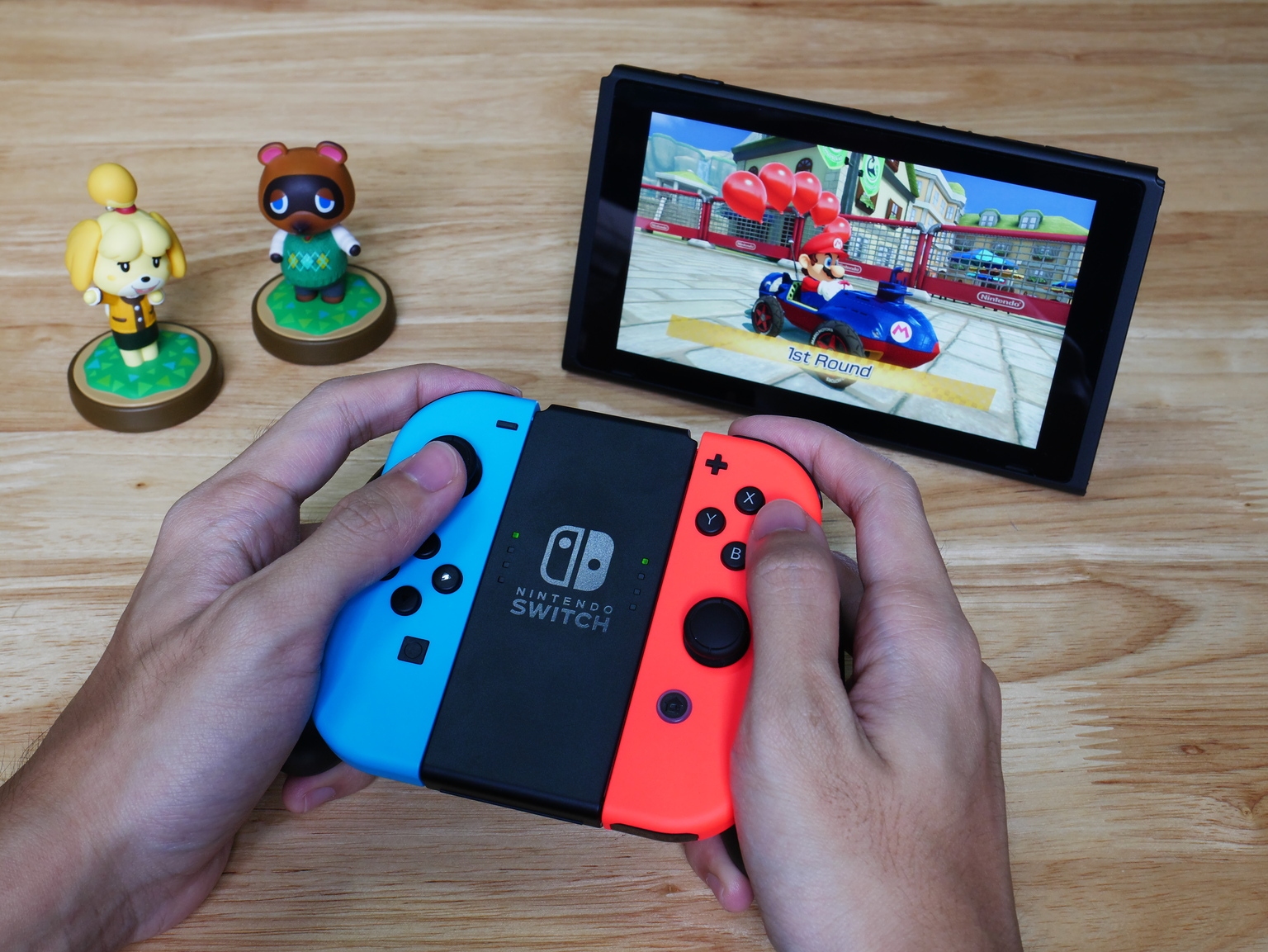
Nintendo's $14.65 billion cash position offers a buffer against hardware cycle risks. The valuation now reflects long-term franchise strength over volatility.
Alpha Score of 57 reflects moderate overall profile with moderate momentum, moderate value, moderate quality, moderate sentiment.
Nintendo Co., Ltd. (NTDOY) has entered a valuation range that warrants a shift in perspective for those focused on long-term intellectual property cycles rather than immediate hardware sales. The market is currently pricing the stock based on the tail end of the Switch lifecycle, creating a disconnect between current hardware headwinds and the underlying strength of the company's balance sheet. With $14.65 billion in cash and equivalents, the firm possesses the liquidity to navigate the transition to next-generation hardware without compromising its development pipeline or dividend policy.
The primary risk for Nintendo remains the inevitable decline in sales as the current console ages. Investors often treat this as a permanent impairment of earnings power, but the historical pattern for the company suggests a cyclical trough rather than a structural decline. The $14.65 billion cash pile serves as a critical buffer, allowing the firm to fund research and development for its next platform while maintaining its core franchise output. This liquidity position is the most important metric for assessing the company's ability to survive the gap between major hardware releases.
Beyond the hardware, the company's valuation is increasingly supported by its transition into a broader entertainment entity. By leveraging its intellectual property through film, theme parks, and merchandise, Nintendo is diversifying its revenue streams away from pure hardware-software cycles. This shift changes the risk profile of the stock, as the value of its franchises remains high even when console sales are at their lowest point in the cycle. The current market price fails to account for this non-gaming revenue growth, which provides a floor for the company's valuation during periods of low hardware demand.
For those evaluating the stock, the decision point rests on the timing of the next hardware announcement. While the balance sheet provides safety, the stock price will likely remain range-bound until there is concrete information regarding the successor to the Switch. The risk is not one of insolvency or operational failure, but of opportunity cost during the lull in the release schedule. Investors should monitor the company's R&D spend and software release cadence as indicators of the proximity of the next cycle. A failure to maintain software output during this transition would be a negative signal, whereas sustained engagement metrics across its existing library would confirm the resilience of the brand. Understanding these dynamics is essential for stock market analysis when considering companies with high cyclicality and strong cash positions. The next concrete marker will be the company's guidance on its upcoming fiscal year, which will provide the first real look at how management plans to bridge the gap between its current hardware and the next generation of gaming platforms.
AI-drafted from named sources and checked against AlphaScala publishing rules before release. Direct quotes must match source text, low-information tables are removed, and thinner or higher-risk stories can be held for manual review.