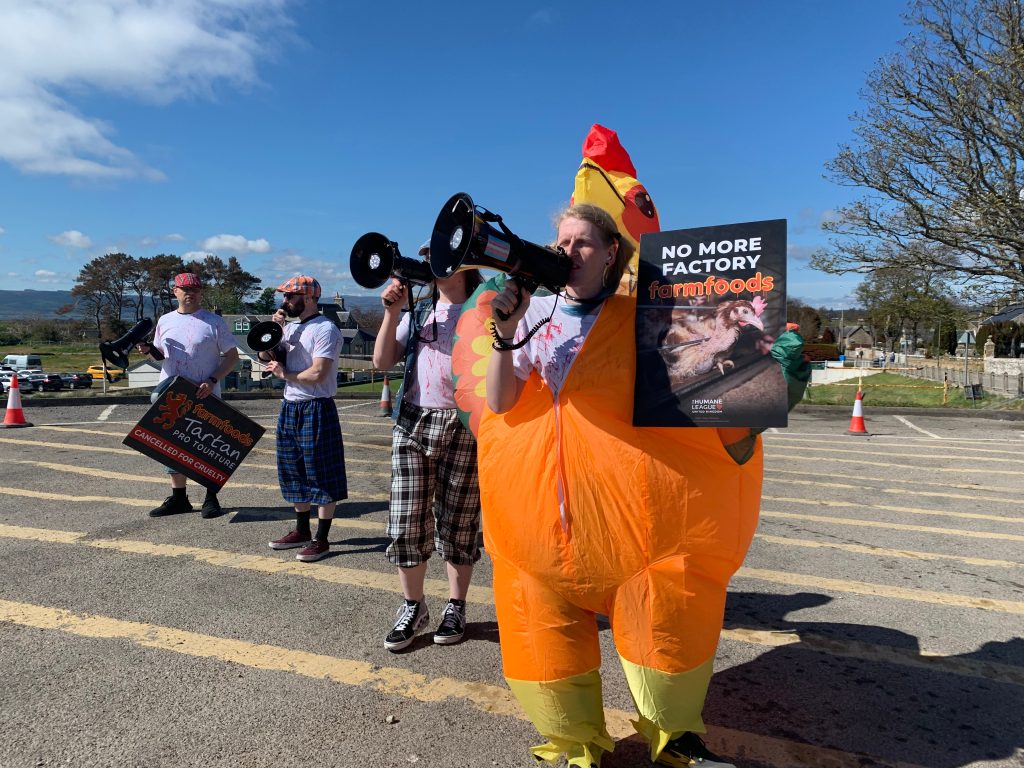
Animal welfare activists disrupted a Farmfoods-sponsored event this week, centering their protest on the supermarket chain's continued sale of eggs sourced from caged hens. The demonstration signals a growing trend where retail brands face direct operational interference due to their procurement policies. While the event itself was localized, it highlights the increasing pressure on food retailers to align their supply chains with evolving consumer and ethical standards regarding animal welfare.
Operational Risks in Retail Procurement
The disruption at the Farmfoods event serves as a reminder that procurement decisions are no longer isolated from public-facing operations. Retailers that maintain traditional sourcing models for commodities like eggs are increasingly vulnerable to targeted campaigns that can impact event logistics and brand reputation. When activists shift focus from digital advocacy to physical disruption, the cost of maintaining legacy supply chain practices rises. This incident forces a re-evaluation of how companies manage the transition toward cage-free inventory without incurring significant margin pressure or supply shortages.
Sector-Wide Sourcing Transitions
The broader retail sector has spent years navigating the shift toward cage-free egg mandates, with many competitors already committing to full phase-outs. Farmfoods now finds itself in a position where its sourcing strategy acts as a focal point for activist attention. This creates a binary outcome for the company. It must either accelerate its transition to meet external demands or prepare for sustained operational friction at public events and retail locations. Investors often monitor these transitions as proxies for management's ability to anticipate and mitigate non-financial risks that eventually impact the bottom line.
AlphaScala Data and Market Context
Retailers operating in the consumer cyclical space often face similar pressures regarding supply chain transparency and ethical sourcing. For companies like Amer Sports, Inc., which holds an Alpha Score of 47/100, the focus remains on brand positioning and consumer sentiment, much like the current situation facing Farmfoods. You can track broader sector trends through our stock market analysis to understand how these non-financial pressures correlate with long-term valuation shifts. While Farmfoods is a private entity, the ripple effects of such protests are frequently observed in the public markets, where companies like AT&T Inc. (Alpha Score 57/100) must also balance service delivery with evolving stakeholder expectations. See the AS stock page or T stock page for further comparisons on how sector-specific scores reflect operational stability.
The next concrete marker for this narrative will be any formal response from Farmfoods regarding its procurement timeline. If the company issues a revised commitment to phase out caged eggs, it may de-escalate the situation. Conversely, a refusal to adjust sourcing policies will likely lead to further disruptions, forcing the company to weigh the cost of supply chain reform against the potential for ongoing reputational and operational damage. Monitoring future corporate filings or public statements regarding sustainability goals will be essential to gauge how the firm intends to navigate this pressure point.