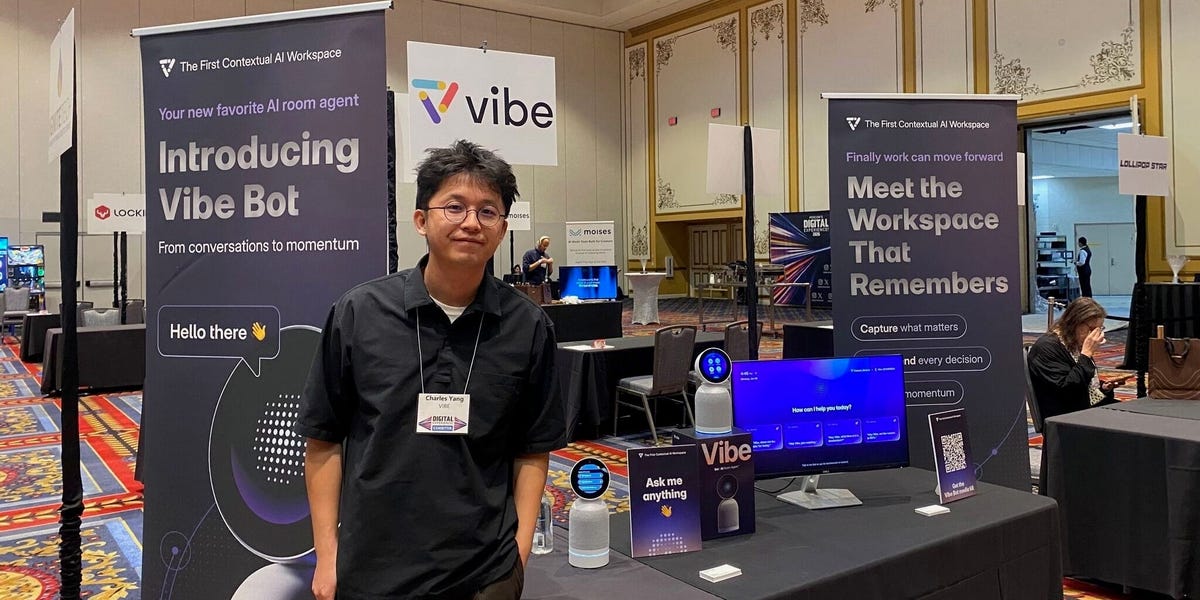
The operational framework for scaling a technology company differs significantly between the United States and China. Founders who have navigated both environments often cite the predictability of the American playbook as a primary driver for long-term sustainability. While the Chinese market rewards rapid, aggressive iteration and high-intensity growth cycles, the US market prioritizes structured scalability and adherence to established capital allocation norms.
Structural Advantages of the US Playbook
The American model relies on a standardized approach to venture capital, legal compliance, and talent acquisition. This consistency allows founders to focus on product-market fit rather than navigating shifting regulatory landscapes or localized competitive pressures. In the US, the path from seed funding to exit follows a well-trodden sequence of milestones that investors and stakeholders recognize. This transparency reduces the friction associated with scaling operations across different regions.
Conversely, the Chinese startup environment demands a higher degree of adaptability to local market nuances. Success in that region often requires deep integration with domestic platforms and a willingness to pivot business models in response to rapid changes in consumer behavior or government policy. For founders, the US system offers a more stable environment for long-term planning, whereas the Chinese system favors those who can execute at high velocity within a volatile framework.
Sector Read-Through and Capital Efficiency
Investors evaluating companies in the technology and consumer cyclical sectors often look for these operational markers to determine the potential for sustained growth. Companies that adopt the US-centric model of disciplined expansion often show higher capital efficiency over multi-year periods. This is particularly relevant for firms operating in competitive spaces where margins are sensitive to operational overhead.
AlphaScala data currently reflects the mixed sentiment surrounding various players in these sectors. For instance, ON Semiconductor Corporation holds an Alpha Score of 46/100, while Amer Sports, Inc. sits at 47/100, both categorized as Mixed. These scores highlight the ongoing challenge of maintaining operational consistency in a global market where regional strategies must be carefully balanced against broader stock market analysis trends.
The Path to Operational Maturity
The next marker for founders and investors is the ability to maintain these operational standards during periods of macroeconomic tightening. As companies transition from early-stage growth to mature entities, the reliance on the US playbook becomes a critical factor in maintaining investor confidence. Future filings and guidance updates will reveal which firms have successfully integrated these structural lessons into their core business models. The divergence between these two ecosystems remains a primary consideration for those looking to allocate capital across international borders.