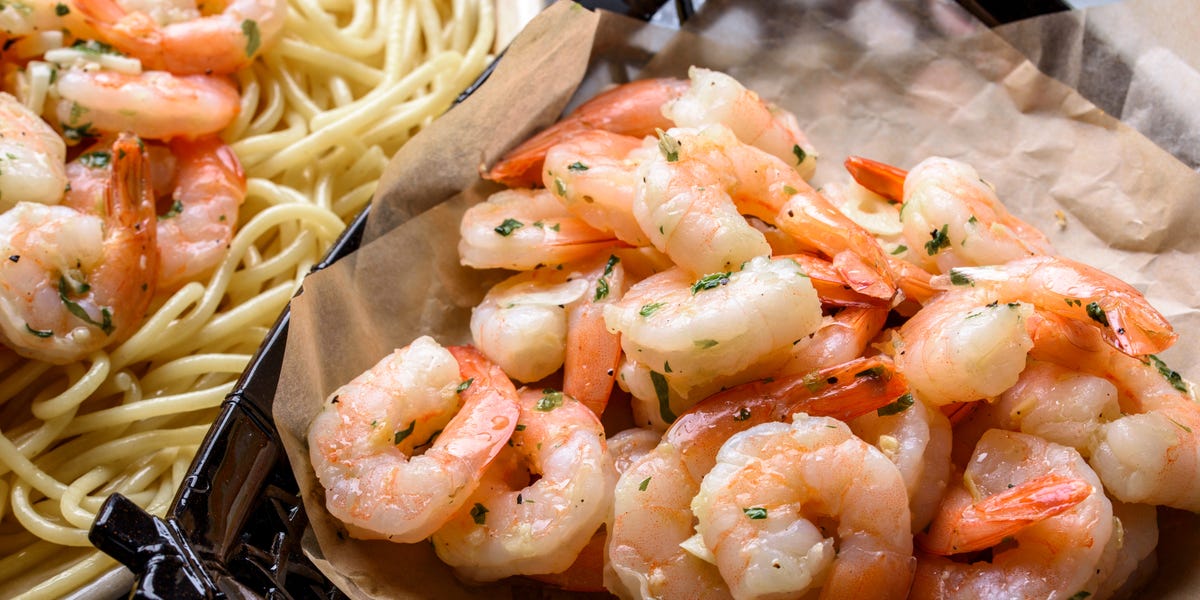
Red Lobster has reintroduced its signature Endless Shrimp promotion, attempting to reclaim the foot traffic that once defined its market position. The return of this offer follows a period where the company explicitly identified the promotion as a primary driver of its financial instability. By bringing back the deal, the restaurant chain is testing whether its core customer base still views the value proposition as a viable incentive to return to its dining rooms.
Operational Strategy and Consumer Sentiment
The current rollout of the Endless Shrimp deal arrives under a different operational context than previous iterations. Early observations suggest that the promotion is not generating the same level of urgency or customer volume that characterized its past success. This shift indicates a potential disconnect between the company's reliance on legacy marketing tactics and the current preferences of its target demographic. The brand is now navigating a landscape where consumers are increasingly selective about discretionary spending, making the success of such volume-based promotions less certain.
Management is attempting to balance the need for immediate revenue generation with the long-term goal of stabilizing the brand's reputation. The decision to lean into a high-cost, high-volume offer suggests a strategy focused on immediate occupancy rates. However, the muted response in key urban markets highlights the difficulty of using past promotional levers to solve modern structural challenges. The company must now determine if the cost of goods sold associated with the shrimp promotion outweighs the marginal gains in store traffic.
Sector Read-Through and Competitive Positioning
The broader casual dining sector is currently observing how legacy brands manage the transition from bankruptcy or restructuring back to growth. Red Lobster's reliance on a known, albeit controversial, promotion serves as a case study for how established chains attempt to re-engage customers after significant operational disruption. While some competitors have shifted toward premiumization or digital-first loyalty programs, Red Lobster's move remains rooted in traditional value-based discounting.
AlphaScala data currently tracks various firms across the technology and communication sectors, such as T stock page with an Alpha Score of 57/100, and NOW stock page with an Alpha Score of 53/100. These scores reflect the ongoing volatility in broader markets where consumer-facing companies are struggling to maintain margins. Investors should monitor whether the restaurant industry follows this trend of returning to legacy promotions or if it continues to pivot toward leaner, more targeted service models.
Future performance will hinge on the company's ability to convert these promotional visits into sustained loyalty. The next concrete marker for this narrative will be the release of updated same-store sales figures following the conclusion of the current promotional cycle. These results will clarify whether the Endless Shrimp strategy provides a genuine path to recovery or if it merely serves as a temporary measure that fails to address deeper issues in the company's business model.