Back to Markets
Stocks● Neutral

Strait of Hormuz Navigation Restrictions Escalate Maritime Risk

Strait of Hormuz Navigation Restrictions Escalate Maritime Risk
ONACALLXAU/USDDXYSPXDJIIXIC

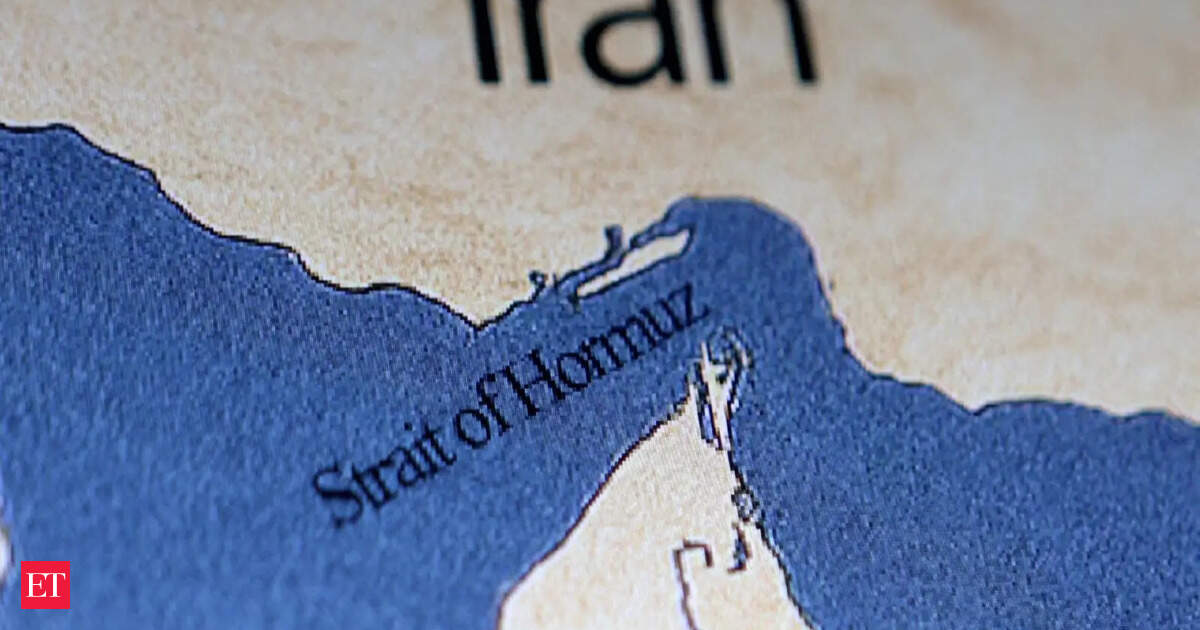
New IRGC navigation restrictions in the Strait of Hormuz, including a ban on military vessels, escalate tensions with the US naval blockade and threaten global energy transit.

AlphaScala Research Snapshot
Live stock context for companies directly referenced in this story
Alpha Score
45
Weak

Alpha Score of 45 reflects weak overall profile with strong momentum, poor value, poor quality, weak sentiment.

Alpha Score
55
Moderate

Alpha Score of 55 reflects moderate overall profile with moderate momentum, moderate value, moderate quality. Based on 3 of 4 signals — score is capped at 90 until remaining data ingests.

Financials
Alpha Score
63
Moderate

Alpha Score of 63 reflects moderate overall profile with strong momentum, weak value, moderate quality, moderate sentiment.

Alpha Score
72
Moderate

Alpha Score of 72 reflects strong overall profile with strong momentum, moderate value, strong quality, moderate sentiment.

This panel uses AlphaScala-native stock data, separate from the source wire linked above.

The Islamic Revolutionary Guard Corps (IRGC) Navy has implemented restrictive navigation protocols within the Strait of Hormuz, mandating that all transit traffic adhere to specific Iranian-designated routes. These directives explicitly prohibit military vessels from utilizing the waterway, a move that directly challenges the current operational status of the strait. This policy shift follows Iran's recent declaration regarding the opening of the passage and occurs against the backdrop of a sustained United States naval blockade targeting Iranian ports.

Operational Constraints on Maritime Transit

The imposition of these navigation rules creates a bifurcated transit environment. By restricting civilian vessels to designated Iranian routes while barring military assets, the IRGC is attempting to assert jurisdictional control over a critical global energy chokepoint. This development complicates the standard freedom of navigation protocols typically observed in international waters. The primary friction point remains the US insistence on maintaining a naval blockade until a comprehensive agreement is reached, effectively creating a standoff between Iranian enforcement actions and US maritime presence.

For global shipping and energy markets, the primary concern is the potential for miscalculation or direct confrontation between IRGC forces and international naval patrols. The restriction on military vessels effectively removes the buffer that typically accompanies naval escorts for commercial tankers. If the IRGC enforces these rules through physical interception or boarding, the risk profile for insurance premiums and vessel routing will shift rapidly. The Strait of Hormuz remains a central artery for global oil supply, and any sustained disruption to transit patterns carries immediate implications for stock market analysis regarding energy producers and logistics providers.

Strategic Implications for Energy Logistics

The current impasse highlights the fragility of maritime corridors when domestic enforcement policies conflict with international naval blockades. While the IRGC directives are framed as a regulatory measure for civilian traffic, the exclusion of military vessels suggests a move to isolate the strait from external oversight. This creates a high-stakes environment where commercial operators must navigate conflicting mandates from two major powers. The inability of military vessels to provide standard security coverage for commercial fleets may force a reassessment of transit schedules and route planning for major energy exporters.

AlphaScala data indicates that volatility in energy-linked equities often correlates with localized maritime friction in the Persian Gulf, particularly when transit volume is threatened by non-standard regulatory changes. The current situation suggests that market participants should monitor the behavior of commercial tankers in the region rather than relying solely on diplomatic updates. The next concrete marker for this situation will be the first reported instance of a commercial vessel being diverted or challenged by the IRGC under these new protocols, or a formal response from the US naval command regarding the enforcement of these transit restrictions. Any move to physically block or inspect vessels will serve as the primary indicator of whether these rules represent a temporary posturing or a permanent shift in the operational control of the strait.

How this story was producedLast reviewed Apr 18, 2026

AI-drafted from named sources and checked against AlphaScala publishing rules before release. Direct quotes must match source text, low-information tables are removed, and thinner or higher-risk stories can be held for manual review.

Editorial Policy·Report a correction·Risk Disclaimer

Asset Profiles