Back to Markets
Stocks● Neutral

Strait of Hormuz Firing Incident Triggers Diplomatic Escalation for India

Strait of Hormuz Firing Incident Triggers Diplomatic Escalation for India
AONASDE

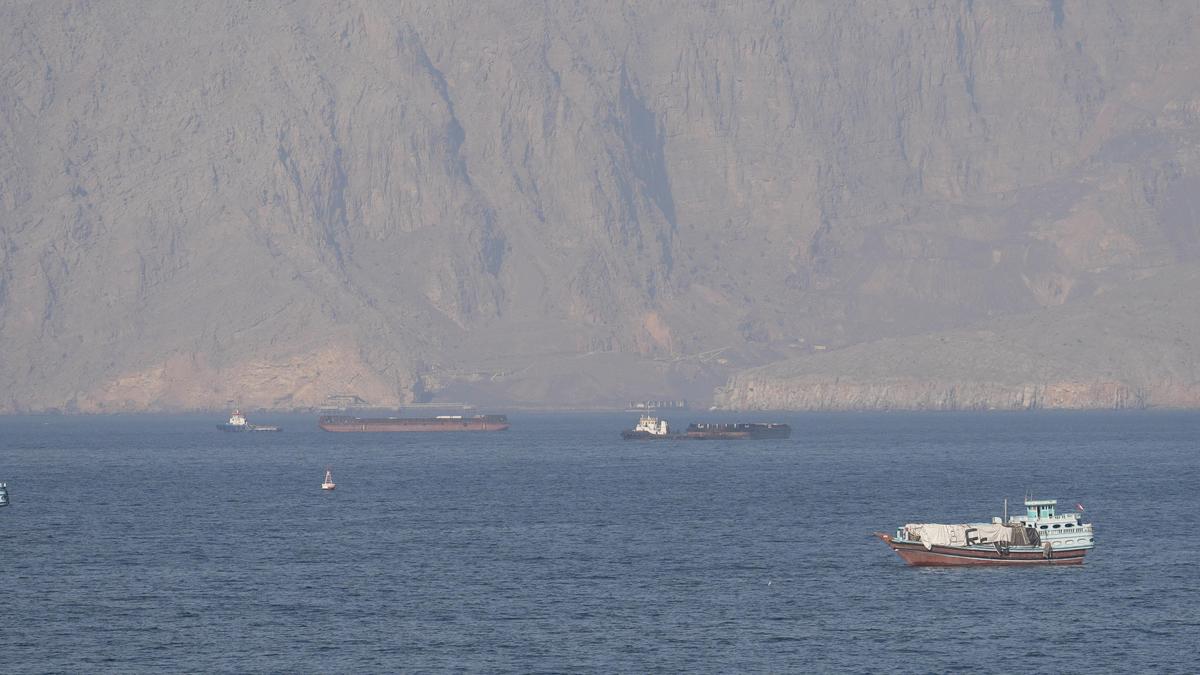
India has summoned the Iranian envoy following a firing incident in the Strait of Hormuz that forced Indian vessels to turn back, raising concerns over the security of a critical global shipping route.

AlphaScala Research Snapshot
Live stock context for companies directly referenced in this story
Alpha Score
55
Moderate

Alpha Score of 55 reflects moderate overall profile with moderate momentum, moderate value, moderate quality. Based on 3 of 4 signals — score is capped at 90 until remaining data ingests.

Alpha Score
40
Weak

Alpha Score of 40 reflects weak overall profile with strong momentum, poor value, poor quality. Based on 3 of 4 signals — score is capped at 90 until remaining data ingests.

Consumer Cyclical
Alpha Score
47
Weak

Alpha Score of 47 reflects weak overall profile with moderate momentum, poor value, moderate quality. Based on 3 of 4 signals — score is capped at 90 until remaining data ingests.

Industrials
Alpha Score
34
Poor

Alpha Score of 34 reflects weak overall profile with moderate momentum, poor value, poor quality. Based on 3 of 4 signals — score is capped at 90 until remaining data ingests.

This panel uses AlphaScala-native stock data, separate from the source wire linked above.

The summoning of Iran's envoy by Indian officials marks a sharp escalation in regional tensions following a firing incident that forced two Indian vessels to abandon their transit through the Strait of Hormuz. This maritime choke point remains a critical artery for global energy and trade flows. The forced reversal of these ships highlights the immediate physical risks to commercial logistics in a region already grappling with heightened geopolitical volatility.

Maritime Security and Trade Disruptions

The Strait of Hormuz serves as the primary gateway for oil and gas exports from the Persian Gulf. Any disruption to the freedom of navigation in this corridor creates immediate pressure on insurance premiums and shipping schedules. For India, which relies heavily on energy imports transiting through these waters, the incident represents a direct threat to supply chain stability. The diplomatic move to summon the Iranian envoy signals that New Delhi views the safety of its merchant fleet as a non-negotiable priority. This friction point forces a re-evaluation of transit security protocols for regional powers that have previously maintained neutral stances in Middle Eastern conflicts.

Sectoral Read-Throughs and Energy Logistics

Energy markets are sensitive to any news regarding the Strait of Hormuz. The incident forces a broader conversation about the vulnerability of global energy infrastructure to localized military actions. While the immediate impact is confined to the diplomatic sphere, the potential for sustained disruption could force shipping companies to reroute vessels or increase security expenditures. These costs typically filter down to energy prices and logistics overheads across the broader stock market analysis landscape.

AlphaScala data currently tracks various sectors for volatility exposure. For instance, ON stock page shows an Alpha Score of 40/100, reflecting a mixed outlook within the technology sector, while KEY stock page maintains an Alpha Score of 70/100 in the financials sector. While these firms operate in different domains, the overarching stability of global trade routes remains a foundational assumption for their operational efficiency.

  • Diplomatic friction increases the risk of formal protests or sanctions.
  • Shipping companies may face increased insurance premiums for vessels operating in the Persian Gulf.
  • Energy import costs for major consumers like India could face upward pressure if transit times increase due to security detours.

The Path Toward De-escalation

The next concrete marker for this story will be the outcome of subsequent bilateral discussions between Indian and Iranian officials. Investors should monitor whether these talks lead to a formal security guarantee for merchant vessels or if the incident results in a wider regional standoff. Any further reports of firing or the detention of vessels would likely trigger a more severe market reaction, potentially impacting energy futures and shipping stocks. The stability of this route remains a primary variable in the global economic outlook for the remainder of the quarter.

How this story was producedLast reviewed Apr 18, 2026

AI-drafted from named sources and checked against AlphaScala publishing rules before release. Direct quotes must match source text, low-information tables are removed, and thinner or higher-risk stories can be held for manual review.

Editorial Policy·Report a correction·Risk Disclaimer