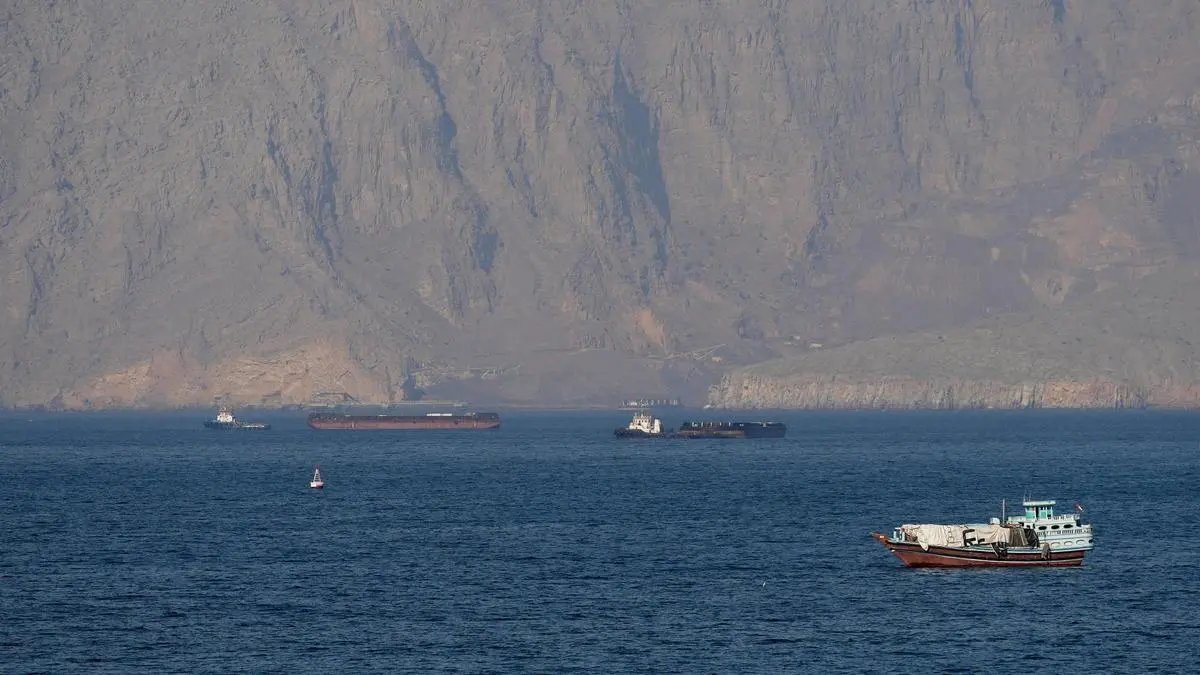
The maritime security environment in the Strait of Hormuz shifted on Saturday as Iranian forces engaged in live-fire activity, forcing a tactical retreat for a portion of the Indian-flagged tanker fleet. While one vessel successfully completed its transit, four others aborted their passage in response to the aggression. This event marks a direct escalation in the operational risks facing energy logistics providers operating within the Persian Gulf.
Operational Constraints on Energy Logistics
The decision by four tankers to turn back highlights the immediate impact of geopolitical friction on global supply chains. When transit corridors become contested, the cost of insurance premiums and the risk of vessel seizure or damage increase for all operators in the region. This incident forces a reassessment of transit schedules and safety protocols for companies relying on the Strait for the movement of crude oil and refined products.
For energy markets, the primary concern is the potential for sustained disruption to the flow of oil through this critical choke point. If vessel operators perceive the risk of fire or seizure as a permanent feature of the current transit environment, the resulting rerouting efforts will inevitably lead to increased shipping times and higher freight costs. These operational bottlenecks often ripple through the broader stock market analysis as investors weigh the impact of energy price volatility on corporate margins.
Sector Read-Through and Asset Sensitivity
The sensitivity of global shipping and energy stocks to regional instability remains elevated. While the immediate focus is on the safety of the vessels and their crews, the broader implication involves the potential for a premium to be priced into energy assets. Markets typically react to such events by scrutinizing the exposure of logistics firms and energy producers to the Middle East.
AlphaScala data currently reflects a cautious outlook on various industrial and consumer-facing sectors, with Amer Sports (AS stock page) holding an Alpha Score of 47/100 and ON Semiconductor (ON stock page) holding an Alpha Score of 40/100. These scores underscore the mixed sentiment currently present in sectors that rely on stable global trade and consistent supply chain throughput.
The Path to Normalization
The next concrete marker for this narrative is the status of future transit attempts by Indian-flagged vessels and the response from international maritime authorities. If the Iranian Revolutionary Guard Corps maintains a policy of active deterrence, the market will look for evidence of naval escorts or diplomatic interventions to restore safe passage. Any sustained reduction in tanker traffic through the Strait will serve as a primary indicator of a deepening crisis, likely prompting a shift in how energy-dependent industries manage their inventory and logistics planning.
Investors should monitor upcoming shipping logs and official government statements regarding the security of the Strait. A return to standard transit volumes would suggest a temporary de-escalation, whereas continued vessel turnarounds will confirm a structural shift in the risk profile of the region. The ability of the global energy market to absorb these disruptions depends entirely on the duration of the current standoff.