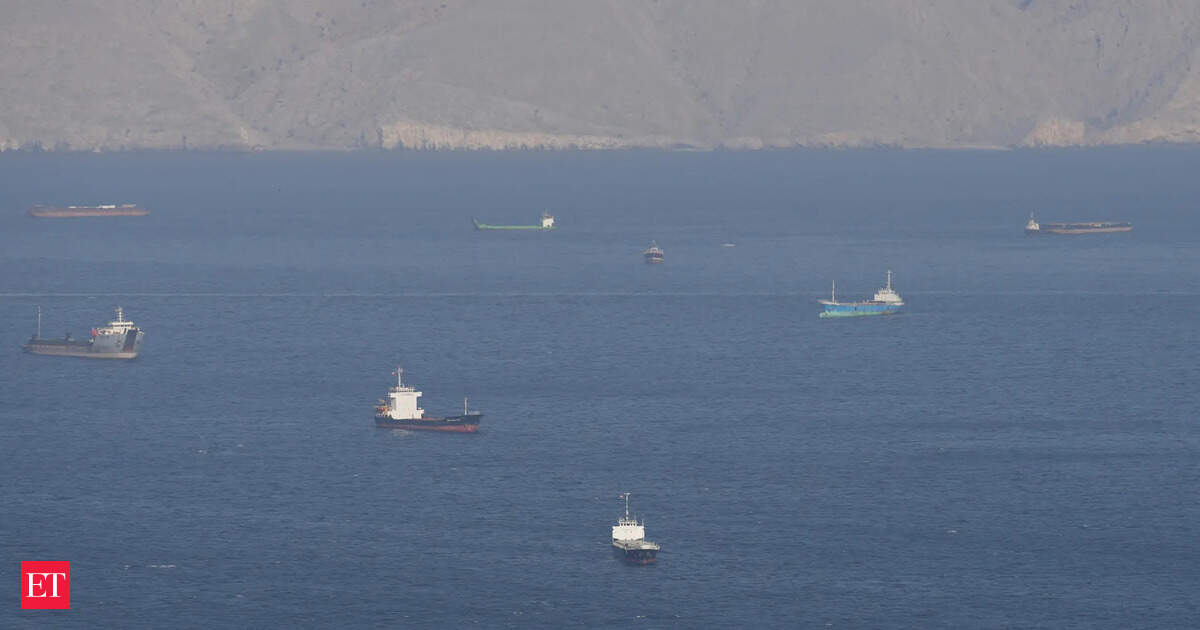
The interception of 14 India-bound vessels in the Strait of Hormuz by the Iranian Revolutionary Guard Corps marks a significant escalation in maritime security risks for global energy supply chains. By firing on two vessels and forcing 13 ships to halt or turn back, the incident has created an immediate bottleneck for crude oil, gas, and fertilizer shipments destined for South Asia. The fact that only one Indian-flagged vessel successfully navigated the transit underscores the volatility now present in one of the world's most critical maritime chokepoints.
Maritime Security and Energy Flow Constraints
The Strait of Hormuz serves as a primary artery for global energy markets, and any disruption to transit capacity directly impacts the cost and reliability of commodity delivery. The forced diversion of such a large convoy highlights the vulnerability of commercial shipping to regional geopolitical posturing. When vessels carrying essential industrial inputs like fertilizer and energy are targeted, the immediate effect is a tightening of regional supply availability. This event forces a re-evaluation of insurance premiums and transit safety protocols for all commercial fleets operating in the Persian Gulf.
Sector Read-Through and Logistics Risk
For energy and industrial sectors, the primary concern is the potential for sustained transit delays or increased operational costs associated with rerouting. The incident serves as a reminder of the fragility of maritime logistics in regions where state actors exert direct control over narrow shipping lanes. Companies reliant on consistent, just-in-time delivery of crude oil and chemical inputs face heightened exposure to these geopolitical frictions. As seen in Strait of Hormuz Transit Disruptions Signal Heightened Maritime Risk, the ability to maintain steady supply lines is becoming a core component of operational stability for global firms.
AlphaScala data currently reflects a cautious environment for broader industrial and technology sectors, with ServiceNow (NOW stock page) holding an Alpha Score of 48 and Agilent Technologies (A stock page) at 55. These scores reflect the ongoing need for companies to navigate macroeconomic and geopolitical variables that can disrupt supply chains or demand patterns without warning.
Next Operational Markers
The immediate path forward depends on whether this interception remains an isolated event or signals a shift toward persistent, active interference with commercial shipping. Market participants will monitor the status of the 13 stranded vessels and any subsequent diplomatic or naval responses from the affected nations. The next concrete marker will be the confirmation of whether these vessels are permitted to resume their transit or if they are forced to seek alternative, longer routes that would inevitably increase shipping costs and delivery timelines. Any further reports of kinetic engagement will likely trigger a sharp reassessment of risk premiums across the energy and logistics sectors.