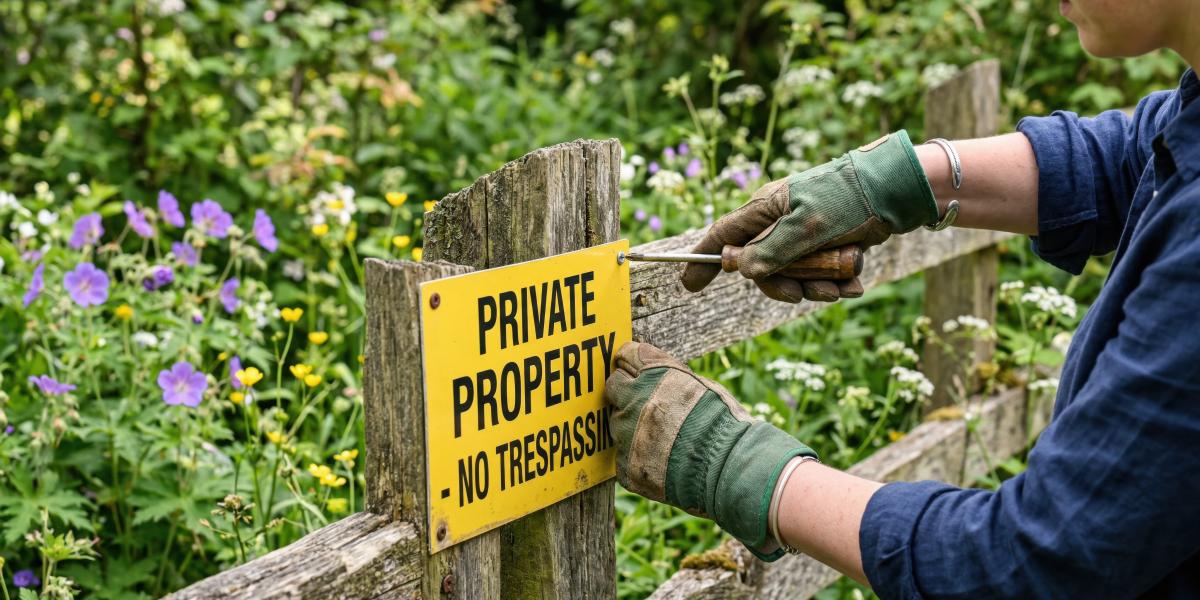
Inflation and taxation are violations of property rights, thinkers from Bastiat to Mises argued. The modern state uses its legal monopoly to seize, redistribute, and control property that does not belong to it. For investors, this creates a structural risk that is rarely priced in.
Bastiat called taxation "legal spoliation" more than a century ago. Mises noted in Human Action that every property owner is the legal successor of people who acquired ownership through arbitrary appropriation or violent spoliation. The state now continues that tradition through fiat money and progressive taxes.
Inflation works as a hidden tax. The Cantillon effect transfers wealth from savers to early recipients of new money. Most people do not recognise this as a property rights violation, the article argued. France, the Nordics, and Anglosphere countries run government programs to increase tax consent–improving voluntary compliance, trust in tax authorities, and perceived fairness.
Democracy itself contributes to the problem. Majorities vote for positive rights that hollow out private property. The "tragedy of the commons" that is representative democracy helps the state expand its reach, the source said.
What form should a defence of property rights take? The ballot box is not the answer. Instead, the state must be condemned morally: currency devaluation as counterfeiting, taxation as spoliation, regulation as violation. A new education is needed to dissolve the statist vocabulary.
Property owners should also protect themselves using parallel structures. Decentralised technologies can help evade tax. Private arbitration, smart contracts, and micro-schools reduce exposure to the state. Freedom is not a destination but a continuous process of resistance.
For market participants, the risk is that state property rights violations accelerate. Higher inflation, steeper taxes, and more regulation all eat into equity returns. Apple holds large cash reserves that are slowly devalued by inflation. Its effective tax rate could rise if governments broaden the tax base.
Traders said the political risk is underpriced. A shift in public opinion against the state's spoliation would be a positive catalyst for property-rich assets. Absent that, the long march through institutions continues.
The committee meets Thursday. No date has been set for a floor vote.