Engineered Stone Liability: Home Depot, Lowe's Face Silicosis Risk
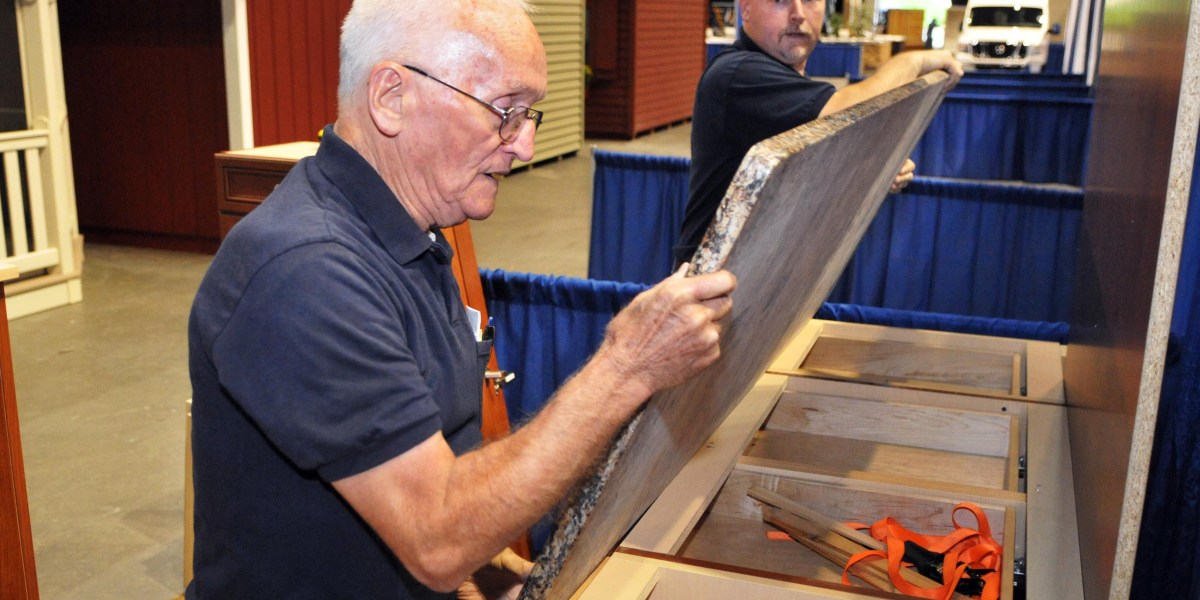
Over 550 California workers have silicosis from cutting quartz countertops. A $52M verdict and potential ban threaten Home Depot, Lowe's, Costco sales. California rulemaking looms.
Home Depot, Lowe's and Costco continue to sell engineered stone countertops even as a public health crisis spreads among the workers who cut them. In California alone, more than 550 fabrication workers have been diagnosed with silicosis from inhaling crystalline silica dust released during cutting and polishing. At least 30 have died between 2019 and 2026. Another 100 have undergone or are awaiting lung transplants.
The material, often marketed as quartz, contains up to 95% finely ground crystalline silica mixed with resins. When workers cut it, billions of tiny particles are released. The resulting disease is severe and rapidly progressive. The median age of affected workers is 46; the median age at death is 52.
Ikea stopped selling engineered stone countertops in 2025. The other three big-box retailers have not followed. That gap creates a growing liability overhang for Home Depot (HD), Lowe's and Costco, all of which contract with local fabrication shops that employ the exposed workers.
Lawsuits are mounting. In 2024, a California jury awarded $52 million to a 36-year-old worker who underwent a double lung transplant after developing silicosis. Hundreds of similar cases are pending across the U.S. The first trial verdict sets a benchmark. Manufacturers Caesarstone and Cosentino have already faced legal action in Israel and Spain. In 2023, a Spanish court gave a Cosentino executive a six-month suspended prison sentence for covering up the dangers.
Regulatory pressure is building. Australia banned the import and use of engineered stone containing more than 1% crystalline silica in 2024. California's OSHA has started emergency rulemaking to impose a similar ban. The UK issued guidance in May 2026 banning dry cutting and announced plans to inspect 1,000 fabrication shops. Federal OSHA, meanwhile, has enough inspectors to visit every workplace once every 191 years, according to the agency's own estimates.
For Home Depot, the risk is twofold. First, a California ban would force the company to shift to safer alternatives such as crushed glass countertops, which use amorphous silica and are far less toxic. That could disrupt supply chains and raise costs. Second, the liability from ongoing lawsuits could lead to settlement payments or adverse verdicts. The company's Alpha Score is 42 out of 100, a Mixed reading that reflects neutral sentiment from the proprietary model.
The countertop industry is pushing back with national legislation that would ban all lawsuits related to engineered stone, according to the report. If that bill fails, the legal exposure for retailers will only grow as more workers are diagnosed.
The next concrete catalyst is California's emergency rulemaking, which could take effect before the end of 2026. If California acts, other states with large fabrication workforces – Texas, Florida, New York – may follow. Investors in Home Depot, Lowe's and Costco should track the rulemaking docket and the pace of new silicosis diagnoses. The Australian precedent shows that a ban is enforceable and that manufacturers can pivot to safer materials. The question is whether U.S. retailers will wait for a ban or follow Ikea's lead.
Drafted by a large language model from the source reporting linked above, then screened by automated publishing checks. It is not read by a journalist before publication. Some articles cite our Alpha Score. Verify prices and figures against the original source. Educational coverage, not personalized advice.