Stocks● Neutral
Spirit Airlines Liquidation Risk and Passenger Impact
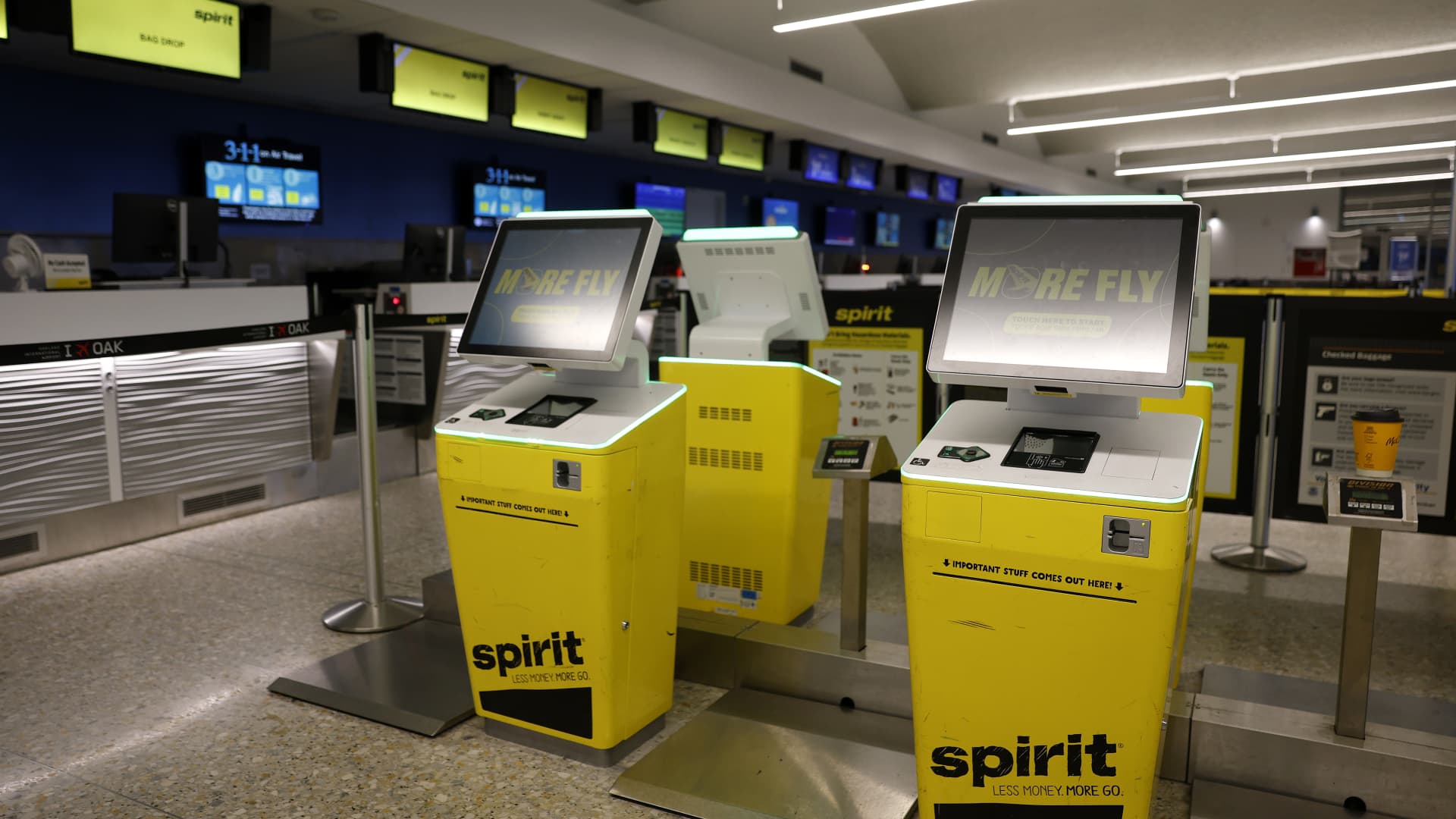
Spirit Airlines faces a potential overnight shutdown, leaving passengers without rebooking options. Learn the risks to your travel plans and ticket refunds.
Continue with
The potential for a sudden cessation of operations at Spirit Airlines has moved from a theoretical risk to a primary concern for travelers and industry observers. As the carrier navigates severe financial distress, the prospect of an overnight shutdown creates immediate uncertainty for passengers holding future bookings. Unlike standard flight cancellations, a total cessation of service would leave ticket holders without the typical rebooking options provided by interline agreements.
Operational Risks for Passengers
Travelers currently holding tickets should prepare for the possibility that the airline may cease all flight activity without advance warning. If a shutdown occurs, the primary challenge for passengers is the lack of a safety net. Most major carriers maintain interline agreements that allow them to accept passengers from other airlines during disruptions. Spirit Airlines lacks these comprehensive agreements, meaning other airlines are under no obligation to honor Spirit tickets or provide discounted rescue fares to stranded travelers.
Refunds for canceled flights remain a secondary concern. While federal regulations generally mandate refunds for cancelled flights, a bankruptcy-driven liquidation often places ticket holders in the position of unsecured creditors. Recovering funds in such a scenario typically requires filing a claim through the bankruptcy court process, which is rarely a swift or guaranteed outcome for individual consumers.