Stocks● Neutral
Spirit Airlines Collapse Labeled Self-Made by Secretary Duffy
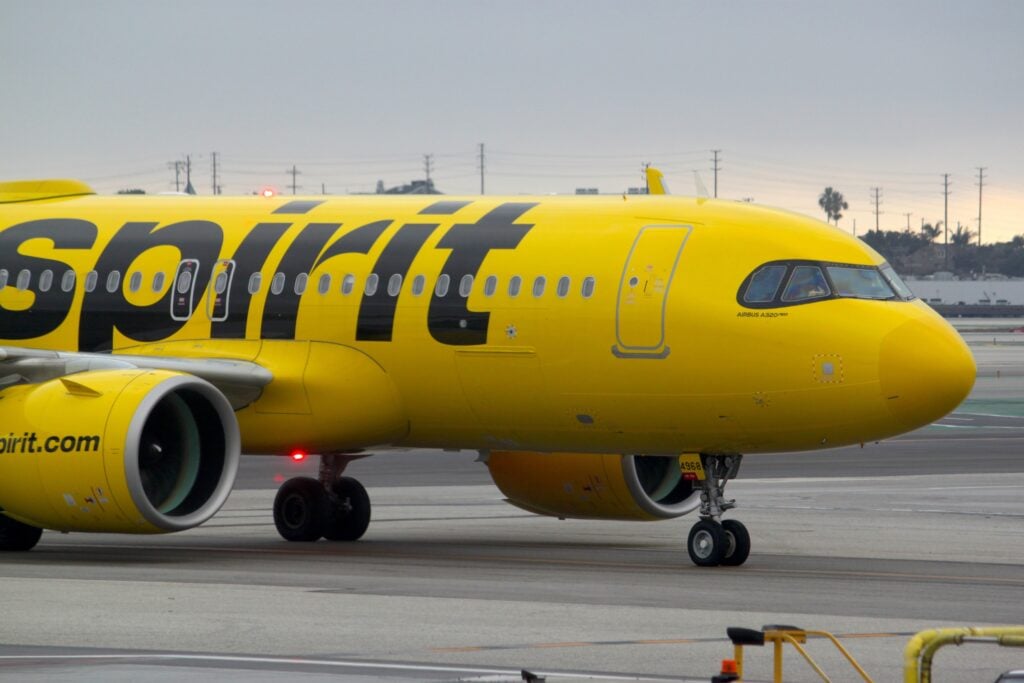
Transportation Secretary Sean Duffy rejects external blame for Spirit Airlines' collapse, citing internal failures. F holds an Alpha Score of 49/100.
Continue with
Transportation Secretary Sean Duffy has publicly attributed the collapse of Spirit Airlines to internal management failures, explicitly rejecting suggestions that geopolitical instability or the conflict with Iran served as the primary catalyst for the carrier's downfall. Speaking at a press conference in New Jersey, Duffy emphasized that the airline was already in dire financial straits well before recent international tensions escalated.
Internal Management and Financial Viability
The narrative surrounding the airline's insolvency has shifted toward operational mismanagement rather than external economic shocks. By framing the collapse as a self-made crisis, the Department of Transportation is signaling that regulatory scrutiny will remain focused on corporate governance and fiscal oversight. This stance effectively decouples the airline's specific bankruptcy from broader sector-wide volatility, suggesting that the carrier's inability to adapt its business model was the decisive factor.
For investors monitoring the stock market analysis, the distinction is critical. If the failure is viewed as company-specific, the broader airline sector may avoid the contagion effects typically associated with systemic industry shocks. The focus now shifts to how creditors and stakeholders will navigate the liquidation process without the cover of external market forces to explain the erosion of shareholder value.