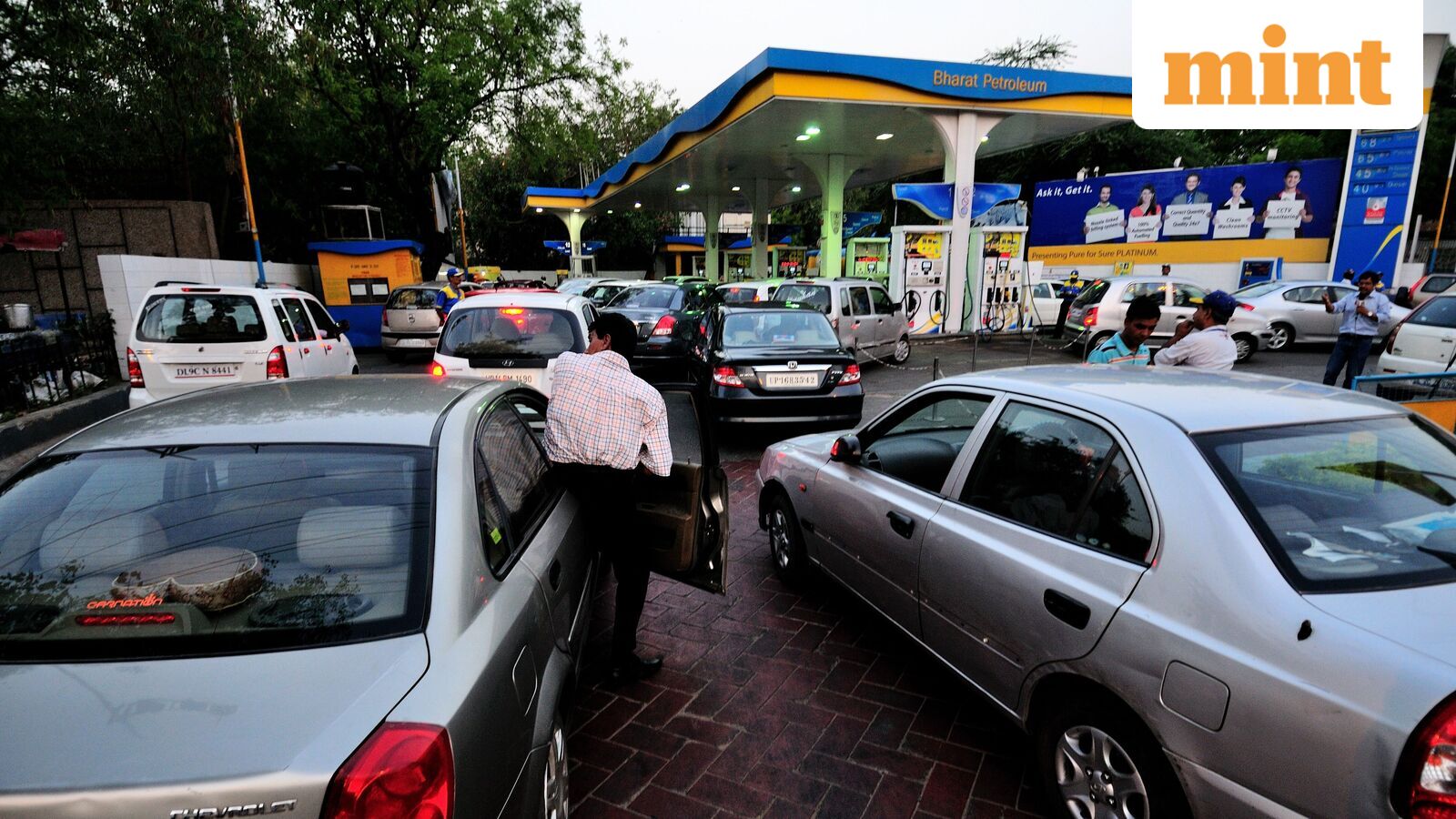
Crude oil prices have climbed above $120 per barrel, reaching a four-year high following the onset of conflict in West Asia on 28 February. This sharp ascent from the previous baseline of $73 per barrel places significant pressure on domestic fuel pricing structures and government fiscal policy.
Fiscal Pressure and Energy Policy
The government is currently managing a delicate balance between global market volatility and domestic retail stability. To mitigate the impact of elevated energy costs on the broader economy, authorities have utilized a combination of fiscal levers. These include the implementation of export duties on diesel and aviation turbine fuel, alongside adjustments to commercial LPG pricing to partially pass through international cost increases.
Conversely, excise duties on petrol and diesel remain reduced to shield ordinary consumers from the full extent of the price surge. This strategy serves as a buffer against inflationary shocks but limits the state's ability to capture revenue from high global energy prices. The reliance on export levies suggests a preference for prioritizing domestic supply security over maximizing export-led fiscal gains.
Global Supply and Market Sensitivity
The jump to $120 per barrel reflects heightened concerns regarding supply chain security and the geopolitical stability of major energy-producing regions. As crude oil remains the primary driver for downstream fuel costs, the current price environment forces a continuous reassessment of retail pump prices in major metropolitan centers like Delhi, Mumbai, Kolkata, and Bengaluru. Traders monitoring commodities analysis should note that the persistence of these price levels depends heavily on the duration of regional instability and the resulting impact on global shipping lanes.
For investors tracking broader market exposure, BARRICK MINING CORP currently holds an Alpha Score of 70/100, reflecting a moderate outlook within the basic materials sector. While energy markets remain volatile, the next critical marker for the sector will be the upcoming review of export duty structures and any further adjustments to excise tax policy. These decisions will dictate whether the current retail price stability can be maintained as global crude benchmarks continue to fluctuate.